

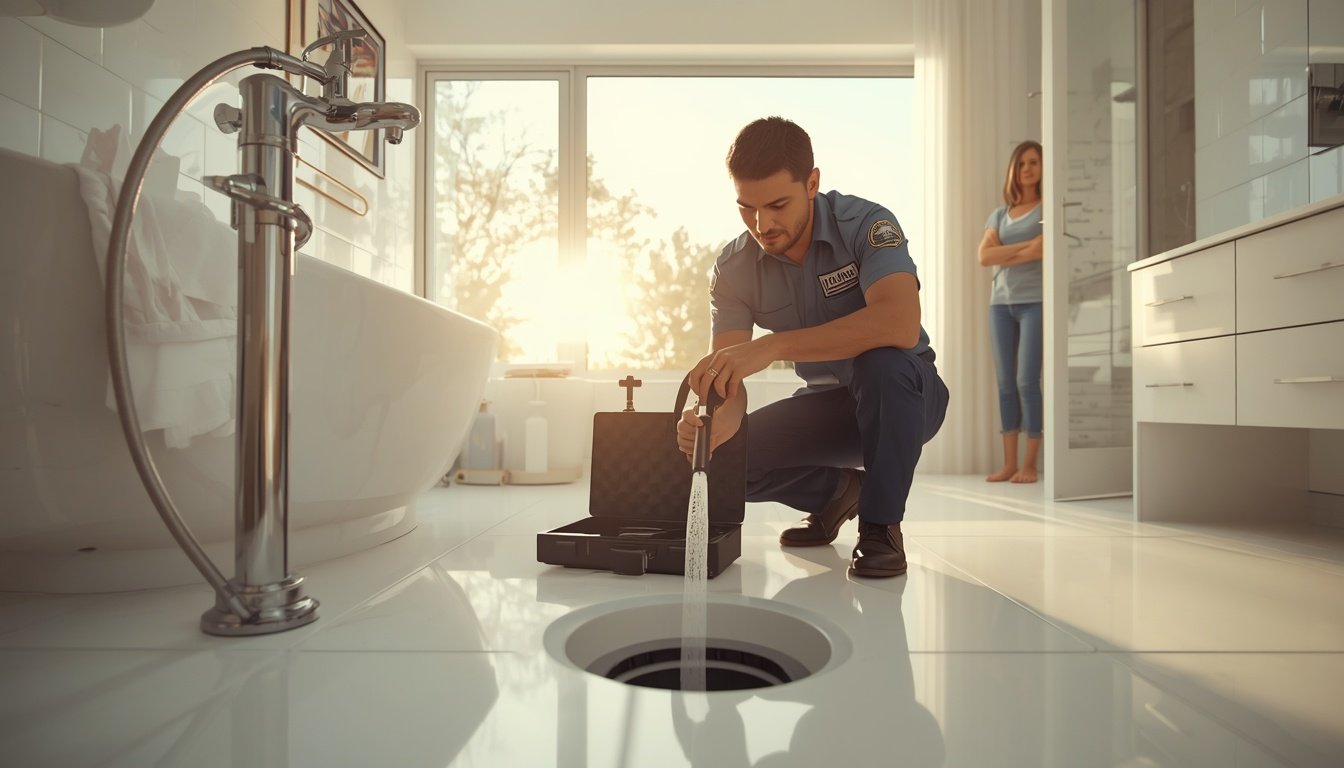
Dealing with a slow or clogged drain can be an immediate source of stress for any homeowner. The temptation to reach for a quick fix like a chemical cleaner or a basic plunger is strong, but understanding the real implications of DIY drain cleaning services can save you thousands in the long run.
Key Takeaways
- Chemical drain cleaners can severely damage your pipes, leading to costly replacements instead of simple fixes.
- Misdiagnosing the cause of a clog can worsen the problem, turning a minor issue into a major plumbing emergency.
- While some minor clogs can be tackled with specific mechanical tools, recurring or deep-seated issues always require professional diagnosis and intervention.
- Why Your DIY Drain Fix Might Be Costing You Thousands
- The Hidden Risks: Are You Misdiagnosing Your Clog?
- 3 Pro-Approved Tools for Minor Clogs (That Won’t Ruin Your Pipes)
- When to Call for Professional Drain Cleaning Services
- Preventative Maintenance: Keeping Your Drains Clear for 2025
- Conclusion
- Frequently Asked Questions About Drain Cleaning
Why Your DIY Drain Fix Might Be Costing You Thousands
Many homeowners view a slow drain as a minor annoyance, something easily remedied with a bottle of chemical cleaner from the local store. The immediate perceived savings of a DIY approach often overshadow the potential for far greater expenses down the line. What seems like a cost-effective solution can quickly escalate into an expensive pipe replacement or extensive repairs.
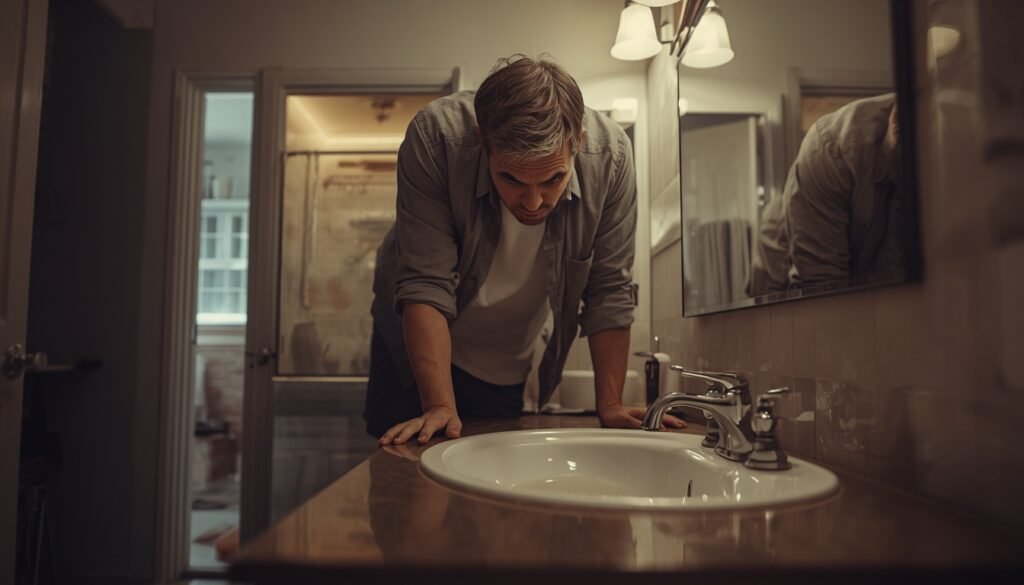
Chemical drain cleaners, while marketed as powerful clog removers, are often caustic substances designed to eat through organic matter. The problem is, they don’t stop there. These harsh chemicals react with pipe walls, thinning PVC and corroding older metal lines from the inside out. What starts as a small purchase from the hardware store can easily turn into a full pipe replacement call when your pipes become compromised. This damage is often irreversible, meaning the initial “fix” actually accelerated the need for professional, costly intervention. For safer alternatives, consider exploring guides on how to unclog a drain without chemicals.
Beyond chemical damage, manual tools used improperly can also cause significant harm. Forcing a drain snake or auger without understanding the pipe’s layout or the nature of the blockage can push the obstruction deeper, compacting it and making it harder to remove. In some cases, aggressive DIY attempts can even damage pipe joints, leading to leaks within walls or under floors.
The Hidden Risks: Are You Misdiagnosing Your Clog?
One of the most critical mistakes homeowners make is misdiagnosing the root cause of a drain issue. You might assume a slow-draining sink is just a simple hair clog, easily fixed with a quick pull. However, the problem could be far more severe, such as a deep-seated obstruction or even tree root intrusion into your sewer line. DIY attempts are limited to treating the visible symptom, leaving the true underlying cause unaddressed and allowing it to worsen over time.
For instance, a drain in an older home, particularly in areas with mature trees, might be experiencing a blockage due to tree roots growing into the sewer line. A superficial drain unclogging service won’t touch this issue, and the roots will continue to grow, eventually leading to a total system backup. Professional drain cleaning services utilize specialized diagnostic tools, like sewer inspection cameras, which can precisely identify the nature and location of a blockage. This allows plumbers to distinguish between a simple hair clog and a systemic failure, ensuring the correct solution is applied.
Misuse of plungers is another common blunder. Using a toilet plunger on a sink, employing rapid up and down strokes that splash dirty water, or failing to create a proper seal can be ineffective and unsanitary. A proper seal is crucial for generating the necessary suction to dislodge a clog. If you’re dealing with a slow draining sink fix, ensure you have the right type of plunger and a good seal.
3 Pro-Approved Tools for Minor Clogs (That Won’t Ruin Your Pipes)
While chemical drain cleaners are a definite no-go for pipe health, some minor clogs can be addressed safely by homeowners using specific mechanical tools. These are generally recommended by plumbing professionals for their effectiveness and minimal risk to your plumbing system, particularly for residential drain cleaning needs.
Here are three professional-approved tools for tackling minor clogs:
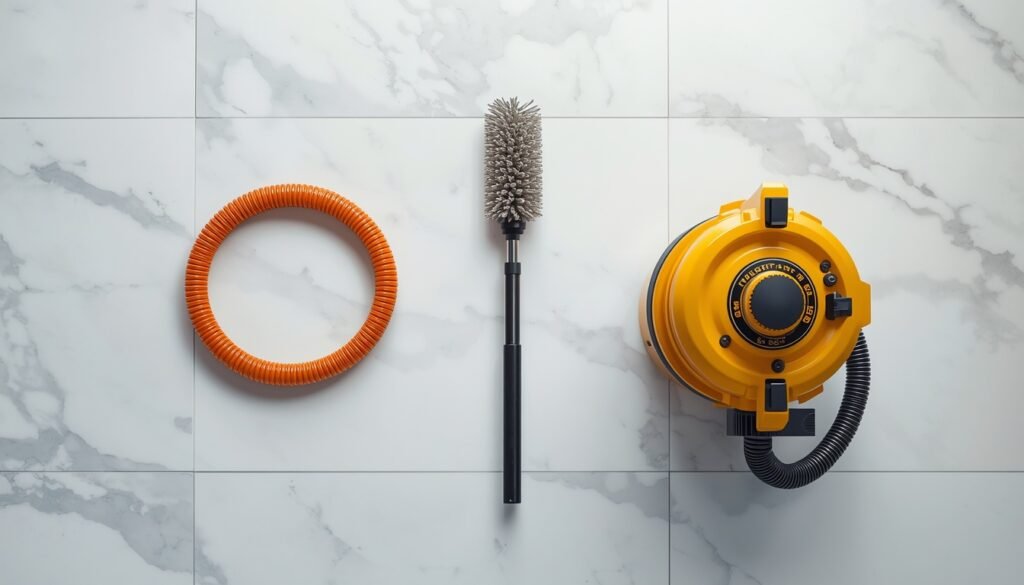
- Manual Hair-Removal “Flexi-Snake”: This specialized tool, often a ¼-inch hair-catch auger or flexi-snake, is designed to retrieve hair and minor debris from drains. It’s much safer than a harsh chemical. You can typically find these at hardware stores or online for about $12-$15. This is a much better option for a clogged shower drain hair fix than liquid solutions.
- Specialized Flexible-Bristle Drain Brush: These brushes feature flexible bristles that can spiral into your pipe and effectively pull out hair and other soft blockages. Brands like RIDGID or Cobra offer these brushes, available at major retailers for approximately $22-$28.
- Wet/Dry Shop-Vacuum with a Narrow Attachment: For loosened hair and lighter debris, a wet/dry shop-vacuum with a narrow drain-hose attachment can be remarkably effective. After a brief hot water flush to help loosen the clog, the vacuum can suction out the material. These units are generally available for around $35-$45 and can be found at various home improvement stores.
These tools provide a safer, more effective approach to professional drain cleaning for minor issues, protecting your pipes from corrosive damage and avoiding the common pitfalls of pushing blockages deeper. Remember to always use these tools carefully and avoid excessive force to prevent accidental pipe damage. You might also consider installing a silicone tub hair catcher mushroom to prevent future hair clogs.
When to Call for Professional Drain Cleaning Services
Knowing when to put down the DIY tools and call in the experts is crucial for preventing further damage and costly repairs. While a simple hair pull might resolve a superficial issue, recurring clogs, slow drains across multiple fixtures, or foul odors are clear indicators that you need professional drain cleaning services.
Professional plumbers emphasize mechanical removal methods like snaking and hydro-jetting over chemical solutions for good reason. Chemical cleaners pose significant health hazards due to their fumes and can cause long-term structural damage to your plumbing system. Instead, professional rooter service near me employs powerful, specialized equipment that can effectively clear even the most stubborn or deep-seated blockages without harming your pipes.
Here are situations where calling for professional drain cleaning services, or even a same day plumber near me, is essential:
- Recurring Clogs: If the same drain keeps clogging despite your best efforts, it suggests a deeper problem that DIY methods cannot address.
- Multiple Clogged Drains: When several drains in your home are slow or clogged simultaneously, it often points to a blockage in the main sewer line, which requires specialized equipment like a hydro jetter pressure washer attachment or professional snaking.
- Foul Odors: Persistent, unpleasant smells emanating from your drains can indicate a build-up of organic matter or even a sewer line issue.
- Gurgling Sounds: Gurgling from toilets or drains when water is running elsewhere in the house suggests air trapped in the plumbing system, often due to a significant blockage.
- Water Backing Up: Any instance of water backing up into sinks, tubs, or toilets after flushing or draining water is an emergency that demands immediate professional attention. This could indicate a sewer backup in basement.
Professional technicians have the expertise and tools, such as advanced drain snakes and hydro jetting drain cleaning equipment, to diagnose and resolve complex drain issues safely and efficiently. They can also perform a sewer camera inspection to pinpoint the exact cause of the problem, whether it’s grease buildup, foreign objects, or stubborn tree roots in drain pipe.
Preventative Maintenance: Keeping Your Drains Clear for 2025
Proactive habits are the cornerstone of a healthy plumbing system and can significantly reduce your need for emergency drain cleaning services. Investing a little time and effort now can save you substantial money and headaches in the future. Instead of relying on harsh chemicals, which can corrode pipes, focus on simple, eco-friendly practices. These preventative measures are highly effective and gentle on your plumbing, making them ideal for long-term residential drain cleaning.
The most effective and low-cost preventive measures include:
- Install Drain Screens: Simple, inexpensive drain screens are incredibly effective at catching hair, food debris, soap scum, and other foreign objects before they enter your pipes. This seemingly minor accessory can prevent the majority of common clogs. Regularly clean these screens to ensure maximum effectiveness. For bathroom sinks and showers, consider a silicone tub hair catcher mushroom.
- Regular Hot Water Flushing: Make it a habit to flush your drains with hot water regularly, especially after using the sink or shower. Hot water helps to melt and flush away grease and soap scum before it has a chance to solidify and create blockages. While not a cure for existing clogs, it’s a great preventative step.
- Avoid Pouring Grease Down Drains: Grease, oils, and fats should never be poured down your kitchen sink. As they cool, they solidify and cling to pipe walls, leading to stubborn grease clog kitchen drain issues over time. Dispose of grease in the trash instead.
- Use Enzymatic Cleaners Periodically: Unlike harsh chemical drain cleaners, enzymatic cleaners use beneficial bacteria to break down organic matter in your pipes. These are typically safe for all plumbing systems and are a good option for ongoing enzymatic drain cleaner safe for old pipes maintenance. Consider enzymatic drain cleaning sticks for sustained protection.
- Be Mindful of What Goes Down the Drain: Hair, coffee grounds, paper products (other than toilet paper), and hygiene products are common culprits for drain blockages. Dispose of these items in the trash, not down your drains.
By integrating these easy and affordable habits into your routine, you can significantly prolong the life of your plumbing system and avoid the stress and expense of emergency drain cleaning services.
Conclusion
Navigating drain issues doesn’t have to be a source of constant worry or expensive repairs. Understanding the significant risks associated with common DIY mistakes—especially the damage caused by chemical cleaners and misdiagnosing underlying problems—is the first step towards smarter home maintenance. While some minor clogs can be addressed with appropriate mechanical tools, recognizing when to call for professional drain cleaning services is paramount.
By adopting proactive preventative measures and knowing when to trust the experts, you can safeguard your plumbing system, save money, and ensure the long-term health of your home’s drains. Don’t let a slow drain turn into a costly disaster; make informed decisions for your plumbing.
Frequently Asked Questions About Drain Cleaning
Are chemical drain cleaners really that bad for my pipes?
Yes, chemical drain cleaners can be very damaging. They contain harsh chemicals that react with pipe walls, thinning PVC and corroding older metal pipes over time. This can lead to leaks, cracks, and eventually necessitate expensive pipe replacement.
How can I tell if my clog is minor or something more serious?
Minor clogs typically affect only one drain and might respond to a plunger or a simple hair-removal tool. If multiple drains are slow or backed up, you hear gurgling sounds, or experience recurring clogs, it’s likely a more serious issue like a main line blockage or tree root intrusion, which requires professional diagnosis.
What are the best non-chemical ways to prevent drain clogs?
The most effective non-chemical prevention methods include installing drain screens to catch debris, regularly flushing drains with hot water, avoiding pouring grease down the sink, and being mindful of what goes down your drains (e.g., no coffee grounds, excessive hair, or hygiene products).
When should I definitely call a professional for drain cleaning?
You should call a professional if you have recurring clogs, multiple clogged drains, foul odors coming from drains, gurgling sounds, or if water is backing up into fixtures. These are signs of deeper issues that require specialized tools and expertise.
Is there a difference between a drain snake and a professional rooter service?
Yes, a homeowner’s drain snake is typically a simple, manual tool for superficial clogs. Professional rooter services use industrial-grade motorized drain augers and often include a sewer camera inspection to accurately diagnose and clear tougher, deeper clogs, including tree roots. This ensures the root cause of the problem is addressed, not just the symptom.