
Enzymatic drain cleaner safe for old pipes is the answer many homeowners with aging plumbing are searching for—especially those with fragile cast iron, galvanized, or PVC systems that cannot withstand harsh chemicals. If you want to clear or maintain old drains safely and effectively, this guide dives deep into what works, what doesn’t, and why enzymes outshine traditional chemical cleaners for vintage pipes.
Key Takeaways
- Enzymatic drain cleaners are non-corrosive and much safer for old, fragile pipes than chemical alternatives.
- They work slower than chemicals, but provide superior preventive care and property protection with regular use.
- Proper technique and realistic expectations are crucial for maximum effectiveness and to avoid disappointment or damage.
- The Core Concept: Why Enzyme Cleaners Are Safer for Old Pipes
- Step-by-Step Guide: Using Enzymatic Drain Cleaner in Vintage Plumbing
- Advanced Analysis & Common Pitfalls
- Conclusion: Should You Switch?
- FAQ: Enzymatic Drain Cleaner Safe for Old Pipes
The Core Concept: Why Enzyme Cleaners Are Safer for Old Pipes
Most harsh drain cleaners rely on caustic chemicals that react violently with clogs, generating heat and acid or alkaline byproducts. Over time, these reactions corrode or pit metal pipes, degrade sealants and adhesives, and can even soften PVC. In contrast, enzymatic drain cleaners use living bacteria and their enzymes to slowly digest organic buildup—like hair, grease, and food scraps—without attacking the pipe material itself. Scientific analysis and plumber consensus agree: only enzymes offer long-term safety and protection for fragile, decades-old plumbing systems.
For homeowners with vintage plumbing, this is not just about performance—it’s about protecting your home’s infrastructure, avoiding leaks, and extending the life of your drains.
Enzyme-based cleaners act gently and persistently, taking 24-48 hours to break down clogs. They excel as a preventive and maintenance solution, gradually reducing the frequency and severity of blockages. A study in the Journal of Environmental Science confirms that regular enzyme usage lowers clog incidents better than reactive chemical treatments. Plus, enzymatic formulas are non-toxic, biodegradable, and safe for septic systems. For further reading on related plumbing strategies and eco-friendly options for your home, check out our Complete Home Guide to Drain Fix Products, Lawn Care & Pet Essentials.
Step-by-Step Guide: Using Enzymatic Drain Cleaner in Vintage Plumbing
To get the most out of enzymatic drain cleaner, especially if your pipes are pre-1970 or you deal with frequent hair clogs, follow these clear steps for optimal results with minimal risk to your pipework.
- 1. Prep the Drain: Remove as much standing water as possible. If possible, fish out any obvious debris (hair/biofilm) with a drain snake or simple DIY tool.
- 2. Warm the Pipes: Run hot (not boiling) water for 1-2 minutes to bring pipe and clog temperature up—critical for enzyme activity in vintage pipes.
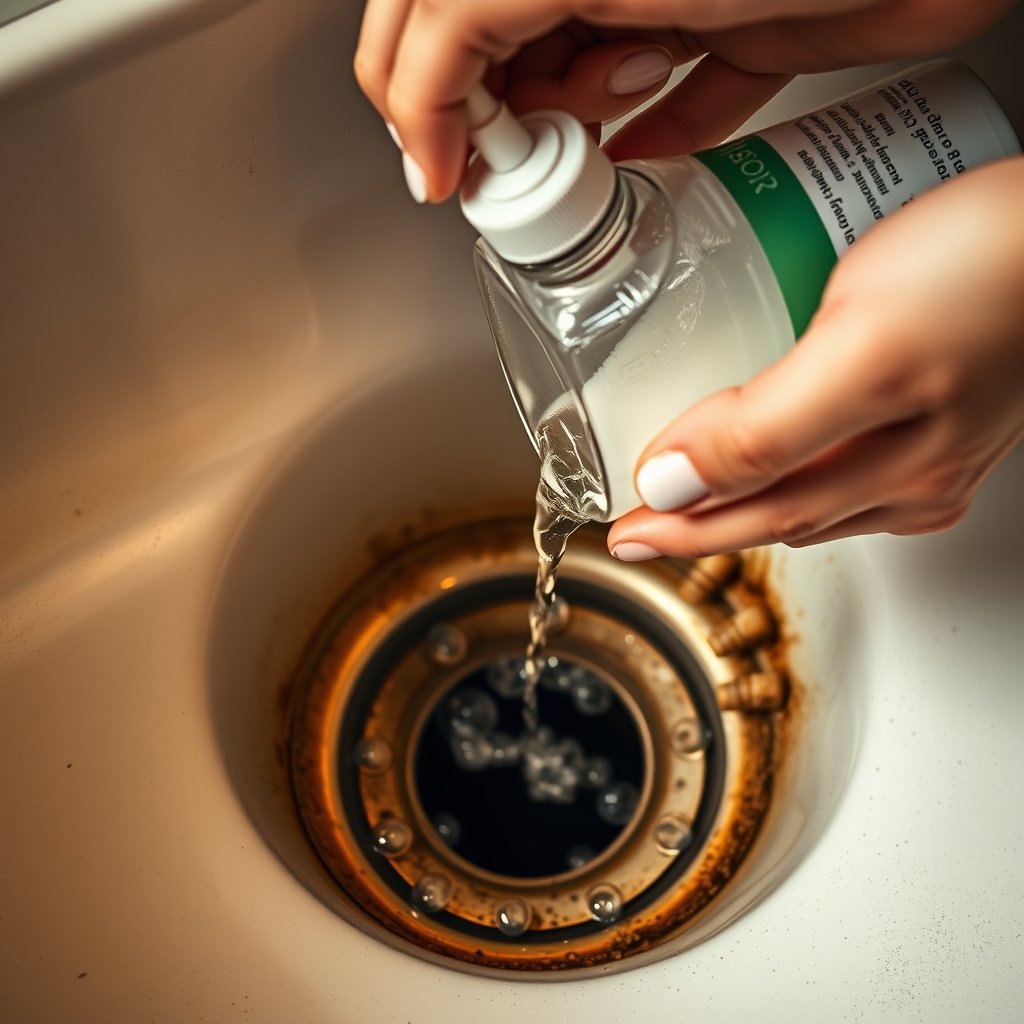
- 3. Dose Accurately: Pour the manufacturer-recommended amount of enzymatic cleaner slowly into the drain.
- For most products, this is 4-8 ounces for maintenance or 8-16 ounces for active clogs.
- 4. Let Stand: Allow the solution to work undisturbed for at least 8-12 hours (overnight), up to 48 hours for challenging blockages.
- 5. Rinse with Warm Water: Flush the drain with warm (not boiling) water for 3-5 minutes.
- 6. Evaluate and Repeat: Test drain flow. If slow, you may need a second application for deeply set organic clogs—most effective with weekly or biweekly maintenance.
- 7. Maintain: For ongoing prevention and buildup reduction, apply a maintenance dose weekly, especially for older systems susceptible to hair or grease accumulation. See our Essential Guide: Clogged Drain Fixes Every Homeowner Should Know for additional preventive strategies.
Keep in mind, enzymatic cleaners are safest for metal-based systems and septic setups alike—unlike caustic chemicals, which can destroy both. If your home needs fast, same-day relief from severe blockages (especially those caused by foreign objects or mineral deposits), browse our practical tips in Quick Fixes For Stubborn Bathroom Clogs for alternative emergency solutions.
For eco-conscious consumers, enzymatic cleaners are generally more expensive per bottle (ranging $12-25 for a 32-64 oz. container) than their chemical counterparts, but regular use preserves old pipes and reduces the risk of catastrophic leaks or costly plumber visits. They also have shelf lives of about 1-2 years when stored cool and sealed. Treatment frequency should be once weekly or after heavy drain use for best maintenance outcomes (source).
Advanced Analysis & Common Pitfalls
Even the safest enzymatic formulation is not perfect—knowing the limitations will help homeowners avoid wasted effort and disappointment, especially in older systems.
| Factor | Enzymatic Drain Cleaners | Chemical Drain Cleaners |
|---|---|---|
| Action Speed | Slow (24-48 hours); best for regular use and prevention | Fast (15-30 minutes); only masks symptoms, not cause |
| Compatibility with Old Pipes | Safe for all metals and PVC—no heat, no corrosive reactions | Corrodes metal, pits seals, softens PVC; high leak risk |
| Best Use Cases | Organic buildup (hair, grease), prevention, septic-safe | Emergency fixes for severe clogs, especially in modern drains |
| Key Limitations/Risks |
|
|
Major competitor articles often ignore three key pain points:
- Inorganic clogs: Enzymatic cleaners only work on organic buildup—if a toy, jewelry, or dense biofilm is stuck, these formulas do nothing. See what to do instead in this homeowner plumbing tips guide.
- Water temperature and chemistry: Bacteria are sluggish below 60°F. High-pH water, disinfectants, or recent bleach pours can kill enzymes on contact, rendering them useless.
- Required patience: Expect overnight or multi-day action, not instant results. Frustration from slow progress is common—enzymatic cleaners are a marathon, not a sprint.
Popular eco enzyme brands (like Earthworm) tout non-toxicity, biodegradable formulas, and septic compatibility, but no strict US or European certifications are required. Look for EPA Safer Choice, EU Ecolabel, or similar voluntary eco-labels if you want verified standards (source).
For guidance on safe, eco-friendly fertilizer options to pair with green household maintenance, explore modern organic fertilizer solutions for plant growth.
Conclusion: Should You Switch?
For homeowners with vintage plumbing, the benefits of switching to an enzymatic drain cleaner safe for old pipes are clear—no corrosion, no risk to septics, and real maintenance value for organic clogs. Patience is essential; regular weekly use is your best defense. For emergencies, supplement enzyme regimens with proven DIY or professional fixes as needed. Ready to extend the life of your old pipes—while protecting your family, home, and environment? Start your enzyme program today, and revisit our Complete Home Guide for the best supporting products and strategies.
FAQ: Enzymatic Drain Cleaner Safe for Old Pipes
Do enzymatic drain cleaners work on all types of clogs?
No. They are effective against organic matter like hair, grease, and food residue but do not dissolve plastics, metals, or glass. For severe or non-organic blockages, try physical removal or see this guide to stubborn bathroom clogs.
Are enzymatic drain cleaners really safe for cast iron and vintage plumbing?
Yes. Because they do not generate heat or acidic/alkaline reactions, they are non-corrosive and do not weaken metal, copper, steel, or PVC pipes—even after regular use. This is a major contrast with chemical drain openers.
How long does it take for enzymatic drain cleaners to work?
For preventive maintenance, they start working within hours but need 24-48 hours for clogs. For severe or deep-seated blockages, several treatments may be necessary, and results are not instant.
Should I use hot or cold water with enzymatic cleaner?
Warm (not boiling) water is ideal. Cold water can slow bacterial and enzyme activity, reducing cleaning power, while boiling water may damage aged pipes.
How often should I use enzymatic drain cleaners for prevention?
For best results, use a maintenance dose once every week, or immediately after heavy drain use. Consistency is key for keeping old pipes healthy.