
### Blog Post:
Hydro jetter pressure washer attachment is changing the way homeowners tackle stubborn drain clogs and maintenance in 2024. For anyone curious about effective DIY drain cleaning, this tool promises professional-level results—when used correctly. But before you try it, it’s important to know what actually works, what doesn’t, and where the most common mistakes happen. This guide tells you the hard truths, mistakes, and proven methods for using a hydro jetter pressure washer attachment with real-world advice for homeowners.
Key Takeaways
- Most residential pressure washers can power a hydro jetter attachment, but technical details and proper technique are crucial for success and safety.
- DIY main line cleaning carries real risk of damage or injury—know your limits and when professionals are the better choice.
- Statistical and product data on hydro jetter attachments is limited; real-world experience, caution, and tried-and-true tips matter most.
- Understanding the Hydro Jetter Pressure Washer Attachment
- DIY Guide: How to Use a Hydro Jetter Pressure Washer Attachment
- Advanced Analysis & Common Pitfalls
- Conclusion
- FAQ
Understanding the Hydro Jetter Pressure Washer Attachment
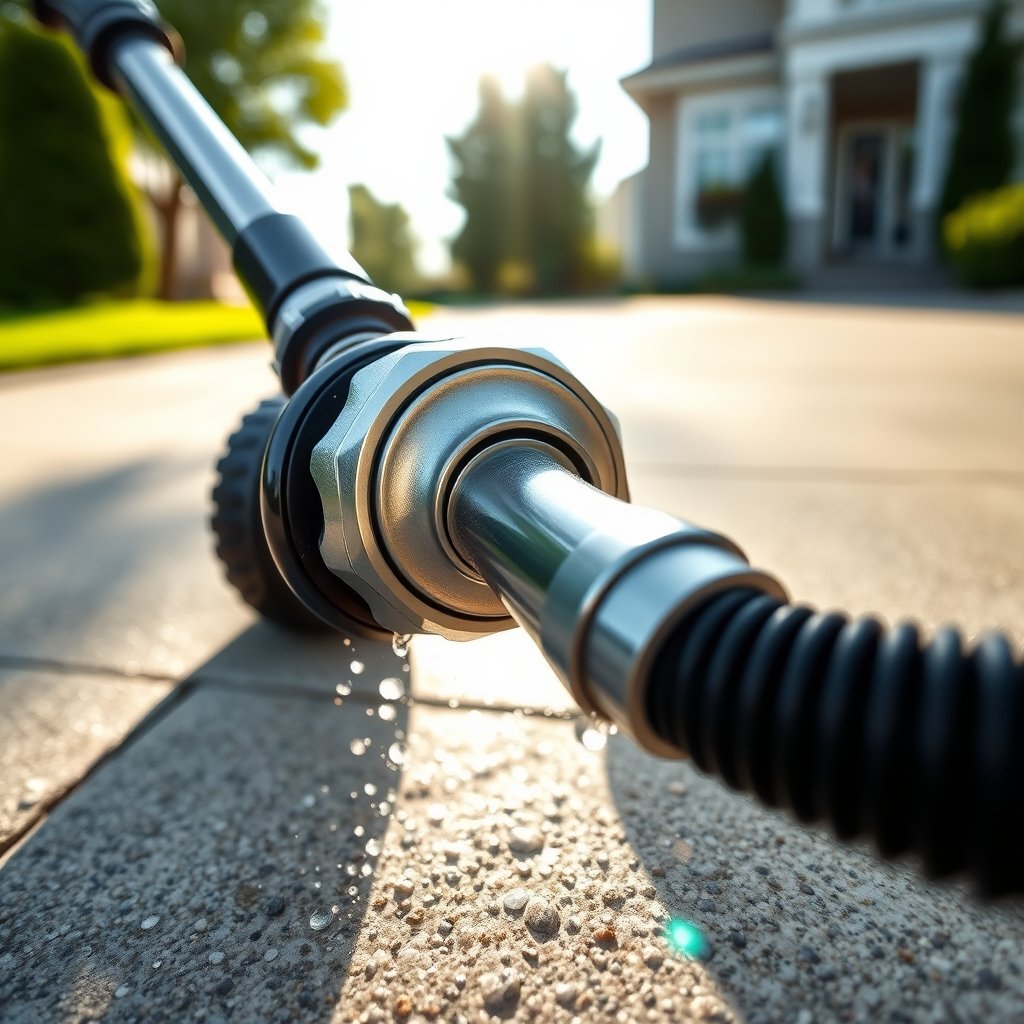
A hydro jetter pressure washer attachment is a simple add-on that lets you use your existing pressure washer to clear out tough drain and sewer clogs with highly pressurized water. Here’s how it works: the attachment consists of a flexible yet durable hose and a special jetting nozzle that channels your pressure washer’s water flow into multiple backward-facing jets. These jets blast debris loose, scouring pipe walls clean as the hose snakes deeper into buildup and gunk.
Homeowners are turning to this method because hiring a plumber for main line cleaning can easily cost hundreds of dollars. With the rise of detailed DIY guides and widely available pressure washer attachments, it’s no surprise main line hydro jetting at home is on the rise—even if solid adoption statistics are still sparse.[Source]
But using one isn’t without risk. You’ll need sufficient water pressure, the right hoses, and safety know-how. Professionals tend to use high-end dedicated machines—consumer tools can work for smaller jobs, but there are limits. A DIY approach may make sense for experienced homeowners, but proceed with caution.
DIY Guide: How to Use a Hydro Jetter Pressure Washer Attachment
Below is a practical step-by-step process for safely attempting main line cleaning with a hydro jetter pressure washer attachment. Carefully consider your system before beginning:
- Gather the Right Gear
- Pressure washer (gas or electric; ideally at least 1,700–3,000 PSI and 1.5–2.5 GPM for best results)
- Hydro jetter attachment kit (drain hose, nozzle)
- eye protection, gloves, and waterproof clothing
- Drain cleanout access (preferably outdoors)
- Connect the Attachment
- Attach the drain cleaning hose and appropriate nozzle to your pressure washer’s spray wand.
- Check all connections for a secure fit to avoid leaks or bursts.
- Verify the Setup
- Make sure the hose is clear and uncoiled. Feed the first several feet gently into the drain cleanout. Never force it—a kinked hose can burst.
- Start the Jetting Process
- Turn on the water supply, activate the pressure washer, and slowly feed the jetting hose down the pipe. The rear jets will pull the hose forward and break up debris.
- Work in stages: advance a few feet, then retract several times to help flush loosened matter out. Periodically check for resistance.
- Withdraw and Rinse
- Once resistance subsides or water flows freely, slowly retract the hose, keeping water running to clear residual debris.
- Remove and clean the nozzle and hose after use, then test the drain for proper flow.
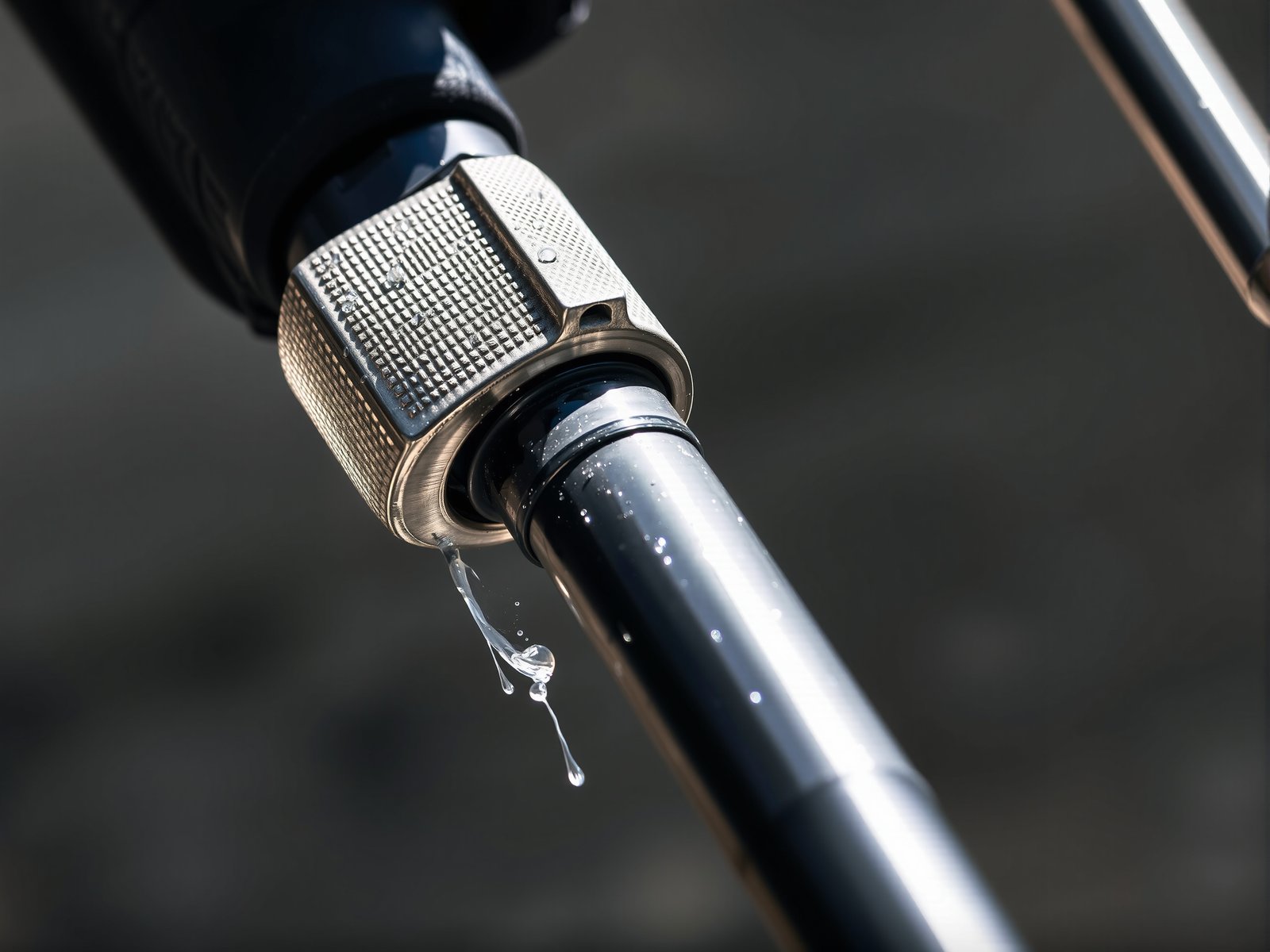
Tech Specs to Know: Most consumer pressure washers fall between 1,500 and 3,000 PSI. Many leading jetter hoses run 50 to 100 feet long and feature a rotating or fixed rear jet nozzle—both can work for many home main lines, but check your specific plumbing configuration. There is no universal standard, so always match specs to your equipment. For additional drain maintenance options, see this complete home guide to drain fix products.
Not confident tackling a main line? A drill powered drain auger can be safer for moderate clogs, while enzyme cleaners are ideal for routine maintenance in old pipes.
Advanced Analysis & Common Pitfalls
Despite excellent marketing, hydro jetter pressure washer attachments are not a one-size-fits-all fix. Here are the cold facts and potential downfalls homeowners should know:
- Lack of Statistical Data: Major market analysis reports—including Strategic Market Research and Grand View Research—show rising interest in pressure washers, but there are no homeowner-specific case studies or published results on hydro jetter attachment success rates.
- Technical Limits: Consumer machines may lack the pressure needed for major blockages (true main line obstructions may demand 3,000 PSI and up, which not all consumer washers reach).
- Risk of Backup, Flooding, or Injury: Incorrect setup or attempting to jet a main line from indoors can quickly lead to wastewater backup inside your house, or damage fragile older pipes. Water sprays at these pressures can cause injury—always wear safety gear.
- No Product Recalls or New Safety Standards for 2024: As of now, there are no official recalls or regulatory changes—meaning you bear all risk when attempting DIY main line cleaning.
- Incomplete Clog Removal: If you encounter tree roots, collapsed pipes, or large objects, jetting may be ineffective and can even worsen the blockage. Chemical-free methods can’t dissolve solid obstructions or correct structural pipe damage.
| DIY Hydro Jetter Kit | Professional Drain Cleaning |
|---|---|
| $60–$200 upfront (kit only), plus cost of compatible pressure washer | $350–$800 per service, depending on severity and location |
| Requires careful setup, risk of incomplete results or pipe damage | Expert handling, high-end equipment, lower risk of damage or backup |
| Ongoing cost: safety gear, possible hose/nozzle replacement. No labor charge if self-performed. | No equipment expense for homeowner; full liability on professional |
| No injury/damage protection or post-job warranty | Typically insured and warrantied; licensed professionals available |
Still, if you’re facing a stubborn clog in bathrooms or showers, you might be better off trying quick fixes with proven solutions, such as these quick fixes for stubborn bathroom clogs or hair-dissolving gel methods
Conclusion
A hydro jetter pressure washer attachment is an affordable, versatile tool for clearing out moderate drains, but it isn’t a replacement for skill or professional equipment. Lacking industry-wide results and with no official standards for PSI, hose, and nozzle combinations in residential main lines, homeowners need to approach DIY jetting cautiously. For many, a hydro jetter pressure washer attachment may be ideal for routine upkeep—but when in doubt, always call a licensed expert. Don’t take safety or plumbing integrity for granted.
Ready to try a jetter? Start with secondary lines or moderate clogs, follow all safety tips, and upgrade to professional help if you’re unsure. Research and choose your hydro jetter pressure washer attachment carefully to improve your drain cleaning results at home.
FAQ
Can a hydro jetter pressure washer attachment clear tree roots from sewer lines?
No. Consumer-grade hydro jetter attachments may clear soft blockages and buildup but will not cut or dissolve tree roots. If you suspect roots, hire a professional with specialized root-cutting tools.
What pressure washer specs are necessary for a typical home main line?
A pressure washer producing at least 1,700–3,000 PSI and 1.5–2.5 GPM is recommended for most residential drain jetting attachments. Lower-powered electric units may only be effective on minor drain clogs.
Are there risks of damaging pipes with a hydro jetter attachment?
Yes. Using too much pressure, the wrong nozzle, or jetting in fragile or old pipes can cause leaks or bursts. Always test on a known-clear drain first, start with the lowest effective pressure, and never jet through interior fixtures.
How do costs compare to hiring a plumber?
Upfront kit costs range $60–$200 (plus pressure washer). A single professional main line jetting visit usually costs $350–$800, but delivers guaranteed clearing and professional liability if anything goes wrong.
What maintenance does the jetter kit require?
Routinely rinse and dry hoses and nozzles after each use to prevent clogging or rust. Inspect for hose wear and nozzle obstruction before every use.