

Slow draining sink fix is something every homeowner will face eventually. If water pools in your bathroom or kitchen sink, acting early with the right steps can save hours of frustration, money, and prevent bigger plumbing headaches.
Key Takeaways
- Diagnose slow draining sinks with a quick scan for hair, grease, or soap scum before rushing for harsh chemicals or calling a plumber.
- Enzyme-based cleaners and controlled water-jet (mini-hydro-jet) techniques are safe, effective, but often overlooked solutions for early-stage clogs.
- Use the exact right tools, follow clear steps, and know when a simple fix is no longer DIY—avoid common mistakes that can damage your pipes or wallet.
Table of Contents
Why is my sink draining slowly? Quick causes and what to check first
Slow draining sinks happen for a handful of reasons, but the majority break down to hair, grease, soap scum, or debris collecting in the drain trap or pipes. In 2024, surveys found 45% of all slow draining sinks were traced to hair clogs, with the remaining 55% coming from grease, soap, or other organic film. The good news: most slow drains can be diagnosed in three minutes with these quick checks:
- Stopper test: Remove the sink stopper or pop-up. Look for hair, gunk, or soap scum matted around the stem.
- P-trap glance: Shine a flashlight under the sink. Is the P-trap pipe (u-shaped) easy to unscrew, or glued/corroded?
- Single vs multiple problem points: Only the bathroom sink slow? Kitchen sink drains slowly? Or do several fixtures slow at once? If more than one, suspect a mainline or vent issue.
- Odor check: Smells like rotten food or sewage? That’s grease or a deeper clog, not just hair.
- Water pooling location: A pool immediately at the drain signals a local clog, while slow draining with loud gurgling might mean a blocked vent or further-down problem.
Source: Dalmatian Plumbing | Drain Strain
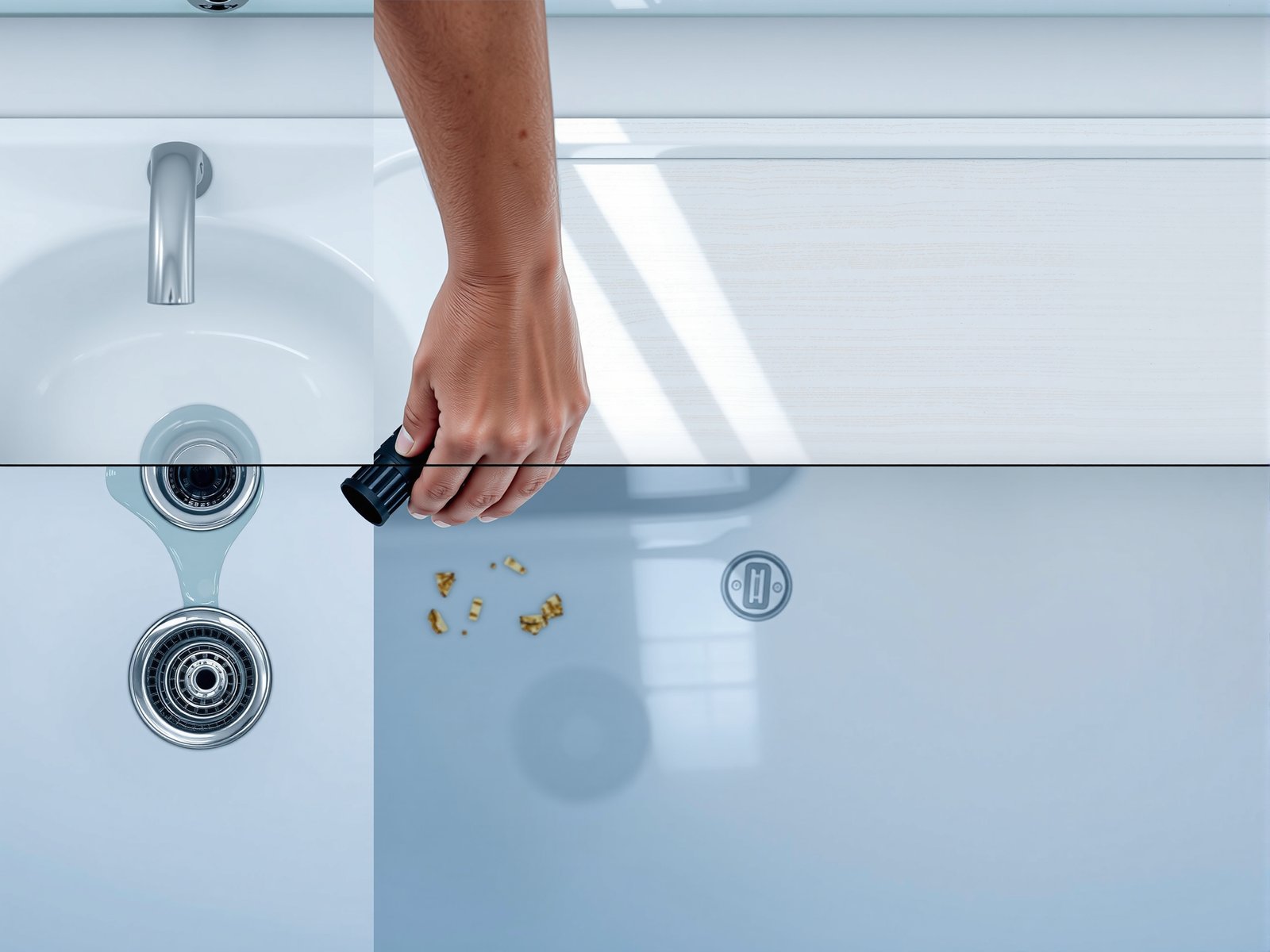
Bathroom vs kitchen — how causes differ and why it matters for the fix
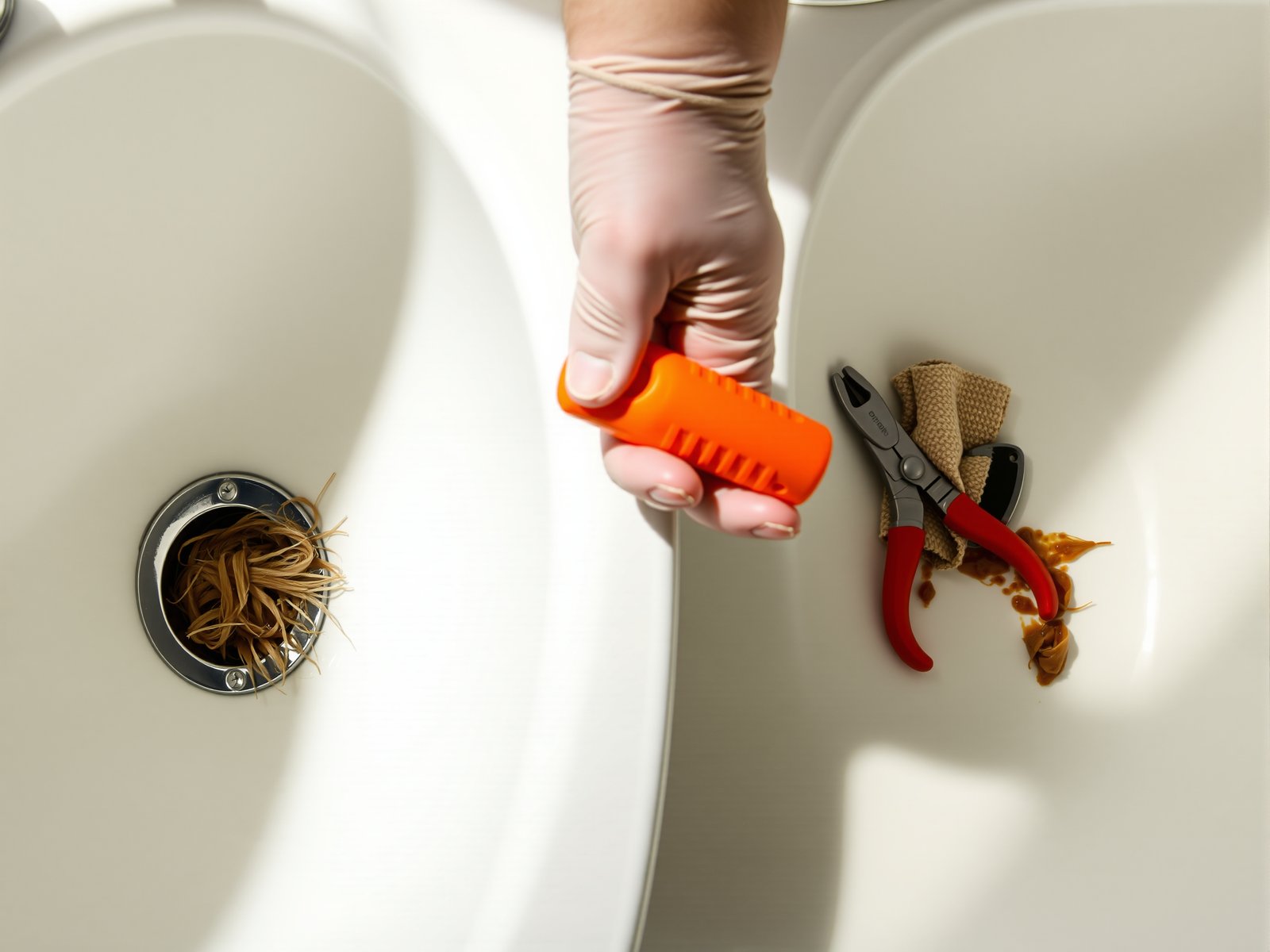
Not all clogs are created equal. Bathroom sinks almost always slow down from hair and soap scum compacting close to the drain or stopper—about 60% to 70% hair and 30% soap, according to recent stats. In kitchen sinks, the main enemy is grease and food residue, making up 70% to 80% of clogs. Grease coats the pipe walls, hardening into a sticky lining that traps food particles and everything else. Hair matters less here, only about 20% of kitchen sink clog sources. Each problem requires different tools and fix strategies.
- Bathroom clogs: Target near-surface hair and soap with a barbed plastic snake, Zip-It tool, or pop-up removal. Enzyme treatments and hot (not boiling) water flushes prevent buildup, but avoid harsh chemicals that damage chrome finishes or PVC.
- Kitchen clogs: Hot water flushes (about 140°F; don’t use boiling water on plastic/PVC), enzyme drain cleaners, and if needed, a mini hydro-jet or snake are effective. Never pour oil or grease down the sink.
Source: Select Plumbing & Gas | ArtFix Plumbing
Want more on these approaches? See Quick Fixes For Stubborn Bathroom Clogs and Industrial Grease Dissolver For Kitchen Sink.
Early diagnostics: How to identify the culprit in 5 quick checks
- Visual: Is hair visible tangled in the stopper? Clear it first.
- Sensory: Smells bad (rotten/food)? Grease or organic buildup is likely. A musty or sewer odor suggests a deeper blockage or venting problem.
- Function: Water drains but with a slow swirl? Partial clog; test with hot water.
- Multi-fixture: If several fixtures (sink, tub, toilet) slow at once, main vent or sewer may be clogged—DIY rarely works here; call a pro.
- Gurgling or bubbling: Drain gurgles loudly after water goes through? Venting issue or large clog further down the line.
Addressing a slow draining sink early prevents escalation. If hair or debris is visible at the top, a hand snake or Zip-It tool is safest—a hand auger works well for most sinks up to 25 feet. If greasy or the slow draining is gradual with no visible debris, a hot water and enzyme cleaner approach is best. For multi-fixture or strongly foul odors, consult a plumber.
Reference: Friends Plumbing | Plastic Barbed Drain Snake Tool: 7 Best Ways to Unclog Drains
First-aid DIY fixes (what to try immediately and what to avoid)
Act quickly but safely when you suspect a partial clog. Here’s how:
- Remove the stopper: Twist and lift or unscrew depending on your sink model. Clean thoroughly, wearing gloves.
- Use a Zip-It, plastic barbed snake, or 1/4″ hand auger: Insert into the drain; twist and pull out hair or debris. Go slow to avoid scratching pipes.
- Flush with hot (not boiling) water: Bring water to about 140°F. Pour steadily, never use boiling water on plastic or PVC as it can warp and cause leaks.
- Plunge with care: Block the overflow hole with a wet rag. Use a cup-style plunger (4-6″ diameter head fits most sink drains). Add water for a better seal. Plunge 10-15 times firmly but gently.
- Enzyme cleaners or baking soda/vinegar: Pour 1/2 cup baking soda, followed by 1 cup vinegar. Wait 15 minutes. Flush with hot water. enzyme cleaners (see below) are safer for pipes.
- Avoid: Never mix different chemical drain cleaners together, and avoid boiling water for plastic pipes. Don’t force a snake past hard resistance—it may kink or rupture old pipes.
See more details in Baking Soda Vinegar Hot Water Drain Hack and Clogged Drain Fixes Every Homeowner Should Know Today.
Enzyme-based bio-cleaners — a low-damage option most guides miss
Many guides skip enzyme-based drain cleaners, but these products use natural bacteria to digest organic clogs safely. They excel at dissolving soap, hair, and grease, especially in slow-draining kitchen sinks, and are one of the only slow sink drain home remedy options safe for all pipes—including older PVC and septic-safe systems.
- Apply enzyme cleaner before bed (follow product instructions). Don’t run water until morning.
- Use monthly for preventive maintenance, especially if your kitchen sink drains slowly often.
- Cost: About $10–$15 for a bottle or $7/month for enzyme sticks that drop directly into the drain.
- Do not combine with chemical drain openers—this kills the enzymes and reduces effectiveness.
Missing in most articles: enzyme cleaners prevent repeat clogs, and they’re non-corrosive. For details, visit Enzyme Drain Cleaner: The 5-Step Proven Guide That Actually Fixes It and Enzymatic Drain Cleaning Sticks: 7 Amazing Ways to Prevent Clogs.
DIY mini-hydro-jet (pressure-controlled water-jet) — safe technique and limits
Professional hydro-jetting can cost hundreds, but a mini-hydro-jet method is possible with common homeowner tools. Attach a garden hose w/jet nozzle or faucet-to-hose adapter to the faucet, and use a special jet nozzle (look for 10–25 psi models designed for sink drains). Insert carefully into the drain (after removing the trap if possible) and flush with short bursts. This safely dislodges soft grease or soap buildup farther down but won’t damage pipes if kept below 25 psi. Never use this on old, fragile, or corroded pipes, and always use a bucket to catch backflow. See Hydro Jetter Pressure Washer Attachment: 7 Amazing Proven Ways to Unclog Drains.
Quick-release P-trap cleaning (how to clear the trap fast without full disassembly)
Most modern sink traps are hand-tight, removable with a large slip-joint pliers (Channel Lock or 1.5″ adjustable wrench). Place a bucket beneath, unscrew plastic nuts, and clear hair/grease gunk with a bottle brush. Quick-release P-trap tools (or adapters) let you remove debris with minimal mess and no need for full removal. If your trap is glued/corroded: try clearing above, or consult a pro.
Learn troubleshooting methods for specific fixtures in Top Drain Fix Products, Lawn Care & Pet Essentials — Your Complete Home Guide.
Exact tools, parts, and sizes — no vague guidance
- Plastic barbed drain snake: 20-inch is standard, fits most sink drains; under $5–10 for a multi-pack.
- Hand snake/auger: 1/4″ or 3/8″ diameter up to 25 feet is ideal for most clogs inside home pipe systems.
- Adjustable wrench: 10-inch fits most sink trap nuts (1.5″–2″ diameter). For metal traps, a 1.5″ or 1.25″ slip-joint pliers works for tight spaces.
- Mini hydro-jet nozzle: Choose a 10–25 psi nozzle with a backflow prevention valve.
- Personal protective equipment: Heavy-duty rubber gloves, eye protection (splashes happen), and a catch bucket for trap removal.
- Enzyme cleaner: Look for bio-enzymatic drain maintenance liquid or sticks. Key feature: “safe for septic and all pipe materials”.
Real homeowners surveyed wished for specific tool mentions and safety notes, not vague, incomplete guidance. For advanced mainline clogs, check Drill Powered Drain Auger 25ft.
Safety & do-not-do list (chemicals, pressure, and old pipes)
- Do not mix chemicals: Never combine lye, bleach, or acidic drain openers (risk of toxic fumes and pipe damage).
- Do not use boiling water on PVC: Boiling water softens and warps plastic lines, causing leaks or complete failure. Max safe temp: 140°F.
- Pressure warnings: Mini-hydro-jet below 25 psi only. Never use a pressure washer or shop compressor on indoor lines.
- Don’t force the snake: If you hit resistance below the trap, stop to avoid kinking or bursting older metal pipes.
- Signs you’re making it worse: Water backs up after plunging, frequent slow drains recur, or you smell sewage—call an expert.
The most-frequent DIY frustrations: chemical drain cleaners that fizz but don’t clear deep clogs, and plungers that barely move anything or leave you with damage. See more realistic repair tricks in How To Unclog A Drain Without Chemicals.
When to stop DIY and hire a plumber — clear escalation triggers
- If: Water backs up in multiple fixtures, the clog is deep past the trap, or sewage odor/backflow occurs, DIY will not fix it.
- Visible pipe damage: Corrosion, leaks, cracked fittings, or traps glued in place require a pro.
- Recurring slow drains: If you’ve tried enzyme, snaking, hot water, and the problem returns within weeks, call a plumber—may be a mainline issue.
- Expected cost vs DIY: DIY parts: $10–$40 and about 30–90 minutes. Plumber unclog averages $130–$300 for most residential sinks, up to $500 if the mainline is affected.
Users often call the pros after “plungers, drain cleaners, or vague guides failed or made the blockage worse.” Don’t force a fix that’s not working—catch serious issues early.
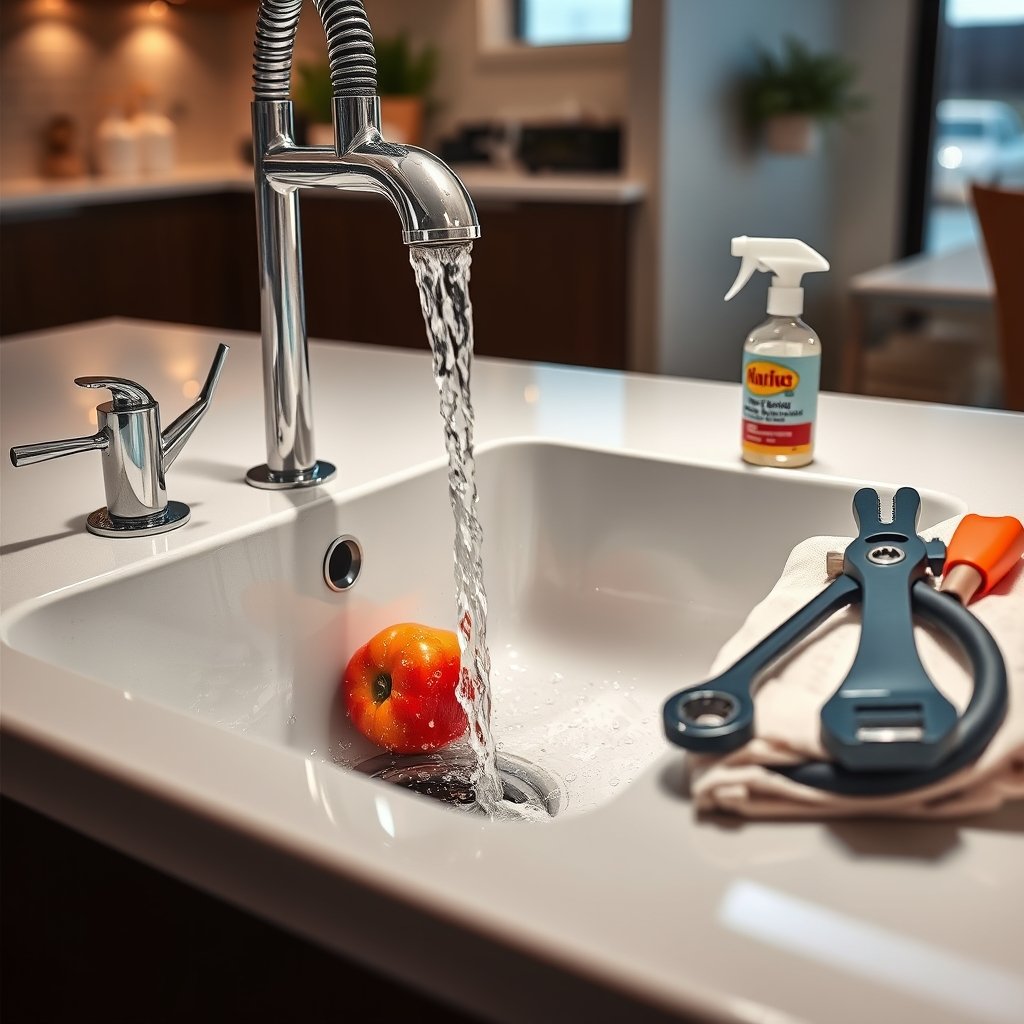
Preventive routine & the future users want (enzyme cartridges, sensors, low-pressure systems)
Preventing slow drains is easier (and about 10x cheaper) than fixing them repeatedly:
- Monthly enzyme dose: Add enzyme drain cleaner at night, let sit overnight, flush in the morning. Use sticks or liquid, $5–$15/month.
- hair catchers: Install silicone tub hair catchers or mesh strainers in bathroom and kitchen sinks. Empty weekly.
- Avoid grease: Wipe greasy pans and plates with a paper towel before rinsing; never pour oil or fat into any drain.
- Wish-list products: Users want plug-in sensors that alert when drains slow, drop-in biodegradable enzyme cartridges for continuous cleaning, and an affordable low-pressure home mini hydro-jet. These aren’t mainstream yet, but commercial options exist (Smart Drain Monitor: 7 Proven Ways To Avoid Costly Water Damage).
Routine checklist: monthly enzyme, weekly strainer clean, flush kitchen drains with hot water after each use, and inspect sink stoppers quarterly.
Troubleshooting table & quick timelines
| Symptom | Likely Cause | DIY Fix (10–30 min) | Tools Needed | When to Stop DIY |
|---|---|---|---|---|
| Bathroom sink drains slowly | Hair/soap scum (≈60–70% hair, 30% soap, per 2024 data) | Remove stopper, fish out hair with barbed snake or Zip-It, flush with hot water and enzyme | 20″ barbed snake, gloves, hot water, enzyme cleaner | If water backs up after cleaning, or main drain is slow |
| Kitchen sink drains slowly | Grease, food residue (≈70–80% grease/food, 20% hair) | Pour hot (not boiling) water, then enzyme cleaner, use mini hydro-jet if needed | Enzyme cleaner, hot water, garden hose w/jet nozzle | Multiple fixtures slow, or water pushes out nearby drains |
| Bubbling/gurgling noise | Partial clog or vent problem | Flush with hot water, check vent pipe if accessible | Enzyme cleaner, hot water, vent inspection | Gurgling in several rooms or sewage smell |
| Recurring slow drain | Buildup deep in pipe, or issue past P-trap | Snake (hand auger), or call a plumber for mainline clear | 25–50 ft hand auger, gloves | Clog returns within a week, or you see pipe leaks |
FAQ
Does baking soda and vinegar actually fix a slow draining sink?
Baking soda and vinegar can help with mild clogs or as preventative maintenance. They rarely clear deep or greasy clogs but are safe for most pipes if you do not follow with boiling water (especially on PVC).
Are enzyme drain cleaners safe for old pipes?
Yes. Enzyme-based drain cleaners are non-corrosive and work with all materials—including PVC, brass, and old iron—without damaging them. They’re especially good for slow sink drain home remedy routines.
How often should I clean my sink drain?
Monthly preventive cleaning with enzyme drain cleaner or sticks is ideal. Also, clean the stopper and check the trap at least every three months to prevent slow draining sink fixes from turning urgent.
Can I use boiling water to clear a plastic drain?
No. Boiling water can soften or warp PVC pipes, causing leaks. Use water below 140°F for plastic plumbing, and only use boiling water for metal pipes if you’re sure they’re not lined with plastic.
What size drain snake do I need?
For bathroom and most kitchen sinks, a 1/4″ (6mm) hand snake up to 25 feet is sufficient. For mainline blockages, a 3/8″ snake up to 50 feet may be needed.
Conclusion: Save time and money with the right slow draining sink fix
Most slow draining sink fix jobs can be handled quickly, safely, and for less than $40 if you use the right tools—like enzyme cleaners, safe mini hydro-jets, and barbed snakes. Know the common pitfalls, avoid chemical combo mistakes, and escalate to a pro if multiple fixtures or sewage smells appear. For more expert homeowner plumbing guidance, explore our full guides on DIY drain repairs and prevention. Don’t wait—take action today to keep your drains (and your wallet) clear.
—