

Dealing with a clogged drain in a home with a septic system requires a smart approach. Finding a septic safe drain cleaner is crucial to protect your plumbing and the delicate ecosystem of your septic tank.
Key Takeaways
- Harsh chemical drain cleaners can destroy beneficial septic bacteria and corrode pipes.
- Enzymatic and bacterial drain cleaners are the safest and most effective alternatives for septic systems.
- Avoid common DIY mistakes like improper plunging or using improvised tools, which can worsen clogs and damage pipes.
- Why Harsh Chemical Drain Cleaners Are a Threat to Your Septic System
- Choosing Septic-Safe Drain Cleaners: Enzymatic & Bacterial Solutions
- Common DIY Drain Cleaning Mistakes That Worsen Clogs and Damage Pipes
- Plumber-Approved Mechanical Tools for Effective (and Septic-Safe) Clog Removal
- Conclusion
- FAQs
Why Harsh Chemical Drain Cleaners Are a Threat to Your Septic System
When a drain slows or clogs, the temptation to reach for a powerful chemical drain opener is strong. These products often promise quick fixes, but for homeowners with septic systems, they pose a significant threat. Common chemical drain openers often contain ingredients like lye (sodium hydroxide) or oxidizing agents, which are highly corrosive. While they might appear to clear the clog, their destructive nature extends far beyond the immediate blockage.

The primary concern is the impact on your septic tank’s delicate ecosystem. Septic systems rely on a thriving population of beneficial bacteria to break down solid waste. Harsh chemicals kill these essential microorganisms, disrupting the tank’s natural decomposition process. This can lead to an accumulation of undigested solids, causing backups, overflows, and costly system failures. For example, products like Drano Max Gel, with its active ingredient sodium hydroxide, are explicitly “Bad for septic systems.” Beyond the septic tank itself, these chemicals can also corrode your home’s pipes, particularly older galvanized plumbing, leading to leaks and the need for expensive repairs. Opting for gentler, more natural alternatives is always recommended to avoid these pitfalls. You can explore a range of drain fix products that prioritize safety for your entire plumbing system.
Choosing Septic-Safe Drain Cleaners: Enzymatic & Bacterial Solutions
For homeowners committed to maintaining a healthy septic system, enzymatic and bacterial drain cleaners are the preferred and safest choice. These products work fundamentally differently from their harsh chemical counterparts. Instead of using corrosive agents, they introduce beneficial bacteria and enzymes into your drains. These microorganisms then actively digest organic matter, such as grease, hair, soap scum, and food particles, breaking them down into harmless liquids.
Brands like Bio-Clean are excellent examples of effective bacterial drain cleaners for septic systems. They combine naturally occurring bacteria and enzymes to tackle a variety of organic blockages. While they may take a bit longer to work than aggressive chemical cleaners, their gentle action ensures no harm comes to your pipes or septic tank. Cost-wise, these bio clean septic cleaner options are generally comparable to or slightly more expensive than chemical alternatives. For instance, Zep Drain Defense Enzymatic Drain Cleaner Powder is available for around $11.99. Many of these enzyme drain cleaner septic safe products are also odorless, biodegradable, and safe for all types of plumbing. For more detailed information, consider reading up on enzyme drain cleaner solutions.
These specialized septic safe drain cleaner products are designed not just to clear current clogs but also to maintain a healthy microbial balance in your septic system. They are particularly effective on clogs caused by organic materials but may be less effective on inorganic blockages or severe grease buildup. For these tougher issues, mechanical solutions, discussed next, are often more appropriate. Consistent use of these proactive, eco-friendly cleaners is a smart strategy for any homeowner with a septic tank. Learn more about enzymatic drain cleaning sticks for ongoing prevention.
Common DIY Drain Cleaning Mistakes That Worsen Clogs and Damage Pipes
While the urge to tackle a clogged drain yourself is understandable, several common DIY mistakes can unfortunately worsen the problem or even lead to expensive pipe damage. Many homeowners, for instance, immediately reach for chemical drain cleaners as a quick fix, unaware of their potential to corrode pipes and harm septic systems. However, the dangers extend beyond just chemicals.
Improper plunger use is a frequent culprit. There are different types of plungers (sink vs. toilet), and using the wrong technique, such as fast up-and-down thrusts, can actually push debris deeper into the pipe rather than dislodging it. Another critical error is forcing rigid objects, like coat hangers or makeshift wires, into the drain. This can easily scratch or puncture your pipes, leading to leaks, or even embed the clog further, making it harder for professionals to remove. For a clogged drain fix, understanding the right tools and techniques is essential.
A particularly risky mistake is attempting “DIY hydro-jetting” with a garden hose or high-pressure sprayer. While professional hydro-jetting is a powerful and effective method, it requires specialized equipment and training. A standard garden hose lacks the necessary pressure and precision, often causing more harm than good. It may not dislodge stubborn clogs and can even cause flooding or damage to pipes, especially if the blockage is severe or involves tree roots. Such improvised tools can fracture joints or drive hair and grease further into the pipe system. Recognize when a problem is beyond a simple fix; recurring blockages or severely slow drains often signal it’s time to call the experts. Avoiding these common errors is key to effective and septic tank safe drain opener methods. For tough grease clogs, check out solutions for a grease clog kitchen drain. Similarly, learn about how to unclog a drain without chemicals.
Plumber-Approved Mechanical Tools for Effective (and Septic-Safe) Clog Removal
When chemical or enzymatic cleaners aren’t enough, or if you prefer a non-chemical approach from the start, plumbers consistently recommend a few reliable mechanical tools for safe and effective clog removal, especially for hair and other solid obstructions. These tools provide a direct solution without introducing anything harmful into your septic system.
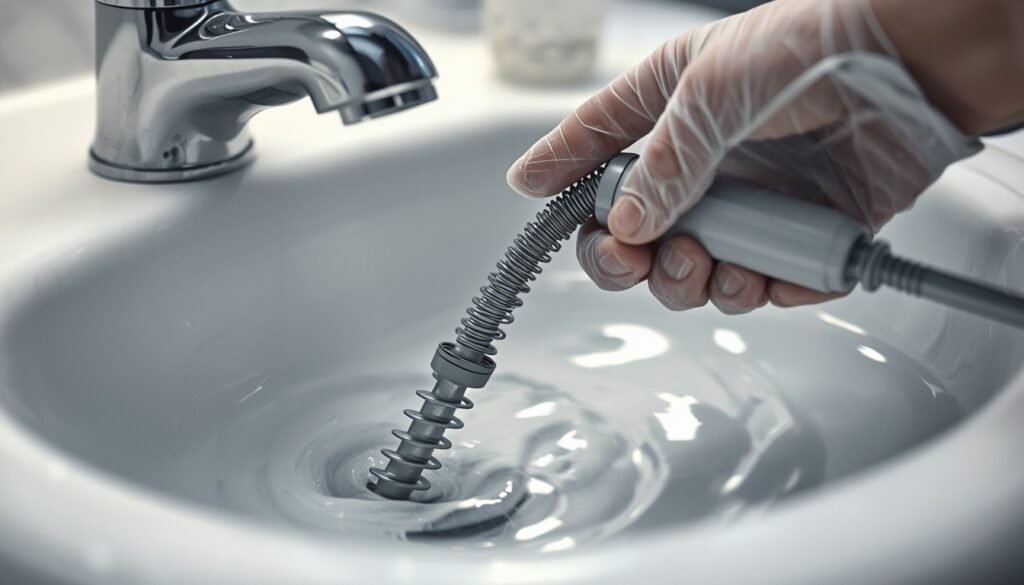
For shallower clogs, particularly those involving hair in bathroom drains, a flexible plastic hair snake or “zip-it” style hair remover is incredibly effective. These inexpensive tools, often a simple 12-inch barbed coil, can be found for under $10 at hardware stores like Home Depot, Lowe’s, or online retailers like Amazon. They are designed to grab and pull out hair and debris without damaging pipes. [cite: Synthesized Answer] For a deeper dive into these tools, consider our guide on the plastic barbed drain snake tool.
For more stubborn or deeper clogs, a manual hand-crank drain auger is a step up. Plumbers often recommend models with a curved, anti-scratch tip, such as the Ridgid 100-21M. These can be purchased for around $25-$30 at Home Depot, Lowe’s, and Amazon. A hand auger allows you to feed a flexible cable down the drain, snaking it through bends to reach and break apart or retrieve the clog. [cite: Synthesized Answer] This is a robust septic safe hair clog remover.
For the most challenging clogs, or for homeowners who want a more convenient option, a compact cordless electric drain snake offers professional-grade power. The Milwaukee M12 12V model, for instance, is a popular choice, averaging $130-$150. These are available from Amazon, Home Depot, and specialty tool distributors. Electric drain snakes make short work of tough blockages, particularly those caused by significant hair accumulation, without the need for harsh chemicals. [cite: Synthesized Answer] This category also includes drain snake cordless electric options that provide significant power and reach. Always remember to use these tools carefully to avoid pipe damage. Understanding the proper use of these tools is crucial for a clogged shower drain hair fix.
Conclusion
Effectively clearing drain clogs in a home with a septic system requires a mindful and informed approach. By understanding the severe threats posed by harsh chemical drain cleaners to your septic tank’s beneficial bacteria and plumbing integrity, you can make smarter choices. Opting for septic-safe enzymatic and bacterial solutions provides a gentle yet effective way to break down organic clogs. Furthermore, avoiding common DIY mistakes and instead relying on plumber-approved mechanical tools ensures you tackle blockages without causing further damage. Prioritizing a **septic safe drain cleaner** and proper techniques will protect your septic system, extend the life of your plumbing, and save you from potentially expensive repairs. Don’t risk your home’s vital systems; choose wisely.
FAQs
Can I use baking soda and vinegar as a septic safe drain cleaner?
While baking soda and vinegar can be a mild, non-toxic option for very minor clogs and drain freshening, they are generally not powerful enough to clear significant blockages. They are safe for septic systems but shouldn’t be relied upon for serious clogs. For more information, check out our guide on vinegar and baking soda drain methods.
How often should I use an enzymatic drain cleaner in my septic system?
Many homeowners find that using an enzymatic or bacterial drain cleaner once a month or every few months helps prevent new clogs from forming and maintains a healthy septic system environment. Always follow the specific product’s instructions for optimal results.
What are the signs that a drain clog is too severe for DIY solutions?
If you experience recurring clogs, multiple slow-draining fixtures, foul odors, or water backing up into other drains, these are strong indicators of a more severe blockage that likely requires professional plumbing assistance. Attempting to clear these with DIY methods can often worsen the problem.
Are “natural” or “eco-friendly” drain cleaners always safe for septic systems?
Not all “natural” or “eco-friendly” labels guarantee septic safety. Always read the product label carefully to ensure it specifically states “septic safe” or indicates it is enzyme- or bacteria-based. Some products might use strong acids or bases that are still harmful.
What is the best way to prevent hair clogs in a septic safe way?
The best prevention for hair clogs is to use drain protectors or hair catchers in your showers and tubs. Regularly cleaning these out will prevent hair from entering your drains in the first place, reducing the need for any drain cleaner. Consider using a silicone tub hair catcher mushroom.