

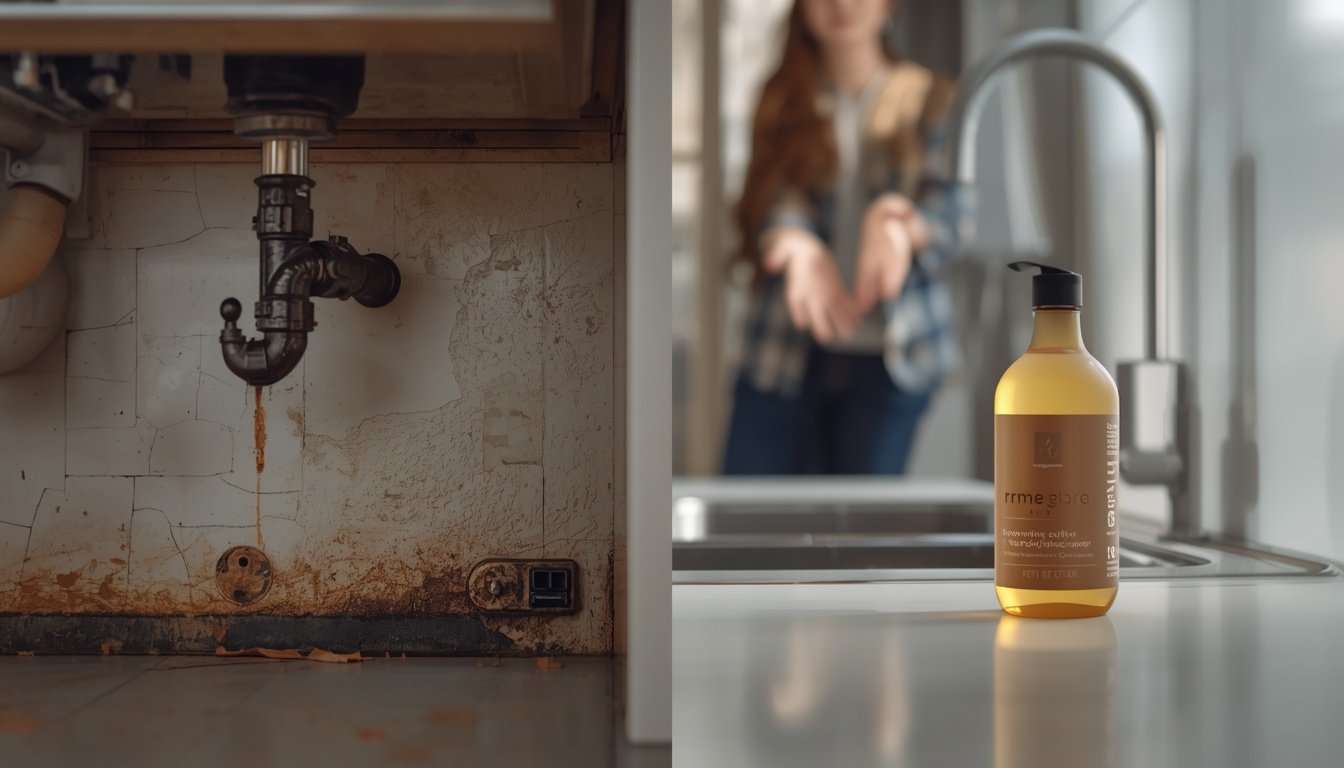
Dealing with slow drains when you have a septic system can be a homeowner’s nightmare, especially when you fear damaging your delicate septic ecology with harsh chemicals. This comprehensive guide will show you how **enzyme drain cleaner septic safe solutions** are not just quick fixes, but a systematic bio-maintenance protocol designed to prevent expensive septic repairs and pipe decay, ensuring your home’s plumbing flows freely and safely for years to come.
Key Takeaways
- Traditional caustic drain cleaners destroy essential bacterial balance in septic tanks, whereas enzyme cleaners support the system’s natural digestive health.
- Enzyme cleaners leverage a “molecular team” of lipase, protease, and cellulase to systematically break down organic clogs like grease, hair, and paper.
- For optimal effectiveness, enzymes require some existing drain flow; a quick plunge or snake can be a critical preliminary step to ensure they reach the clog.
Table of Contents
- Why Traditional Caustics Are Your Septic System’s Worst Enemy
- The Enzyme Strategy: How Lipase, Protease, and Cellulase Break Down Clogs
- The “Flow First” Rule: Why You Might Need a Plunger Before You Pour
- The Bio-Maintenance Schedule for Long-Term Drain Health
- Pro Tips for Maximum Enzyme Activation
- Conclusion
- FAQ Section
Why Traditional Caustics Are Your Septic System’s Worst Enemy
Many homeowners reach for powerful chemical drain cleaners at the first sign of a slow drain, seeking a fast solution. However, if your home operates on a septic system, this seemingly quick fix can turn into a long term disaster. Traditional caustic cleaners, often containing harsh chemicals like lye or sulfuric acid, function by generating heat and dissolving organic matter rapidly. While effective on clogs, their aggressive nature extends beyond the pipe walls, directly impacting the delicate balance of your septic tank.
A septic system relies on a complex ecosystem of living bacteria and microorganisms to break down household waste. Pouring toxins down your drain kills these living organisms responsible for treating household waste, severely harming your septic system and potentially leading to costly failures and repairs. This destruction of beneficial bacteria disrupts the natural “digestive” health of your tank, making it less efficient at processing waste and increasing the likelihood of backups and environmental contamination. Unlike these harsh chemicals, an enzyme drain cleaner septic safe formula actively supports the existing bacterial colonies, enhancing their natural ability to break down organic materials without introducing harmful substances.
The Enzyme Strategy: How Lipase, Protease, and Cellulase Break Down Clogs
Understanding how enzyme drain cleaners work reveals their true power as a bio-maintenance solution for your plumbing. Instead of brute force, enzymes employ a targeted, molecular approach, acting as specialized catalysts to break down organic waste. Your typical drain clog is rarely a single material; it is a compressed mass of various organic materials, each demanding a specific enzyme attack strategy. This is where a team of enzymes comes into play, working simultaneously to dismantle the clog.
The primary “molecular team” involved includes lipase, protease, and cellulase, each with a specific target. Lipase enzymes are essential for tackling grease and body oils, which often act as the “glue” binding most clogs together. Lipase works by cutting the bonds in fats and oils, specifically splitting triglycerides into fatty acids and glycerol, both of which dissolve in water. This process can show early improvement on tough clogs as the grease layer is typically addressed first, often breaking down in 2 to 6 hours.
Protease enzymes are the next critical component, handling proteins found in hair, dead skin cells, food proteins, and the protein matrix that holds biofilm together. A specialized subtype, keratinase, even targets keratin, the primary protein in hair. While it needs assistance from bacterial reducing agents to break keratin’s disulfide bonds, protease generally degrades protein-based clogs within 4 to 8 hours. Cellulase enzymes are designed to break down fibrous materials like toilet paper and other plant-based matter, which are common culprits in toilet and main line clogs. Amylase enzymes, another important member of this team, target starches and food waste, chopping starch chains into simple sugars that dissolve readily in water, typically within 4 to 8 hours.
This multi enzyme approach ensures that all components of a typical organic clog are addressed, leading to a more thorough and lasting solution than caustic cleaners, which often just push part of the problem further down the pipe.
The “Flow First” Rule: Why You Might Need a Plunger Before You Pour
A common complaint among users of enzyme drain cleaners is their perceived slowness, or even ineffectiveness, especially when faced with a completely blocked drain. This often leads to the misconception that enzymes are not strong enough. However, the issue usually lies not with the enzymes themselves, but with their inability to reach the source of the clog. Enzymes are biological agents that need to come into direct contact with the organic matter they are meant to break down.
If a drain is completely blocked, enzymes may not be able to reach the clog effectively to fix it. This is where the “flow first” rule becomes critical. For enzymes to work optimally, there needs to be some existing flow in the drain. This partial flow allows the enzyme solution to penetrate the clog, bringing the active enzymes into contact with the grease, hair, and food particles. If your drain is completely stagnant, the enzymes might simply sit on top of the standing water, unable to begin their work.
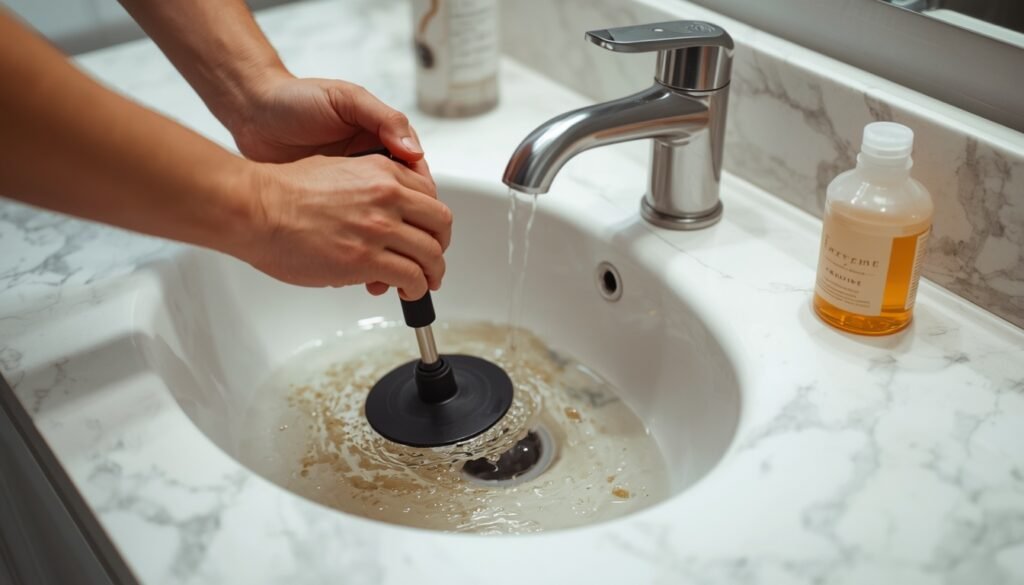
Therefore, a crucial step often missed is to first restore some partial flow. This can be achieved by using a simple plunger or a drain snake. A quick, targeted plunge can dislodge enough of the clog to allow water (and subsequently, the enzyme cleaner) to pass through. Similarly, a plastic barbed drain snake tool can physically pull out some of the initial blockage, creating the necessary pathways for the enzyme solution. Once partial flow is restored, you can then apply the enzyme cleaner, ensuring it reaches the site of the clog and begins its bio-digestive process. This preparatory step significantly enhances the effectiveness of any septic safe enzyme drain unclogger, preventing disappointment and ensuring the product can do its job.
For particularly stubborn clogs, a drill powered drain auger can be a more robust option for restoring flow before applying enzyme treatments, especially in main lines.
The Bio-Maintenance Schedule for Long-Term Drain Health
The true power of an enzyme drain cleaner septic safe product lies not in its ability to be a one-time emergency fix, but in its role as a consistent bio-maintenance protocol. Integrating enzyme treatments into a regular schedule transforms them from a reactive solution to a proactive defense against drain issues, ultimately preventing expensive repairs and extending the life of your septic system and pipes.
For addressing slow drains, a consistent approach is key. Start by applying the recommended amount of bio enzyme drain cleaner for septic systems. Allow an 8 to 12 hour dwell time, ideally overnight, to give the enzymes ample time to break down the organic matter. Then, flush with warm to hot water. For stubborn slow drains, repeat this treatment nightly for 2 to 3 consecutive days. This multi night application ensures that layers of buildup are thoroughly addressed, as enzymes work gradually to digest the clog.
Once your drains are flowing freely, transition to a preventative bio-enzyme pipe cleaner monthly schedule. Regular monthly application helps prevent biofilm buildup, grease accumulation, and general organic waste from forming new clogs. This continuous “tuning up” of your system by beneficial enzymes keeps your drains clear, controls odors, and most importantly, maintains the optimal health of your septic tank. This systematic approach is vastly superior to waiting for a problem to occur, as it ensures your plumbing infrastructure is always operating at its best.
Consistent use of an enzyme drain maintainer septic system friendly formula can save you the hassle and cost of emergency plumbing calls and extend the lifespan of your pipes. For more details on maintaining your drains, you can consult guides on drain maintenance service.
Pro Tips for Maximum Enzyme Activation
To truly unlock the full potential of your enzyme drain cleaner and ensure it functions as effectively as possible, a few application best practices are essential. These tips focus on creating an optimal environment for enzyme activity and avoiding actions that could neutralize their power.
First and foremost, temperature plays a significant role in enzyme activation. Always activate enzyme solutions with warm water. Warm water helps to gently awaken the enzymes and aids in their distribution through the pipes, making them more effective at reaching and breaking down organic material. However, avoid using boiling water, as extreme heat can denature and deactivate the enzymes, rendering them useless.
Secondly, never mix enzyme drain cleaners with other chemical cleaners, especially harsh caustics. Chemical cleaners, with their strong acids or bases, will neutralize the biological activity of enzymes. This means if you have recently used a chemical drain opener, you should thoroughly flush the drain with water before introducing an enzyme product. Mixing can not only reduce the effectiveness of both products but also potentially create dangerous fumes.
Third, respect the dwell time. Enzymes are not instantaneous. They require time to digest organic matter at a molecular level. Allowing the product to sit for the recommended 8 to 12 hours, ideally overnight, gives the enzymes ample opportunity to work. Flushing too soon will wash away the active ingredients before they have completed their task, leading to suboptimal results. For light maintenance or minor issues, consistent use of products like Green Gobbler Enzyme or Earthworm Drain Cleaner can be highly effective with proper dwell times.
Finally, consistency is key. As discussed, enzyme cleaners are best used as part of a regular maintenance schedule. Monthly application prevents new clogs from forming and helps maintain the overall health of your septic system. For ongoing drain health, regular enzyme/bacteria treatments are recommended to continuously “tune up” your system by breaking down grease and preventing biofilm buildup. This proactive approach ensures your plumbing remains clear and efficient.
Conclusion
Choosing an enzyme drain cleaner septic safe solution is a strategic decision for any homeowner with a septic system. Rather than risking damage with harsh chemicals, you embrace a bio-maintenance protocol that supports your septic ecology and prevents costly plumbing issues. By understanding how enzymes like lipase, protease, and cellulase meticulously break down organic matter, preparing your drains with the “flow first” rule, and adhering to a consistent bio-maintenance schedule, you ensure long term drain health.
Embrace this intelligent approach to plumbing care. Make enzyme drain cleaner septic safe products a regular part of your home maintenance to keep your drains flowing freely and your septic system operating efficiently for years to come. Start your bio-maintenance journey today and enjoy peace of mind.
FAQ Section
Are enzyme drain cleaners truly safe for all septic systems?
Yes, enzyme drain cleaners are designed to be safe for all types of septic systems. Unlike harsh chemical cleaners, they do not kill the beneficial bacteria vital for the septic tank’s function. Instead, they supplement these bacteria by breaking down organic waste into smaller, more manageable components, enhancing the system’s natural digestive process. This makes them an ideal choice for maintaining septic health.
How long does it typically take for an enzyme drain cleaner to work?
Enzyme drain cleaners work gradually. For minor clogs and maintenance, you might see improvements within 8-12 hours, often best applied overnight. For stubborn slow drains, multiple applications over 2-3 nights may be necessary. Lipase, for example, can break down grease in 2-6 hours, while other enzymes like protease and amylase work within 4-8 hours. Patience and consistent application are key to their effectiveness.
Can I use an enzyme drain cleaner for a completely blocked drain?
While enzyme drain cleaners are excellent for maintenance and slow drains, they may struggle with a completely blocked drain. Enzymes need to come into direct contact with the clog to work. If a drain is fully blocked, the enzyme solution might not reach the obstruction. In such cases, it is advisable to first use a plunger or a drain snake to restore some partial flow, allowing the enzymes to penetrate and begin their work.
How often should I use an enzyme drain cleaner for preventative maintenance?
For ongoing drain health and preventative maintenance, it is generally recommended to use an enzyme drain cleaner once a month. This regular application helps to prevent the buildup of grease, hair, soap scum, and other organic materials, keeping your pipes clear and your septic system functioning optimally. Consistent use prevents minor issues from escalating into major clogs.
Are there any types of clogs that enzyme cleaners are not effective against?
Enzyme drain cleaners are highly effective against organic clogs, such as grease, hair, soap scum, food particles, and toilet paper. However, they are not designed to break down inorganic materials like plastic, metal, or mineral deposits (e.g., rust). For these types of blockages, mechanical methods like snaking or professional plumbing intervention would be necessary. They are also less effective on severe, compacted clogs where no flow exists.