
A stubborn clog can quickly turn a peaceful home into a plumbing nightmare. While chemical cleaners often fail and manual tools prove frustrating, the drain snake cordless electric offers a powerful, convenient solution for DIY homeowners. However, wielding this tool effectively requires more than just power; it demands understanding common pitfalls and mastering proper techniques to prevent worsening the problem or damaging your pipes.
Key Takeaways
- Many DIY drain cleaning attempts, especially using harsh chemicals or boiling water, can actually damage pipes and worsen clogs.
- Before reaching for advanced tools like a cordless electric drain snake, homeowners should consider simpler, non-chemical methods for common clogs like hair.
- Proper technique and understanding when to use a cordless electric drain snake are crucial for effective clog removal and preventing costly plumbing damage.
- Why Common DIY Drain Cleaning Mistakes Worsen Clogs and Damage Pipes
- Overlooked DIY Blunders: The Mistakes Competitor Blogs Rarely Highlight
- When to Grab Your Cordless Electric Drain Snake (And When Simpler Tools Suffice)
- Mastering Your Cordless Electric Drain Snake: Techniques for Effective Clog Clearing
- Choosing the Right Cordless Electric Drain Snake for Your DIY Arsenal
- Conclusion
- FAQ Section
Why Common DIY Drain Cleaning Mistakes Worsen Clogs and Damage Pipes
Homeowners frequently exacerbate drain issues and cause pipe damage by misusing tools or employing harmful methods, often leading to more significant problems than the initial clog. Many gravitate towards chemical drain cleaners, viewing them as a quick fix, but these harsh solutions can corrode pipes and seals, leading to expensive repairs down the line. Instead of solving the problem, they create a new one. Similarly, improper use of a common household drain snake or drain auger can scratch or puncture pipe walls, or even push the blockage further into the system, making it much harder to remove.
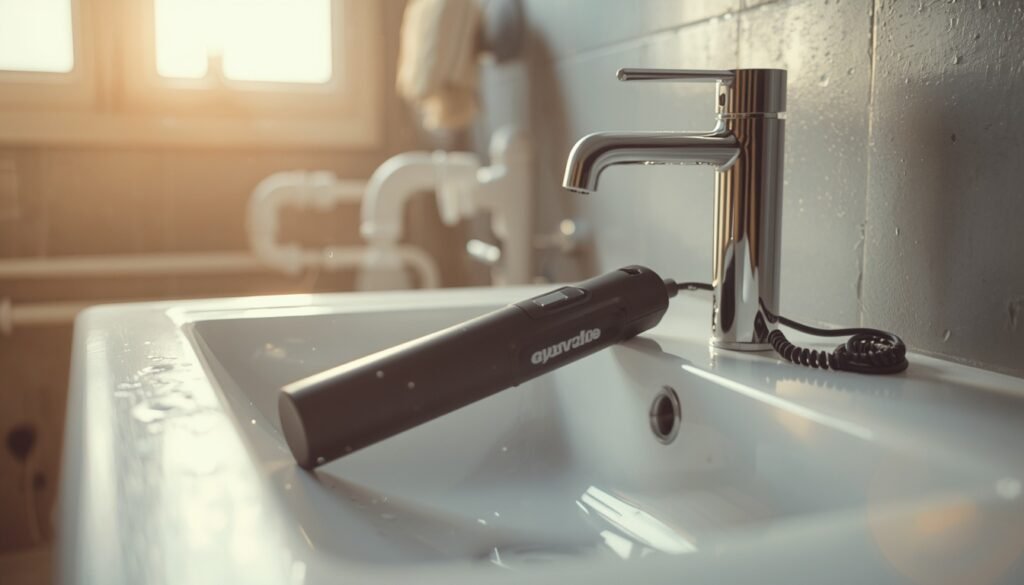
One of the biggest blunders involves applying excessive force with a drain snake or using a plunger incorrectly. Forcing a drain snake can damage pipes or push the blockage deeper, making it more difficult to remove. Homeowners most often worsen clogs by pouring harsh chemicals, using a plunger with rapid up and down motions that can splash dirty water and fail to generate the needed pressure, forcing a drain snake too far or with excessive force which can scratch or puncture pipe walls, pouring boiling water into PVC or older plastic lines which can soften or melt them, and skipping the simple step of removing and cleaning the P-trap before any tool work.
Understanding these common mistakes is the first step toward effective and safe DIY drain clearing. Opting for non-chemical solutions and learning proper tool usage can save you from unnecessary damage and costly plumber call-outs. For persistent issues, learning how to unclog a drain without chemicals can be a safer alternative.
Overlooked DIY Blunders: The Mistakes Competitor Blogs Rarely Highlight
Many DIY drain cleaning guides neglect to warn against critical errors, leaving homeowners vulnerable to preventable damage. While chemical overuse is a frequently discussed hazard, some crucial oversights are often missed. For instance, pouring boiling water into a clogged drain might seem like a natural, chemical-free solution, but it can severely damage PVC or older plastic pipes by softening or even melting them. This simple act can transform a minor clog into a major plumbing emergency, leading to significant repair costs.
Another often-overlooked step is inspecting and cleaning the P-trap. Before attempting to use a cordless drain auger or electric drain snake near me, many homeowners skip this fundamental step. The P-trap, the curved section of pipe directly under a sink, is a common collection point for hair, grease, and other debris. Removing and cleaning it manually can often resolve the clog without needing more advanced tools, and certainly before risking damage with a forceful drain snake.
Mistakes like the boiling water and trap removal oversights are seldom highlighted in the leading competitor blogs, which tend to focus on chemical overuse and basic plunger-snake misuse. Ignoring these nuances can lead to recurring clogs and premature pipe deterioration. Always remember, DO NOT POUR BOILING WATER DOWN THE DRAIN in an attempt to unclog the drain. If boiling water fails to clear a clog (which is likely) it could melt PVC plastic. For persistent bathroom clogs, these often overlooked details are key to effective solutions. Consider exploring quick fixes for stubborn bathroom clogs that emphasize safe, pipe-friendly methods.
When to Grab Your Cordless Electric Drain Snake (And When Simpler Tools Suffice)
While powerful, a drain snake cordless electric isn’t always the first or only solution. Understanding its role in conjunction with simpler, non-chemical tools for specific clog types is key to efficient and cost-effective DIY clog removal. Before deploying a robust tool like a RIDGID drain snake or a Milwaukee drain snake, assess the nature and severity of your clog. For many common household blockages, especially those caused by hair, less aggressive and equally effective tools are available.
The three non-chemical, plumber-favored hair-clog solutions are a flexible plastic hair-snake (often sold as Zip-It, Drain-Weasel or similar barbed “hair snake”) available at Home Depot, Lowe’s, and Amazon for about $5-9 per pack; a hand-crank drum or wand-style auger (e.g., a ¼-inch handheld drain auger) sold at the same retailers for roughly $15-$20; and disposable single-use coil snakes (plastic “drain snakes” that snap apart after use) found in most hardware stores and on Amazon for $3-$6 each, all of which effectively pull or snag hair without chemicals. These simpler tools are excellent for clogged shower drain hair fix situations.
A cordless electric drain snake shines when dealing with deeper, more stubborn clogs that simpler tools cannot reach or dislodge. Think of those persistent kitchen sink clogs involving grease buildup, or bathroom clogs that are past the P-trap and not easily handled by a simple hair snake. These powered devices provide the necessary torque and reach to break through compacted debris or retrieve larger obstructions.
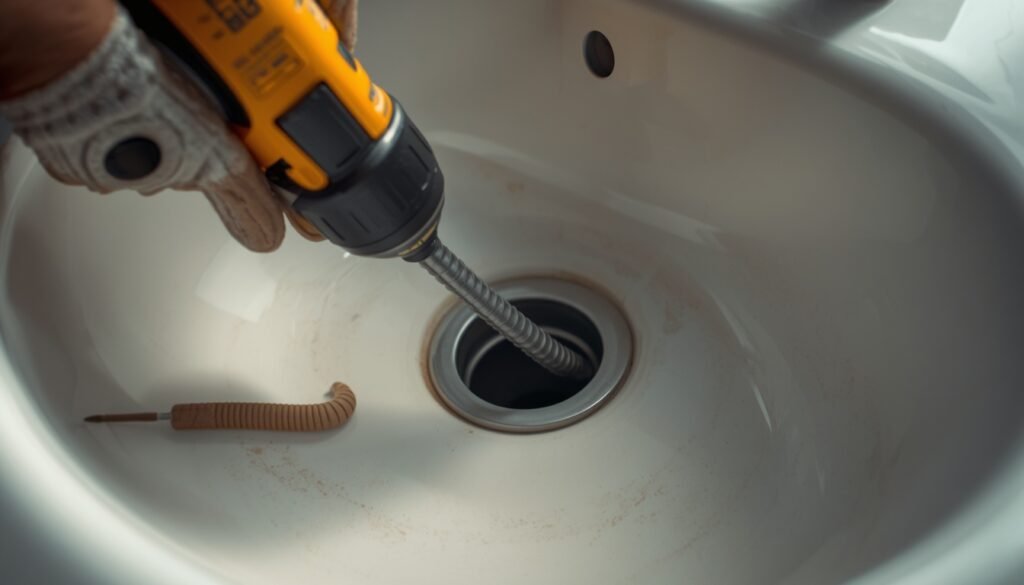
If you’re facing a slow draining sink that resists plungers and simpler augers, or if you suspect a blockage further down the drain line, then it’s time to consider a powered option. For advice on slow draining sinks, consult our slow draining sink fix guide.
Mastering Your Cordless Electric Drain Snake: Techniques for Effective Clog Clearing
Proper technique is crucial when using a cordless electric drain snake to maximize its effectiveness against stubborn clogs while preventing damage to your plumbing system. Many homeowners rush the process, leading to potential pipe issues. Remember, while a drain snake can effectively remove obstructions, improper handling can damage your pipes.
Begin by ensuring you have appropriate safety gear, including gloves and eye protection. Locate the drain opening and, if possible, remove the P-trap to gain direct access and inspect for superficial clogs. Slowly feed the snake cable into the drain, allowing the auger head to navigate the twists and turns of the pipe naturally. Do not force the cable; let the motor do the work. When you encounter resistance, engage the motor to allow the rotating head to bore through or grab the obstruction.
Forcing a drain snake can damage pipes or push the blockage deeper, making it more difficult to remove. Instead, apply gentle, consistent pressure while the cable rotates. If the snake catches on the clog, retract it slightly and then feed it forward again, allowing the spinning head to work on the blockage. Once the clog is cleared or retrieved, slowly pull the cable back, cleaning it as it emerges from the drain. Never retract the cable quickly, as this can splash dirty water and re-lodge debris.
For more severe blockages, or if you encounter significant resistance that feels like a pipe obstruction rather than a clog, it might be time to consider professional assistance. If your drain snake cordless electric isn’t making progress, a professional might use a hydro jetter pressure washer attachment for more thorough cleaning. Tools like the RIDGID K-46 SinkSnake or a Ryobi drain auger are designed for homeowner use, but proper handling is key. Always read your specific tool’s manual for detailed operating instructions.
Choosing the Right Cordless Electric Drain Snake for Your DIY Arsenal
Selecting a cordless electric drain snake involves understanding their effectiveness as a mechanical solution for homeowners compared to unreliable chemical cleaners. For home drain clogs, mechanical tools like drain snakes and Zip-Its are overwhelmingly recommended over chemical cleaners due to effectiveness and safety. When choosing your tool, several factors come into play that directly impact its suitability for common household plumbing tasks.
| Feature | Consideration for DIY Homeowners |
|---|---|
| Cable Length | Most household clogs are within 25-50 feet. Longer cables (75+ ft) are usually for main sewer lines, often requiring professional tools like a drill powered drain auger 25ft. |
| Cable Diameter | Smaller diameters (1/4″ – 5/16″) are ideal for sink and tub drains. Larger diameters (3/8″ – 1/2″) are better for tougher kitchen clogs or smaller main lines. |
| Power Source | Cordless electric models offer portability and freedom from outlets, making them convenient for various locations around the house. Consider battery life and interchangeable battery systems (e.g., if you already own RIDGID or Milwaukee tools). |
| Auto-Feed Mechanism | This feature simplifies feeding and retracting the cable, reducing manual effort and potential mess. It’s highly recommended for ease of use. |
| Drum Type | Enclosed drums keep the cable contained, reducing mess and improving safety. Open drums are lighter but can be messier. |
A good drain snake cordless electric offers convenience, power, and the ability to tackle clogs that hand-crank models simply cannot. Brands like RIDGID drain snake and Milwaukee drain snake offer robust options known for their durability and performance. Consider the typical clogs you face. For kitchen sinks with grease clogs, a slightly thicker cable might be beneficial. For bathroom drains, a smaller diameter cable can navigate tight bends more easily.
Investing in the right tool means you can address most common clogs confidently, avoiding the cycle of ineffective chemical solutions and the expense of frequent plumber visits. For comprehensive solutions beyond chemical drain cleaners, check out our guide on top drain fix products.
Conclusion
Effectively clearing household clogs with a drain snake cordless electric hinges on understanding not just the tool, but also the common mistakes that can worsen problems and damage your plumbing. By avoiding harmful chemicals, improper plunging, or forcing a drain snake, homeowners can approach clog removal with confidence. Prioritizing simple mechanical tools for minor clogs and reserving the cordless electric drain snake for more stubborn blockages ensures both efficiency and pipe integrity. Equip yourself with the right knowledge and tools, and you’ll be well-prepared to tackle most drain issues safely and effectively.
Don’t let a clogged drain disrupt your home life. Empower yourself with proper techniques and the right equipment.
FAQ Section
Is a cordless electric drain snake worth it for homeowners?
Yes, for homeowners who frequently encounter stubborn clogs that chemical cleaners or manual tools cannot clear, a cordless electric drain snake is a valuable investment. It offers more power and reach, making it highly effective for deeper blockages, while providing the convenience of portability.
Can a drain snake cordless electric damage my pipes?
Yes, improper use of a drain snake, even a cordless electric one, can damage pipes. Forcing the cable, using excessive pressure, or rapidly retracting it can scratch, puncture, or even crack plumbing lines. Always operate the tool slowly and gently, allowing the rotating head to do the work.
When should I call a professional plumber instead of using a drain snake?
You should call a professional plumber if your drain snake doesn’t clear the clog after several attempts, if you suspect a main sewer line blockage, if you experience multiple clogged drains simultaneously, or if you encounter a severe backup. Persistent or recurring clogs often indicate a larger underlying issue that requires expert diagnosis.
What types of clogs are best for a cordless electric drain snake?
Cordless electric drain snakes are best for tougher clogs involving hair, grease buildup, soap scum, and minor foreign objects that are beyond the reach or power of plungers or hand-crank augers. They are particularly effective for bathroom sink, tub, and kitchen sink drains.
How do I maintain my cordless electric drain snake?
After each use, clean the snake cable thoroughly by wiping off any debris and rinsing it. Lubricate the cable with a rust-preventative oil to prevent corrosion. Ensure the battery is charged and stored in a cool, dry place, and inspect the auger head for wear or damage before and after use.