

### Blog Post:
enzymatic drain cleaning sticks are quickly becoming the go-to option for homeowners seeking safe, long-term drain maintenance without harsh chemicals. If you want to prevent bathroom sink clogs, eliminate unpleasant drain odors, and protect your plumbing and septic system, enzyme sticks may seem promising. But do they work as well as claimed? Here’s what you need to know—without hype or guesswork.
Key Takeaways
- Enzymatic drain cleaning sticks are safer for pipes and septic systems and excel at preventing organic buildup, but are less effective against existing severe clogs.
- They rely on bacteria and enzymes that slowly digest organic matter over time, offering ongoing deodorizing and clog prevention if used regularly.
- Despite rapid growth among eco-conscious users, most commercial enzyme sticks lack detailed ingredient disclosure, and their longevity in pipes is underreported.
- What Are Enzymatic Drain Cleaning Sticks & Why Use Them?
- How to Use Enzymatic Drain Cleaning Sticks: Step-by-Step
- Advanced Analysis & Common Pitfalls
- Conclusion
- FAQ: Enzymatic Drain Cleaning Sticks
What Are Enzymatic Drain Cleaning Sticks & Why Use Them?
Enzymatic drain cleaning sticks are slim, biodegradable sticks that contain a blend of bacteria and enzymes designed to slowly break down organic waste inside your household drains. When you drop a stick into the bathroom sink, shower, or kitchen drain, it dissolves over weeks, steadily releasing active ingredients that digest hair, food, grease, and soap scum. This process helps keep pipes clear, reduces odors, and is considered safe for older plumbing and septic systems since it avoids corrosive chemicals present in traditional drain openers.
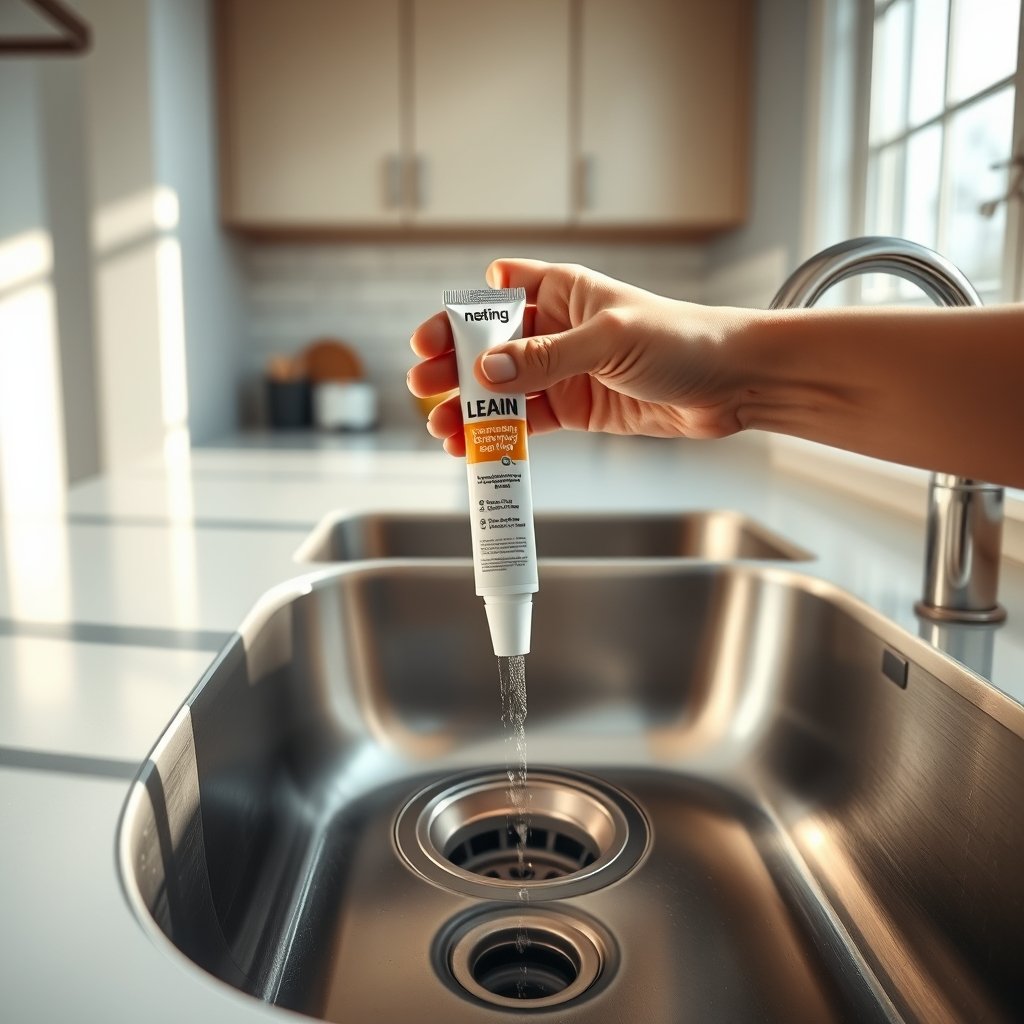
Enzyme drain sticks are marketed primarily as preventative maintenance—not instant clog removers. Unlike chemical drain cleaners, which use lye or acids to dissolve obstructions quickly (but at a cost to plumbing health and the environment), enzyme sticks work continuously in the background. Their gentle nature makes them safe for homes with vulnerable plumbing or active septic tanks. This shift toward less toxic prevention is fueling considerable market growth, especially with eco-conscious homeowners.Source
Learn more about septics and old pipes with our in-depth guide on Enzymatic Drain Cleaner Safe For Old Pipes: 7 Best Ways to Protect Pipes (Proven Guide).
How to Use Enzymatic Drain Cleaning Sticks: Step-by-Step
Using enzyme sticks in your drains is simple, but consistent use is crucial for noticeable results. Here’s the best way to keep your bathroom sink and other drains free of buildup and odors using these products:
- Remove any large visible debris from the drain opening. This allows the enzymatic stick to reach the P-trap and start breaking down hidden blockages.
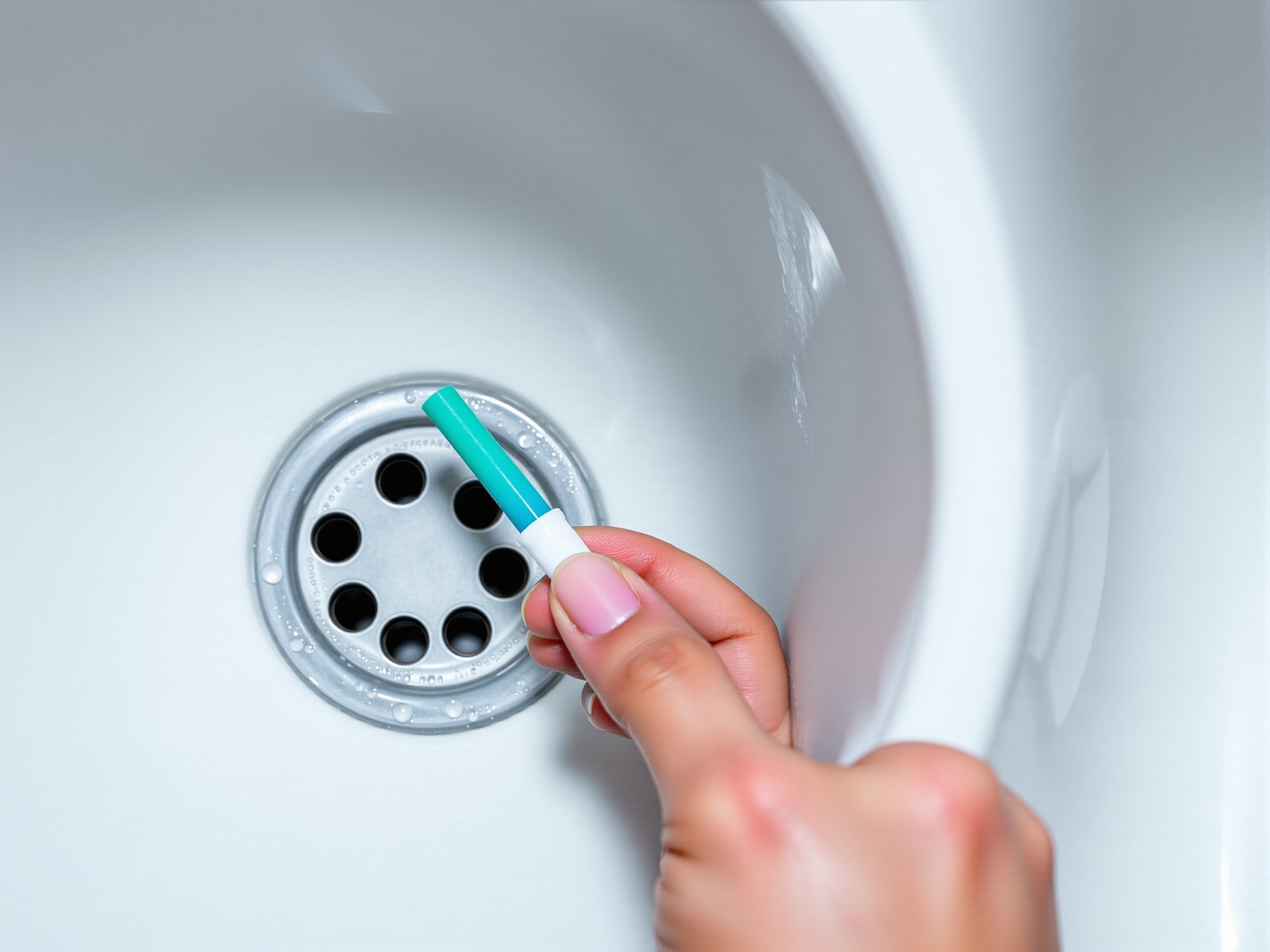
- Drop one enzymatic stick directly into the center of the drain. Most sticks are designed to dissolve over about 30 days. Use only one stick per drain opening monthly unless the product label recommends otherwise.
- Use monthly. Consistency is the only way the bacteria can establish healthy colonies that keep organic buildup from forming future clogs.
- Avoid flushing with hot/boiling water shortly after insertion, as high temperatures can damage or kill the beneficial organisms in most enzyme-based drain cleaners.Market Report
- Keep up with other basic drain maintenance (like using a tub hair catcher—instructions here) for best results, especially in high-use bathrooms.
- These sticks are generally safe for all pipe types: PVC, copper, iron, and older galvanized.
- Use only with household drains. For tough mainline clogs, see our drill powered drain auger guide.
- For slow bathroom sink drains, you may still need a quick-fix product—see our thorough tutorial here.
Advanced Analysis & Common Pitfalls
While enzymatic drain cleaning sticks can be a safe, eco-friendly addition to your plumbing routine, they aren’t a miracle fix for every problem. Understanding the technical limitations—and what users often overlook—helps you decide whether to use them as your main method or as just one part of a broader drain maintenance strategy.
| Feature | Enzymatic Drain Sticks | Chemical Drain Cleaners |
|---|---|---|
| Speed vs Clogs | Slow, preventative – not for instant clog removal | Fast acting, dissolves minor blockages quickly |
| Pipe Safety | Safe for all pipes; no corrosion risk | Risk of corrosion/damage, especially in old or metal pipes |
| Septic Safe | Yes; supports beneficial bacteria in tank | No; can kill septic bacteria and upset balance |
| Environmental Impact | Biodegradable, non-toxic | Toxic residues; environmental hazard |
| Major Downside | Not effective for existing blockages; requires regular use; little transparency on enzyme strains; slow deodorizing for heavy odors | Harsh on plumbing; cannot use with septics or old pipes; toxic exposure |
- Transparency gaps: Most brands do not disclose enzyme strains or supporting ingredients, making it hard to compare effectiveness or guarantee specific results.Research Report
- Longevity is highly variable: Depending on water use, the stick may dissolve in under four weeks or much sooner—drain location and flow rate matter. Unlike with a broad arsenal of drain fix products, you have less control over dosage.
- No acute clog removal: If your drain is already slow or stopped, enzyme sticks alone will not resolve it; manual removal or chemical/gel solutions may be necessary. Explore practical clogged drain fixes instead.
- Drain type compatibility: Underexplored in most guides—enzyme sticks are gentler for bathroom sinks and showers. Some products may be less effective in vertical drains or kitchen sinks with heavier grease loads. For serious food or hair clogs, see our hair dissolving gel for shower drains guide.
- Deodorizing can lag: Odor elimination is tied to how quickly the bacteria break down smelly organic matter, which is gradual—quick fixes like baking soda/vinegar hacks (see our test summary here) may work faster for surface-level smells.
- Environmental data: Manufacturers claim biodegradation but few offer quantified evidence of complete breakdown or residual effects beyond market-typical “eco-friendly” labels.Market Analysis
Conclusion
If you want safer, low-maintenance, and eco-friendly drain upkeep, enzymatic drain cleaning sticks offer a solid, preventive solution for bathroom sinks and household drains—provided you use them monthly and start before clogs develop. While more research on specific strains and environmental breakdown would be welcome, these sticks remain a smart choice for routine plumbing care—especially where septic health and pipe longevity matter. If you’re ready to keep your drains clear and fresh the safe way, try enzymatic drain cleaning sticks now and experience hassle-free maintenance for yourself.
FAQ: Enzymatic Drain Cleaning Sticks
Do enzymatic drain cleaning sticks remove existing clogs?
No. These sticks are meant for ongoing prevention and deodorizing, not instant blockage removal. Use them only after you’ve already cleared major clogs.
Are enzyme drain sticks safe for septic tanks and old pipes?
Yes—unlike most chemical drain openers, enzymatic sticks are engineered to be biodegradable and safe for all common pipe materials and septic systems. They won’t corrode pipes or disrupt septic bacteria.
How often should you use enzymatic drain sticks for best results?
For consistent prevention and odor control, add one stick per drain every month. High-use drains may benefit from more frequent checks, but monthly use is most common.
What are the main ingredients in enzyme drain sticks?
Most contain undisclosed blends of bacteria and enzymes tailored to digest organic waste like hair, grease, and soap. Exact species or strains are rarely listed on packaging.
Can you use these sticks in kitchen or shower drains?
Yes, enzyme sticks are generally safe for any household drain, but results may vary. Heavier grease loads or thick hair buildup may require additional cleaning methods for full effectiveness.
—