
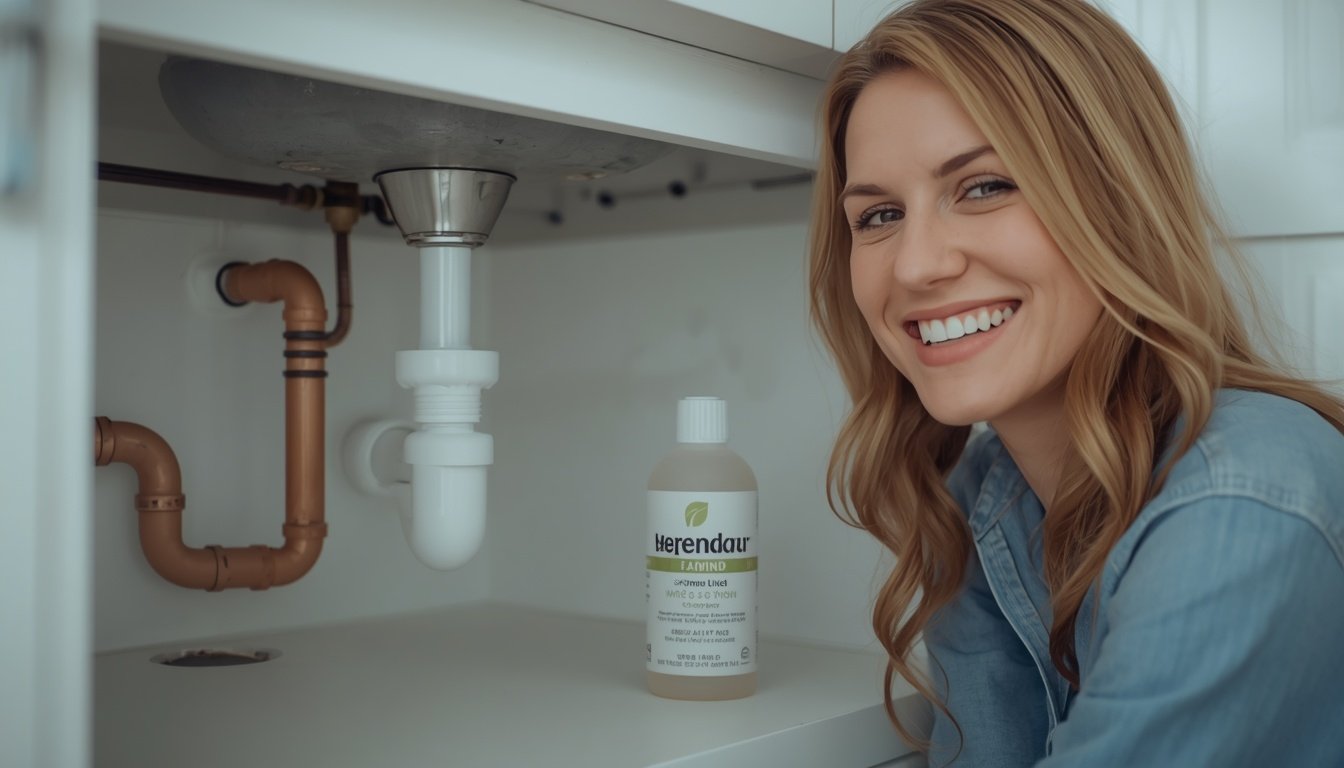
The **enzyme drain cleaner** stands as a sophisticated solution for homeowners seeking to maintain their plumbing systems without resorting to corrosive chemicals. This approach moves beyond the prevalent “quick-fix” mentality, focusing instead on long-term pipe integrity and drainage health. For the maintenance-minded homeowner, particularly those with septic systems or older homes, understanding how biological solutions work can prevent expensive plumbing repair bills and offer an eco-friendly, non-toxic alternative to harsh chemical interventions.
Key Takeaways
- Chemical drain cleaners pose a significant risk, actively corroding pipes and potentially leading to costly damage over time.
- Bio-enzymatic cleaners offer a gentle, long-term maintenance strategy by digesting organic matter, requiring patience but ensuring pipe safety.
- Effective drain maintenance prioritizes mechanical tools and understanding clog types, rather than relying solely on chemical solutions or incorrect DIY methods.
- Why Your “Quick-Fix” Drain Cleaner Might Be Costing You Thousands
- How Bio-Enzymatic Cleaners Actually Work (And How They Differ)
- 3 Common Myths Keeping You from Better Drain Maintenance
- The Safe Way to Clear Clogs: A Step-by-Step Hierarchy
- Conclusion
- Frequently Asked Questions About Enzyme Drain Cleaners
Why Your “Quick-Fix” Drain Cleaner Might Be Costing You Thousands
Many homeowners instinctively reach for chemical drain cleaners as a rapid solution for a slow or stopped drain. These products often promise instant results, but the hidden dangers can far outweigh the perceived convenience. Chemical cleaners do not simply dissolve a clog and become inert; they continue to react with the pipe walls long after the blockage is gone. This ongoing chemical reaction can thin PVC pipes and corrode older metal lines from the inside out, leading to weakened plumbing infrastructure. What might seem like a small purchase to clear a clog can quickly escalate into a pipe replacement call, costing thousands of dollars to repair damage that goes well beyond the original clog. Opting for a natural drain cleaner can help you avoid these severe long-term consequences.
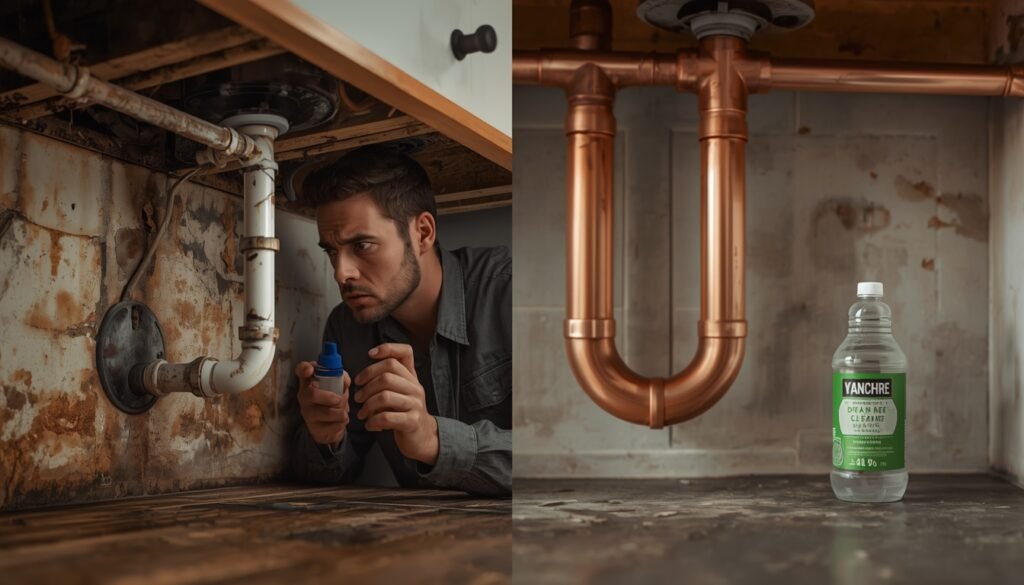
The allure of a fast fix blinds many to the slow, destructive process occurring within their pipes. While chemical products like lye or sulfuric acid can aggressively break down organic matter, they are indiscriminate. They attack everything in their path, including the very materials that form your plumbing system. Over time, this repeated exposure compromises the integrity of your pipes, making them more susceptible to leaks, cracks, and complete failure. This is especially true for older homes with cast iron or copper pipes, which are more vulnerable to corrosion than modern PVC. Protecting your plumbing with a safe drain cleaner for PVC pipes is a proactive measure against future costly repairs.
How Bio-Enzymatic Cleaners Actually Work (And How They Differ)
Unlike harsh chemical solutions, a bio enzyme drain cleaner doesn’t rely on corrosive agents to clear clogs. Instead, these cleaners utilize naturally occurring bacteria and enzymes to digest organic material. These enzymes act as catalysts, breaking down substances like grease, hair, soap scum, and food particles into smaller, water-soluble components. The bacteria then consume these broken-down materials, effectively eliminating the clog. This biological process is a long-term maintenance strategy, not an instant “melt” solution. Patience is key, as these solutions require specific “dwell time” to work their magic.
This fundamental difference is crucial for homeowners prioritizing pipe health, especially those with septic systems. Chemical cleaners can disrupt the delicate bacterial balance in a septic tank, leading to system failure and expensive repairs. Septic safe drain cleaner options, on the other hand, support the natural biological processes within your tank, making them a sustainable choice for your entire plumbing and waste management system. The goal is not just to clear a clog, but to improve the overall health of your drains and pipes over time.
While some bacterial drain cleaners are formulated to tackle a broader range of clogs, it is important to understand their limitations. They are highly effective against organic buildup, which constitutes the majority of common household clogs. However, for inorganic obstructions like jewelry or foreign objects, mechanical removal will still be necessary. The true power of these solutions lies in their ability to prevent future clogs by continuously breaking down accumulating organic matter, essentially providing ongoing drain maintenance.
3 Common Myths Keeping You from Better Drain Maintenance
Misinformation often drives homeowners to make choices that harm their plumbing. Let’s debunk three pervasive myths about drain maintenance that prevent people from adopting safer, more effective strategies:
* **Myth 1: All Clogs Are the Same.** This is a dangerous oversimplification. Clogs vary widely in their composition and location. A hair clog in a shower drain requires a different approach than a grease clog in a kitchen sink. Using a powerful chemical on a hair clog that could be easily snaked, for instance, is not only overkill but potentially damaging. Understanding the nature of the clog is the first step toward the right solution. For example, specific strategies are needed for a grease clog kitchen drain.
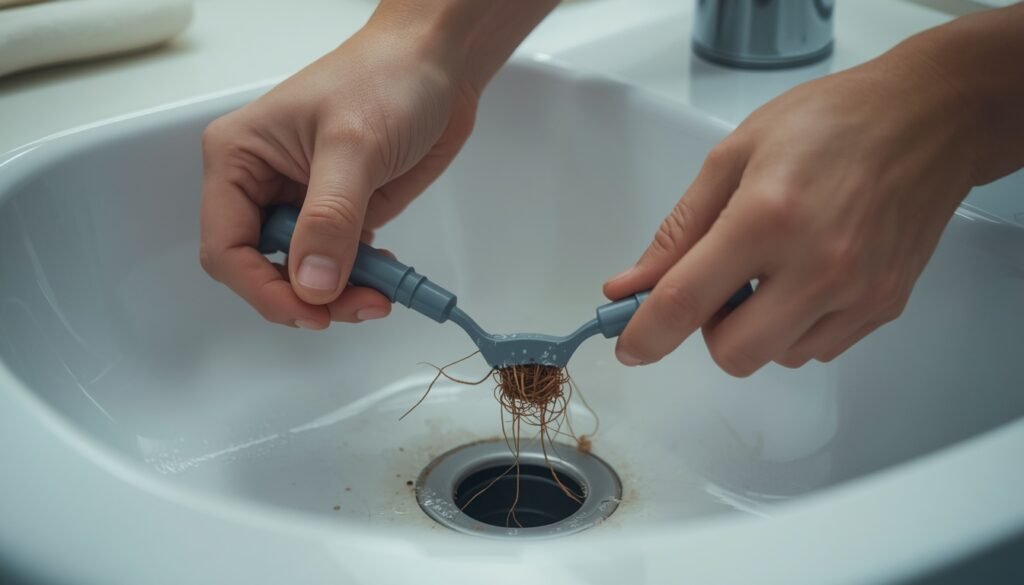
* **Myth 2: Chemicals Are the Only Way to Get “Fast” Results.** While chemical cleaners promise speed, their “fast” results come at a significant cost to your pipes and the environment. Many effective, non-chemical methods can clear clogs quickly, often faster than waiting for a corrosive chemical to work its way through. Furthermore, the perceived “fast fix” often leads to recurring clogs and, eventually, much slower, more expensive repairs due to pipe damage. Homeowners often fail by misusing plungers (incorrect sealing), over-forcing drain snakes, or using “home-rigged” hydro-jetting that floods pipes, whereas simple mechanical tools like a $12 hair-catcher are often more effective for common hair clogs.
* **Myth 3: Mechanical Tools Are Too Difficult for the Average DIYer to Handle Safely.** This myth often deters homeowners from attempting simple, safe mechanical solutions. While specialized tools like drill powered drain augers exist, many mechanical tools are incredibly user-friendly and effective for common clogs. Misuse, not inherent difficulty, is the issue. Forcing a drain snake can damage pipes or push the blockage deeper, making it more difficult to remove. Similarly, improper plunger use, such as not creating a complete seal or using a rapid up-and-down motion, can worsen a clog. Learning basic techniques for these tools is far safer and more beneficial than relying on harsh chemicals. Tools like a silicone tub hair catcher mushroom can also prevent clogs from forming in the first place.
The Safe Way to Clear Clogs: A Step-by-Step Hierarchy
When faced with a slow or clogged drain, a systematic, safe approach can prevent damage and save money. The key is to start with the least invasive methods and escalate only when necessary. This hierarchy emphasizes proactive prevention and informed intervention.
1. **Identify the Right Mechanical Tool First:** Before introducing any liquids, assess the clog’s likely location and nature. For minor clogs in sinks or tubs, a simple plunger is often effective. Ensure you use the correct type (a cup plunger for sinks/tubs, a flange plunger for toilets) and create a tight seal. For hair clogs in showers, a plastic barbed drain snake tool or a dedicated hair catcher tool is highly effective and can be purchased for around $12. For deeper, more stubborn clogs, a manual hand-crank auger (snake) can reach further into the pipes. Start with mechanical methods before moving to enzymatic cleaners. A $22 manual hand-crank auger or a $48 electric drum snake can often tackle tough clogs effectively.
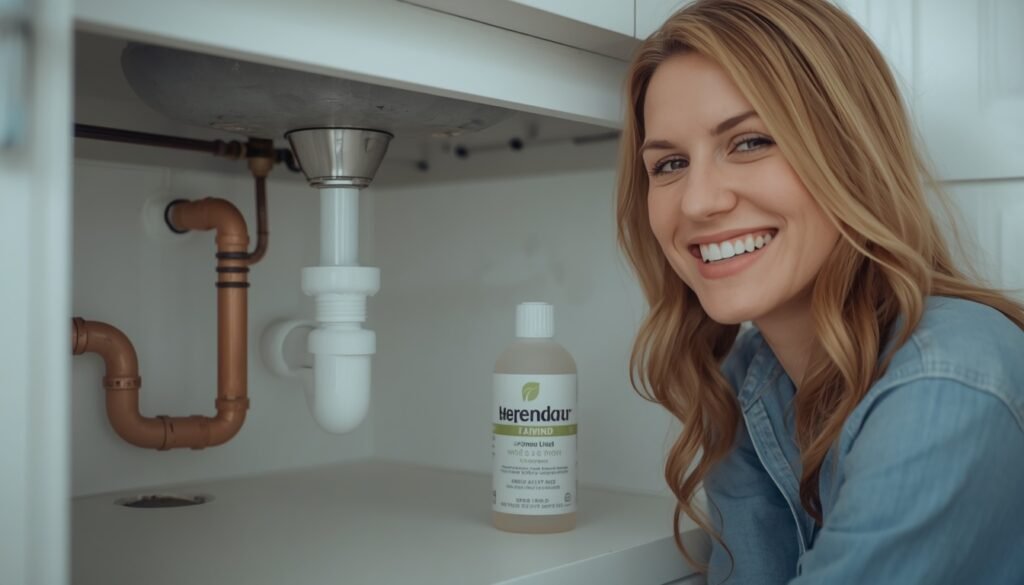
2. **Apply Bio-Enzyme Drain Cleaner (Post-Mechanical or for Maintenance):** Once mechanical methods have addressed the bulk of a clog, or for ongoing maintenance to prevent buildup, introduce your enzyme pipe cleaner. These products are ideal for digesting organic materials like grease, soap scum, and food particles. Remember their primary function is long-term care and digestion, not instant melting. Always follow the specific product measurements and application instructions to ensure success. For example, Bio-Clean requires mixing 3 tablespoons with 3 pints of water and letting it dwell for hours. This also works wonders for a slow draining sink fix.
3. **Know When to Call a Professional:** Recognizing the limits of DIY is crucial to avoiding catastrophic damage. If mechanical methods fail, or if a bio-enzymatic cleaner doesn’t resolve the issue after proper application, it’s time to call a professional plumber. Recurring blockages, multiple slow drains, or foul odors are often signs of a deeper issue that requires expert diagnosis, such as a sewer camera inspection. Attempting complex repairs without proper knowledge or tools can lead to significant damage and exponentially higher repair costs. A local plumber can provide expert solutions and ensure the problem is truly resolved.
This hierarchical approach not only clears clogs effectively but also preserves your plumbing infrastructure, ultimately saving you money and stress in the long run.
Conclusion
Moving beyond the “quick-fix” mentality when dealing with clogged drains is essential for the long-term health of your home’s plumbing. Harsh chemical drain cleaners offer immediate gratification but at the cost of corroding your pipes, potentially leading to expensive repairs down the line. Instead, embrace a preventative and biologically sound approach with an **enzyme drain cleaner**. By understanding how these natural solutions work, utilizing appropriate mechanical tools, and knowing when to call a professional, you can maintain robust, free-flowing drains and protect your home’s infrastructure. Prioritize pipe integrity and choose eco-friendly, non-toxic methods for a healthier home.
Frequently Asked Questions About Enzyme Drain Cleaners
What is an enzyme drain cleaner?
An enzyme drain cleaner uses beneficial bacteria and enzymes to break down organic matter like grease, hair, and soap scum into water-soluble substances, clearing clogs and preventing future buildup. They are a non-corrosive alternative to chemical drain cleaners.
How long does it take for enzyme drain cleaner to work?
Unlike harsh chemical cleaners, enzyme drain cleaners are not an instant solution. They require “dwell time,” typically several hours or overnight, to allow the bacteria and enzymes to digest the organic material effectively. Consistent use as a maintenance product provides the best long-term results.
Are enzyme drain cleaners safe for septic systems?
Yes, most enzyme drain cleaners are specifically designed to be septic-safe. They support the natural bacterial balance in septic tanks, helping to break down waste without harming the system, unlike many chemical drain cleaners that can kill beneficial bacteria.
Can enzyme drain cleaner clear all types of clogs?
Enzyme drain cleaners are highly effective on organic clogs (hair, grease, food particles, soap scum). However, they will not work on inorganic obstructions like toys, jewelry, or severe mineral buildup. For these types of clogs, mechanical methods or professional plumbing assistance will be necessary.
How often should I use an enzyme drain cleaner?
For preventative maintenance, many homeowners find it beneficial to use an enzyme drain cleaner monthly, or as directed by the product instructions. This helps to prevent buildup before it becomes a significant clog, keeping drains flowing smoothly.