
The pursuit of an instant power drain cleaner often begins with the frustrating gurgle of a slow drain or the sight of standing water in a sink or shower. Homeowners and DIY enthusiasts are constantly on the lookout for a solution that is both powerful and fast-acting to tackle severe clogs. While the desire for a quick fix is understandable, many popular DIY methods can actually worsen the problem or even damage your plumbing system in the long run. This guide will cut through the marketing hype to provide actionable, pipe-safe strategies for clearing stubborn blockages, especially those caused by hair, and highlight the tools plumbers trust most.
Key Takeaways
- Chemical drain cleaners often cause more harm than good, corroding pipes and making clogs worse over time.
- Mechanical tools like drain snakes and hair removal sticks are the most effective and pipe-safe solutions for severe clogs, especially hair.
- Understanding the type of clog and using the right tool for the job is crucial to avoid costly damage and ensure long-term drain health.
- The Search for Instant Power: What You Need to Know About Fast-Acting Drain Cleaners
- The Most Common DIY Drain Cleaning Mistakes That Make Clogs Worse
- Effective & Pipe-Safe Solutions for Stubborn Clogs (Especially Hair)
- Beyond DIY: When to Call a Professional for Unyielding Clogs
- The True “Instant Power” is in Smart Clog Removal
- Frequently Asked Questions
The Search for Instant Power: What You Need to Know About Fast-Acting Drain Cleaners
When a drain clogs, the immediate thought is often to find an instant power drain cleaner – something that promises to blast through any blockage with minimal effort. The market is saturated with products claiming to be heavy duty drain openers, designed to tackle even the most severe obstructions. However, true effectiveness isn’t always about the most aggressive chemical or the loudest promise. Often, the most powerful solutions are those that target the specific type of clog without harming your plumbing system. Understanding the difference between a quick fix and a lasting solution is key, especially for persistent issues like hair clogs or grease buildup that demand a more strategic approach.
The Most Common DIY Drain Cleaning Mistakes That Make Clogs Worse
Many homeowners, in their urgency to clear a blocked drain, inadvertently make mistakes that can exacerbate the problem, damage pipes, or even create hazardous situations. These common errors often stem from a misunderstanding of how drains work and the limitations of certain DIY tools. While the goal is to find an instant power hair clog remover or a similar fast solution, rushing into a fix can lead to bigger plumbing headaches.
Homeowners most often worsen drain clogs by five key errors. First, forcing a drain snake or using the wrong-size cable can scrape pipe walls, push the blockage deeper, or even snap the auger. Second, improper plunger technique—failing to fully seal the drain, using rapid up-and-down strokes, or using a toilet plunger on a sink—can cause the clog to compact instead of loosen. Third, attempting DIY hydro-jetting with a garden hose or high-pressure nozzle lacks the necessary pressure and can flood the area or damage pipe joints. Fourth, repeatedly applying chemical cleaners corrodes PVC and older metal pipes over time. Finally, repeatedly poking rigid tools like wire coat-hangers into the trap can dent or perforate the pipe.
Why Over-Reliance on Chemical Cleaners Can Harm Your Pipes
The allure of an instant power drain cleaner that you simply pour down the drain is strong. Products marketed as commercial strength drain cleaner promise rapid results for stubborn clogs. However, these chemical solutions often contain harsh, corrosive ingredients like lye or sulfuric acid. While they might appear to dissolve a clog quickly, their long-term effects on your plumbing can be devastating. Repeatedly applying chemical cleaners corrodes PVC and older metal pipes over time, thinning them from the inside out. This gradual degradation can lead to leaks, cracks, and eventually, expensive pipe replacements. For a deeper dive into safe alternatives, consider exploring the best drain cleaner for PVC pipes.
The Hidden Dangers of Misusing Plungers, Snakes, and DIY Hydro-Jetting
Beyond chemical damage, incorrect use of common plumbing tools poses significant risks. A plunger, while seemingly straightforward, requires proper technique. Using a sink plunger on a toilet or failing to create a full seal can compact the clog further rather than dislodging it. Similarly, attempting to clear a blockage with a drain snake requires finesse. Forcing a drain snake can damage pipes or push the blockage deeper, making it more difficult to remove. Aggressively maneuvering a snake can scratch internal pipe walls, especially in older systems, leading to future weak points. If you are struggling with a slow draining sink, you might find valuable insights in our guide to slow draining sink fixes.
The idea of DIY hydro-jetting with a garden hose might seem like a powerful solution for a heavy duty drain opener, but it’s largely ineffective and dangerous. A garden hose lacks the necessary pressure to clear severe clogs and can lead to extensive flooding or even damage to pipe joints. Professional hydro-jetting equipment uses specialized nozzles and extremely high pressure, making it a job best left to experts. For more information on professional solutions, check out hydro jetting drain cleaning.
Effective & Pipe-Safe Solutions for Stubborn Clogs (Especially Hair)
Instead of relying on potentially damaging quick fixes, effective and pipe-safe clog removal focuses on mechanical methods. These approaches directly engage with the blockage, making them ideal for truly heavy duty drain opener tasks without risking pipe integrity. When dealing with hair clogs, which are notoriously stubborn, specific mechanical tools are consistently recommended by plumbers.
Plumber-Recommended Mechanical Tools for Hair Clogs
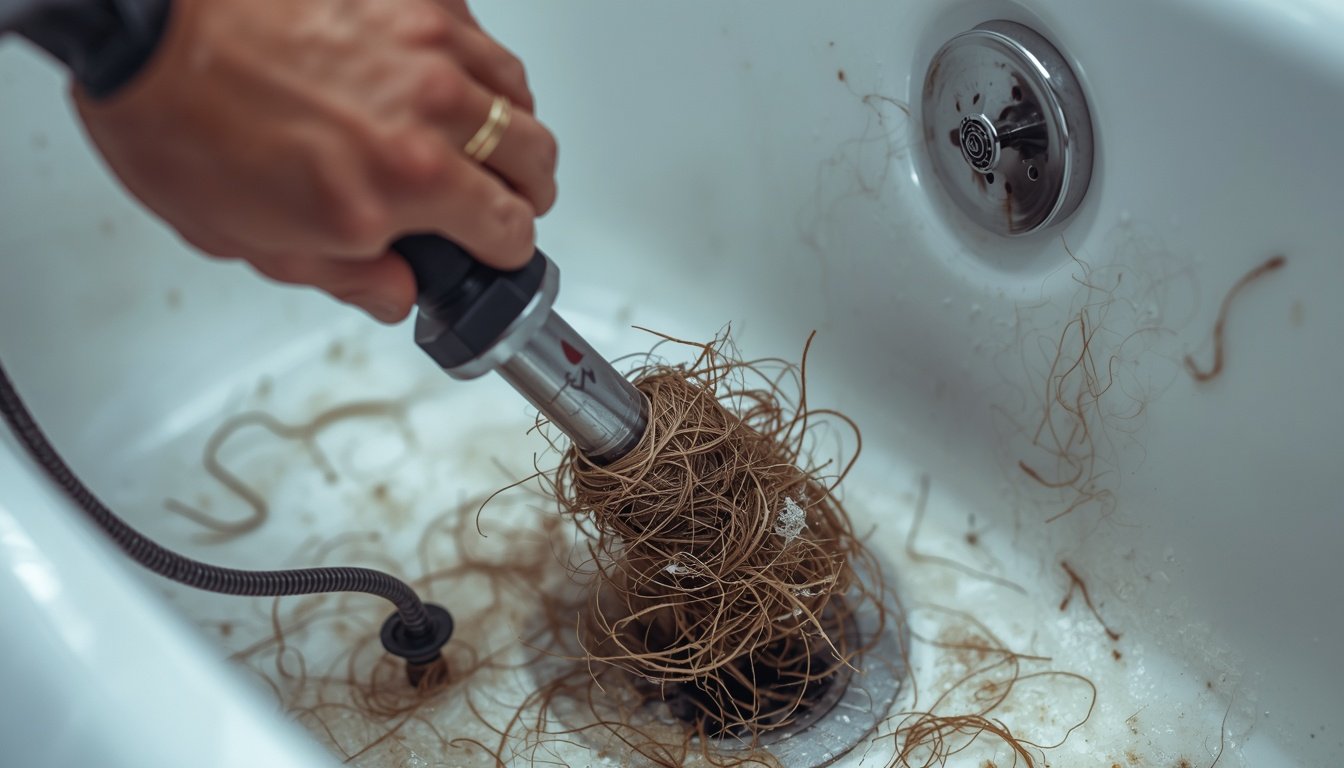
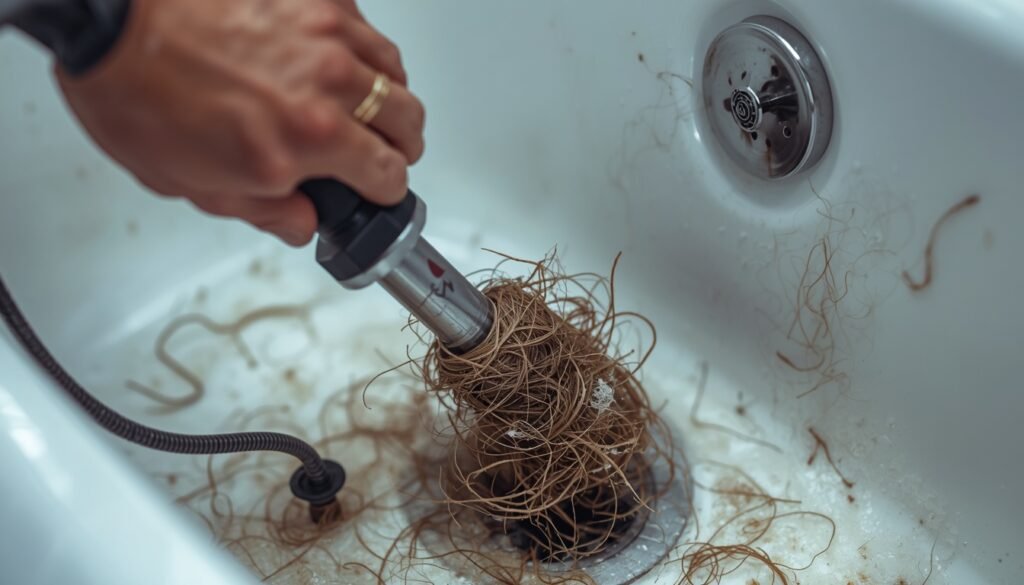
For hair-specific clogs, plumbers consistently recommend three non-chemical tools. The first is a hand-crank drain snake/auger, often sold as a ¼-inch “drain snake” at hardware stores and online for roughly $18-$25. This tool allows you to physically retrieve or break up hair clogs. Second, reusable plastic hair-removal sticks, such as a Drain Weasel or Zip-It, are highly effective. These barbed tools are available at most hardware stores, Target, and Amazon for about $6-$9 per pack and are excellent for pulling out hair from shallow drains. For more details, explore the benefits of a plastic barbed drain snake tool. Lastly, for more challenging clogs, a compact electric drum-style auger (e.g., a 3-amp “Mini Power Auger” sold by Home Depot and Amazon for $35-$55) provides an instant power hair clog remover solution, offering more torque and reach than manual options. These tools are widely available and provide effective mechanical removal of hair without harming pipe material.
When to Consider Enzymatic Cleaners (and their Limitations)
Enzymatic or bio-cleaners offer a gentler alternative to harsh chemical products. These cleaners use naturally occurring bacteria and enzymes to break down organic matter like grease, soap scum, food, and paper. Products like Bio-Clean can be mixed with water and flushed down the drain to clear these types of clogs. They are often considered septic safe drain cleaner options. However, it’s important to understand their limitations. While they are excellent for maintaining drain health and tackling certain organic blockages, they are generally not an instant power main line cleaner or a fast-acting solution for severe, compacted clogs, especially those dominated by hair. Many enzymatic cleaners, such as Zep Drain Defense Enzymatic Drain Cleaner Powder, explicitly state they are “Not for hair clogs” and require a “Long process time” (often several hours or overnight) to be effective. For comprehensive information on protecting your septic system, refer to our guide on enzyme drain cleaner septic safe methods.
Beyond DIY: When to Call a Professional for Unyielding Clogs
While DIY methods can resolve many common drain issues, it’s crucial to recognize when a clog is too complex or severe for homeowner intervention. Continuing to apply DIY solutions to an unyielding clog can not only be frustrating but also lead to greater damage and significantly higher costs. It’s essential to use the right tools correctly and recognize when it’s time to call in professionals.
If you’ve tried appropriate mechanical tools like a drain snake and still can’t clear the blockage, or if you suspect a deeper issue like a main line clog, it’s time to call a professional. Persistent slow drains across multiple fixtures, foul odors, or water backing up into different areas of your home are strong indicators of a problem beyond simple DIY fixes. Attempting to force a solution in these scenarios can lead to burst pipes, sewer line damage, or other serious plumbing emergencies. Additionally, if chemical cleaners have been used and failed, a plumber will have to deal with hazardous, corrosive liquids, which can increase the cost and danger of the repair. Professional plumbers have access to commercial strength drain cleaner tools like hydro-jetting equipment and sewer cameras that can accurately diagnose and safely clear complex blockages without damaging your pipes. For more on the costs associated with professional services, see our article on drain cleaning cost 2026.
The True “Instant Power” is in Smart Clog Removal
Ultimately, the true “instant power” in drain cleaning comes not from a bottle of harsh chemicals, but from a strategic and informed approach. This means understanding the type of clog you’re facing, using appropriate, often mechanical, tools, and knowing when to call in a professional. Prioritizing pipe health and long-term functionality over the promise of a quick, chemical-based fix will save you money, frustration, and potential plumbing disasters. Embracing effective mechanical solutions and preventative maintenance is the most reliable path to clear drains and a healthy plumbing system, providing a real instant power drain cleaner approach in the long run.
Don’t let a stubborn clog turn into a costly repair. Equip yourself with the right knowledge and tools, or connect with a trusted plumbing professional today to ensure your drains flow freely and safely.
Frequently Asked Questions
Are chemical drain cleaners safe for all types of pipes?
No, chemical drain cleaners can be highly corrosive and are particularly damaging to older metal pipes and PVC. Repeated use can thin pipe walls and lead to leaks or bursts over time. It’s generally safer to avoid them, especially if you’re unsure of your pipe material.
What is the best way to clear a hair clog without chemicals?
For hair clogs, mechanical tools are most effective. Plumbers recommend using a plastic barbed hair removal stick (like a Zip-It) for shallow clogs or a hand-crank drain snake/auger for deeper blockages. A compact electric drum-style auger is also a great option for persistent hair clogs.
Can baking soda and vinegar really clear a severe clog?
While baking soda and vinegar can be useful for minor odor issues or very slight grease buildup, they are typically ineffective against severe or compacted clogs, especially those caused by hair. The reaction is not strong enough to dislodge significant blockages. For more information on this, check out our guide on vinegar and baking soda drain.
When should I call a professional plumber for a clogged drain?
You should call a professional plumber if you’ve tried mechanical methods without success, if multiple drains in your home are slow or backed up, if you detect foul odors, or if water is backing up into other fixtures. These symptoms often indicate a deeper issue that requires specialized equipment and expertise.