


A **clogged shower drain fix** can feel like an urgent puzzle for any homeowner. The immediate urge is often to reach for a quick solution, but many popular DIY methods can cause more harm than good to your home’s plumbing. This guide cuts through the myths, offering plumber approved, non chemical strategies to effectively clear hair clogs and restore your shower’s flow safely and swiftly.
Key Takeaways
- Avoid common DIY drain hacks like baking soda and vinegar or aggressive drain snake use to prevent costly pipe damage.
- Plumbers rely on specific non chemical tools: a flange plunger, hand crank drain snake, and a wet/dry shop vac for effective and safe clog removal.
- Preventative measures, especially simple hair catchers, are the most economical way to maintain clear shower drains and avoid future plumbing headaches.
- Why Your “Quick Fixes” Are Hurting Your Pipes
- The 3 Non Chemical Tools Plumbers Actually Use
- Avoiding the “Drano Trap”: When Chemicals Do More Harm Than Good
- Long Term Maintenance: How to Prevent Future Hair Clogs
- Conclusion
- Frequently Asked Questions
Why Your “Quick Fixes” Are Hurting Your Pipes
When faced with a slow draining shower, the impulse to find a quick **clogged shower drain fix** is strong. However, many common home remedies and aggressive DIY tactics, while seemingly effective in the short term, can inflict significant long term damage on your plumbing system. Forcing a drain snake, for example, risks scarring the interior of your pipes or pushing blockages deeper into the system, turning a minor issue into a major repair. Similarly, relying on popular “natural” hacks like baking soda and vinegar can actually worsen the problem. This combination, often touted as a homemade drain cleaner, can leave behind residue that exacerbates existing clogs and slows drainage further.

Chemical drain cleaners are another widespread mistake. While they promise quick results, these harsh solutions can corrode pipes, especially older metal lines, and thin out PVC from the inside. Over time, repeated exposure to these chemicals weakens the plumbing, increasing the risk of leaks or pipe failure. Understanding these pitfalls is the first step toward a genuinely effective and safe solution for how to unclog bathroom drain without chemicals.
The 3 Non Chemical Tools Plumbers Actually Use
Professional plumbers prioritize safety and efficacy, opting for mechanical solutions over corrosive chemicals for a **clogged shower drain fix**, particularly when dealing with hair clogs. These non chemical tools are not only safer for your pipes but are also highly effective and readily available for US homeowners. Choosing the best drain cleaner hair clog depends on the severity and location of the blockage.
- Flange Plunger: The First Line of Defense
Often confused with a standard cup plunger, a flange plunger features an extended rubber flap designed to create a tighter seal over various drain openings, including shower drains. When used correctly, it creates significant hydraulic pressure that can dislodge hair and soap scum. Most plumbers use this tool first. You can find them at Home Depot, Lowe’s, and Amazon for approximately $8 to $12. - Hand Crank Drain Snake/Auger: For Deeper Hair Clogs
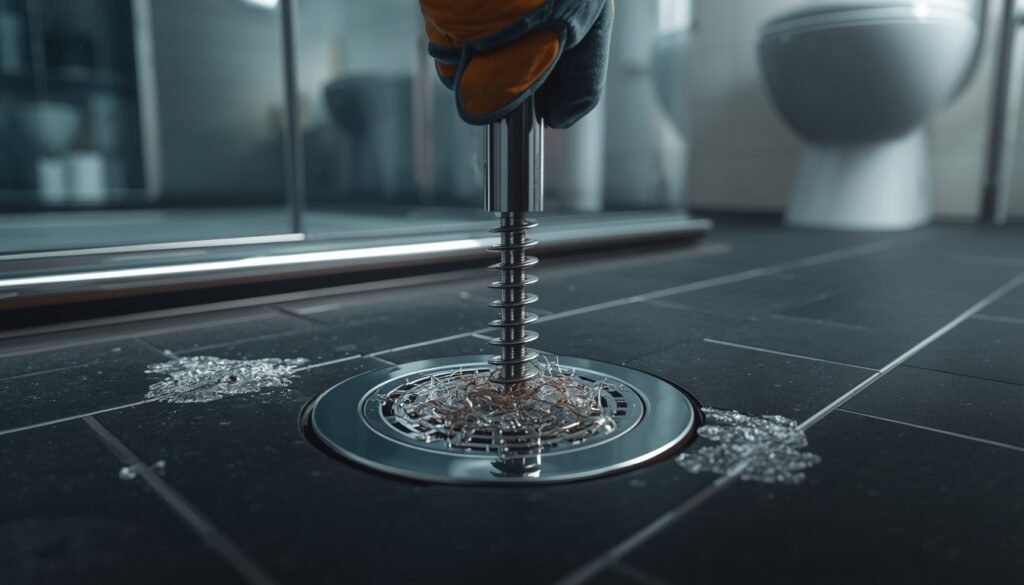
When plunging isn’t enough, a Hand Crank Drain Snake/Auger, also known as a drain auger, is the next step. These flexible tools are specifically designed to navigate pipe bends and latch onto hair clogs, allowing you to pull them out. Aggressive forcing of the snake should be avoided to prevent pipe damage. Models like a 3 inch FlexiSnake are effective for hair. They are available at Home Depot, Lowe’s, and Amazon, typically ranging from $15 to $25. Consider exploring a drill powered drain auger for tougher, deeper clogs, but only if you are confident in its proper use. - Wet/Dry Shop Vac: Suction Power for Stubborn Clogs
For particularly stubborn hair clogs, a Wet/Dry Shop Vac with a narrow nozzle attachment can provide powerful suction. By creating a strong vacuum seal over the drain opening, it can effectively pull out accumulated hair and debris that other methods might miss. This can be especially effective for how to unclog a bathtub drain USA. These versatile tools are stocked at Home Depot, Lowe’s, Walmart, and Amazon, averaging $70 to $90.
Avoiding the “Drano Trap”: When Chemicals Do More Harm Than Good
The allure of a chemical drain cleaner like Drano is understandable: pour, wait, and hopefully, the clog is gone. However, this approach often leads to more severe problems than it solves, making it a “Drano alternative USA” search a frequent one. Chemical drain cleaners generate heat as they react, which can weaken pipe seals and potentially lead to leaks, especially in PVC pipes. Over time, this corrosive action thins the pipe walls, turning a minor clog into a potential pipe replacement scenario.
Furthermore, many chemical and enzymatic cleaners are ineffective against the primary culprit in shower clogs: hair. Enzymatic cleaners, such as Zep Drain Defense, are often best suited for grease, organic food matter, or general maintenance, not stubborn hair clogs. They work by using bacteria and enzymes to break down organic material, which can take hours and may not fully dissolve hair. While some claim to be an “enzyme drain cleaner USA” solution, their limitations on hair based clogs are well documented. Understanding these limitations is crucial to protecting your plumbing system.
| Feature | Chemical Drain Cleaners (e.g., Drano) | Mechanical Tools (Plunger, Snake, Shop Vac) |
|---|---|---|
| Effectiveness on Hair Clogs | Often limited, especially on stubborn clogs. | Highly effective for removing physical hair blockages. |
| Pipe Safety | Generates heat, corrodes pipes, weakens seals, thins PVC. | Safe for pipes when used correctly; no corrosive action. |
| Reaction Time | Can be slow (hours to overnight) and often requires multiple applications. | Immediate results; clogs are physically removed. |
| Environmental Impact | Harsh chemicals can harm waterways and household occupants. | Minimal to no environmental impact. |
| Cost Effectiveness | Repeated purchases, potential for costly pipe repairs. | One time purchase of tools, prevents future damage. |

Long Term Maintenance: How to Prevent Future Hair Clogs
The best **clogged shower drain fix** is often prevention. Shifting from an “emergency reaction” mindset to a proactive approach can save US homeowners significant time, money, and frustration. Hair is the predominant cause of shower drain blockages, and the most cost effective solution to avoid recurring clogs is the incorporation of simple mechanical barriers.
Investing in a high quality shower drain hair catcher is a game changer. These inexpensive devices sit over or inside your drain, capturing hair before it enters your plumbing system. Regular cleaning of these strainers prevents hair buildup and keeps your drains running freely. There are numerous shower drain hair catcher reviews available to help you choose the best model for your specific drain type.
Beyond hair catchers, consider these routine practices to avoid a slow draining shower quick fix scenario:
- Regular Flushing: Periodically flush your shower drain with hot water after use to help move along any soap scum or small debris before it accumulates.
- Avoid Soap Scum Buildup: Many bar soaps contribute to soap scum, which combines with hair to create stubborn clogs. Consider using liquid body wash which tends to rinse away more cleanly.
- Scheduled Maintenance: Even with preventative measures, a professional drain cleaning every few years can help clear any lingering buildup and ensure optimal drainage. You can learn more about drain maintenance service to see if it’s right for your home.
Conclusion
Effectively addressing a **clogged shower drain fix** doesn’t require harsh chemicals or aggressive tactics that jeopardize your home’s plumbing. By understanding the dangers of common DIY myths and embracing plumber approved non chemical tools like the flange plunger, hand crank drain snake, and wet/dry shop vac, you can resolve blockages safely and efficiently. Moreover, by implementing simple long term prevention strategies, particularly the use of hair catching devices, you can maintain clear drains and avoid future plumbing emergencies. Prioritize your pipes’ longevity and your peace of mind.
Frequently Asked Questions
Is baking soda and vinegar truly bad for shower drains?
Yes, while popular, the baking soda and vinegar combination is generally ineffective for clearing significant clogs and can even exacerbate the problem by leaving behind a thick residue that further obstructs the drain. It is best to avoid this method for a clogged shower drain fix.
What is the best way to remove hair from a shower drain without chemicals?
The most effective non chemical methods for removing hair from a shower drain include using a flange plunger, a hand crank drain snake or auger specifically designed for hair, or a wet/dry shop vacuum with a narrow nozzle attachment for suction. These tools physically remove the clog without damaging your pipes.
How often should I clean my shower drain to prevent clogs?
Ideally, you should clean your shower drain hair catcher after every few showers, or at least weekly, to prevent hair buildup. For the drain itself, a monthly flush with hot water can help. If you notice slow draining, address it immediately with mechanical tools to prevent a full blockage.
Can chemical drain cleaners damage PVC pipes?
Yes, chemical drain cleaners can be particularly damaging to PVC pipes. The chemical reactions involved often generate heat, which can weaken the pipe material and seals, potentially leading to leaks or pipe failure over time.
When should I call a professional plumber for a clogged shower drain?
You should call a professional plumber if mechanical methods like plunging and snaking do not clear the clog, or if the clog is recurring frequently. Also, if you suspect a deeper issue in your main line, or if you’re uncomfortable using plumbing tools, a professional can diagnose and fix the issue safely.