

Drain maintenance service isn’t just another home expense—it’s a meaningful, measurable way to slash emergency plumbing costs and disruptions, all while keeping life running smoothly for busy homeowners.
Key Takeaways
- Enrolling in a scheduled drain maintenance service can reduce emergency plumbing calls by up to 90% and save $300–$1,200 annually.
- Transparent pricing, reliable scheduling, and customized drain maintenance plans deliver not just peace of mind but a clear return on investment.
- Pairing professional preventive drain cleaning with a practical homeowner checklist nearly eliminates clog risks and unwelcome surprises.
Table of Contents
What “annual drain cleaning service” actually delivers
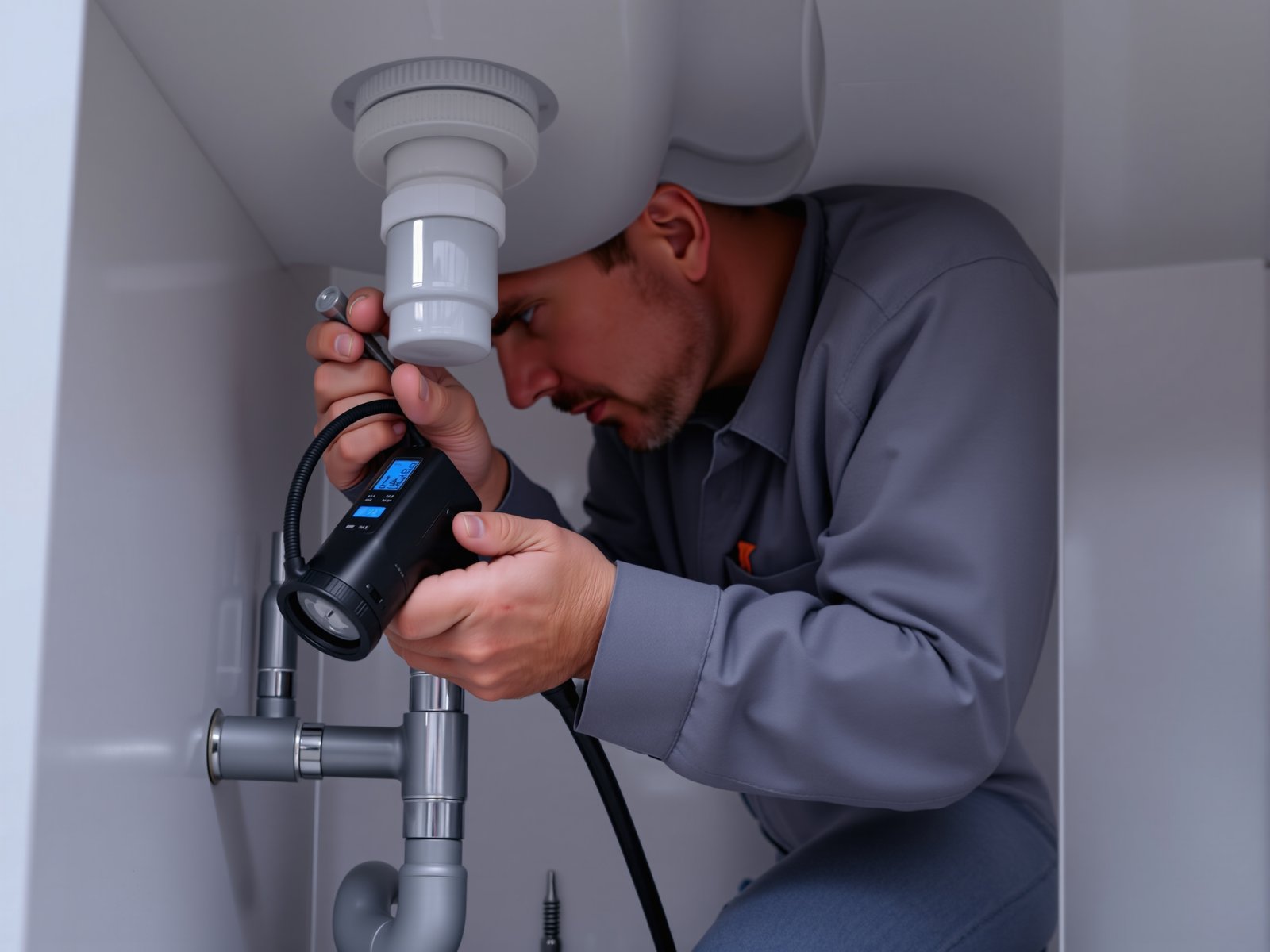
When you sign up for an annual drain cleaning service, you go far beyond a simple unclog or quick fix. A professional scheduled drain cleaning typically includes a multi-point inspection, mechanical clearing (snaking, augering, light jetting), camera-based diagnostics to reveal hidden issues, eco-friendly enzyme treatments when suitable, and detailed reporting you can reference all year. The result: you get ahead of buildup, blockages, or root intrusion before they turn into costly, disruptive surprises.
There’s a clear difference between a last-minute, one-off emergency call and an enrolled maintenance plan. The former reacts after you’ve lost time, caused a mess, or incurred collateral damage. The latter prevents issues, providing a plan where issues get addressed during planned visits—not crises. In fact, enrolled homeowners see up to a 90% drop in emergency calls, meaning more weekends and evenings uninterrupted by water backups or unexpected messes. (source)
Curious about DIY methods? Check out our clogged drain fixes every homeowner should know if you want to understand the basics before going pro.
Cost vs. benefit: How much homeowners save by choosing preventive drain cleaning
Cost is always top-of-mind for informed homeowners. On average, a drain maintenance service plan runs $150–$850 per year, depending on your region, home size, frequency, and whether premium camera diagnostics or enzyme products are included. In contrast, each emergency call can set you back $150–$500 (or more)—with many homes experiencing 2–3 events in a bad year. Add in indirect costs (lost work, water cleanup, sewer gas odor, potential pest control, and appliance damage), and one emergency can easily spiral above $1,000.
Households that use preventive drain cleaning plans consistently report net annual savings from $300 up to $1,200, depending on risk factors. Here’s how it breaks down for different risk levels:
| Household Risk | Annual Emergencies (expected) | Annual Emergency Cost ($150–$500/incident) | Preventive Plan Cost | Net Benefit (Year) |
|---|---|---|---|---|
| Low (2 people, no pets, new pipes) | 0.5–1 | $75–$500 | $150–$200 | $150–$350 |
| Medium (family, older pipes, moderate kitchen use) | 1–2 | $200–$1,000 | $350–$500 | $300–$700 |
| High (large household, pets, old trees, heavy kitchen use) | 2–3+ | $500–$1,500+ | $500–$850 | $700–$1,050 |
Besides saving money, you drastically reduce stress and property risks. (source)
Looking for details on how much pro cleaning really costs? Read our full drain cleaning cost guide for 2026 to compare plans and avoid overcharges.
The impact on emergency incidents and household disruption
Switching from “wait for disaster” to a scheduled drain cleaning plan transforms how your home runs. Emergency calls drop by 80–90%. Households go from losing dozens of hours yearly (waiting for plumbers, cleaning up, rearranging routines) to just a few brief, predictable appointments each quarter or year. The indirect wins pile up fast—no more late-night water shutdowns, ruined weekends, or repeated plumbing stress.
Consider the example of a family who enrolled in quarterly cleaning. Instead of their traditional two annual backups (costing $900+ after hours, cleanup, and property repairs), they faced zero emergencies the next year. The savings weren’t just financial—family schedules, laundry routines, and kitchens kept moving, completely uninterrupted. For homes with health sensitivities (elderly, babies, pets), this peace of mind is priceless. (source)
If you’re struggling with stubborn bathroom clogs now, check out our guide for quick fixes for stubborn bathroom clogs as a stopgap until your plan is set up.
Top customer frustrations with drain maintenance services (and how to avoid them)
No maintenance plan is worth it if you can’t trust the provider. The top complaints from real users—across hundreds of reviews—are easy to avoid if you know what to require and what’s non-negotiable:
- Hidden or unexpected fees: Always demand a detailed, itemized quote upfront. Choose fixed pricing, not open-ended “hourly” arrangements. If you see energy, “bio-treatment” or equipment charges tacked on at the end, walk away.
- Missed or delayed appointments: Reliable companies guarantee appointment windows and notify in advance of delays. Ask about their real missed-appointment rate and enforce it in your contract.
- Incomplete or rushed cleanings: Require before/after inspection footage (camera or at least photos) and checklists showing every drain/location serviced. Don’t accept “just cleared the kitchen” as a report for the whole house.
- Poor communication: Insist on clear, accessible visit reports and technician explanations every time. If you have to chase paperwork, consider changing providers.
- Lack of proper equipment: Skilled techs arrive with industrial-grade augers, real inspection cameras, and eco-safe enzyme products. If your provider can’t list (and show) their tools upfront, reconsider hiring.
Looking for eco-friendly, pipe-safe solutions? Explore enzymatic drain cleaning sticks for an in-depth look at non-corrosive drain prevention approaches.
What top-ranking articles miss — actionable elements to include in this post
Most articles discussing drain maintenance service skip the details that actually protect your home. Homeowners want plug-and-play solutions, not generic advice. Here’s what you need that’s often missing elsewhere:
- Customized cleaning schedules: Adjust frequency based on household size, number of bathrooms, kitchen use, and pets. A two-person home does not need the same plan as a busy five-person household with toddlers and pets.
- Integration with water-softener and filter maintenance: Hard water and dirty filters create mineral/algae buildup. Sync filter changes with your drain plan for bonus risk reduction.
- Seasonal checks: Roots (fall) and freeze-thaw (late winter) can quietly wreck lines. Confirm your provider will do seasonal camera inspections, not just snaking and leaving.
- Camera evidence with every cleaning: You deserve before-and-after diagnostic videos showing what was fixed or prevented—especially if you’re paying for an annual drain cleaning service.
- Explicit warranty terms: If a drain clogs again within 90 days, you should have no extra charge for a callout. Insist on written, clear guarantees.
- Homeowner checklist: Between visits, keep drains safer with a short action list—monthly hot water flushes, hair/grease catchers, and quick visual checks.
Take a look at our complete home guide for top drain fix products to build your own standby toolkit.
A pragmatic drain maintenance plan homeowners can follow (templates)
One size never fits all. Here are three flexible maintenance plan templates you can request or assemble with your provider:
- Basic/Annual Plan: Best for singles/couples, newer homes, minimal kitchen use.
Includes: One annual full-home mechanical clean, camera check, enzyme dosing.
Approximate cost: $150–$200/year.
Expected outcome: Emergency calls drop to near zero. - Standard/Biannual Plan: Fit for families (3–5 people), older pipes, moderate kitchen/utility use.
Includes: Two main system cleanings and camera inspections, sink & tub hair trap checks, quarterly visual checks.
Cost: $300–$500/year.
Result: Average homeowner saves $500–$700/year in emergencies averted. - Premium/Quarterly Plan: For large households, heavy-use kitchens, pet hair, tree roots, or old laterals.
Includes: Four mechanical and enzyme cleanings, quarterly camera diagnostics (main/branch), seasonal defrost/root checks, drain trap replacement as needed.
Cost: $500–$850/year.
Result: Emergencies almost never happen. Hidden issues are caught before they require big repairs.
Many find that the quarterly plan pays for itself simply by preventing a single bad incident or extended household interruption. (source)
Unsure what plan suits you? Use this checklist for assessing your home:
- More than 3 people or multiple young kids?
- Old pipes (over 30 years)?
- Frequent heavy kitchen/cooking or guest use?
- Evidence of previous backups, root repairs, or repeated clogs?
Homeowner checklist: monthly and seasonal actions that complement professional service
Even with the best preventive drain cleaning plan, your habits between visits matter. Here is a practical, 2-minute monthly and seasonal checklist:
- Flush kitchen and bathroom drains with boiling water (monthly) to prevent buildup.
- Install and empty hair-catchers in all shower and tub drains weekly—need a solution? See the silicone tub hair catcher mushroom guide for options.
- Wipe pans and greasy dishes before rinsing—never pour fats, oils, or heavy scraps down the drain.
- Check and clean out sink strainers and P-traps as needed—every season for busy kitchens or laundry rooms.
- If you have a water softener or sediment filter, inspect and service it quarterly to minimize mineral clogs.
- Keep a “no-go” list by sinks (no wipes, dental floss, feminine products, stringy veggies, or coffee grounds).
- Look for any slow-flowing fixtures; report those on your next pro visit instead of waiting until fully clogged.
Following even half these steps alongside your annual drain cleaning service can drive emergency risk down close to zero. (source)
Diagnostics, tools and technologies good providers must use
Don’t settle for low-tech drain maintenance service. The best professionals show up ready to:
- Run a video inspection with a high-resolution drain camera, both before and after cleaning, to find hairline cracks, root intrusion, or slow-growing blockages.
- Use industrial-grade mechanical augers (manual and motorized) sized to your main lateral or branch lines—see drill powered drain auger 25ft for what this looks like in practice.
- Apply hydro-jetting (if piping permits) for a deep clean—learn more in our hydro jetting drain cleaning guide.
- Offer non-corrosive, enzyme-based cleaning agents proven safe for old pipes and septic systems—curious why this matters? Start here: enzyme drain cleaner for hair clogs.
- Document their findings with photos or video footage for your own records, so you always know exactly what was accomplished and any future red flags.
Top-tier providers also educate you on prevention and early symptoms, not just react to emergencies.
How to shop for and contract a reliable drain maintenance service
Choosing the right drain maintenance plan provider cuts future headaches more than any product or tool. Use this walkaway checklist:
- Transparent, upfront hourly or flat pricing—absolutely no hidden line items or “diagnostic fees.”
- Written appointment guarantees—missed appointment penalties or same-day rescheduling clauses.
- Detailed, written scope of service—know what’s included and which drains are covered each visit.
- Proof of current equipment and camera inspection ability, with sample footage/photos on request.
- Clear warranty/guarantee terms—if a drain clogs again within X days, the return visit is included.
- Easy-to-understand cancellation, renewal, and payment policies in plain language.
Essential questions to ask on the sales call:
- How do you handle missed appointments or late arrivals?
- Will I receive before/after proof of cleaning for all drains?
- What’s not covered in the standard plan, and what’s the cost for out-of-scope work?
- Are your technicians certified to use mechanical and camera equipment?
- Is there a guarantee or warranty on drains for repeat clogs within a set period?
To dig deeper into camera inspections and contract pricing, read our guide on sewer camera inspection costs and what to expect from a pro visit.
Quick ROI examples (two mini case studies)
Case Study 1: Small household, new construction
Couple pays $175/year for an annual drain maintenance service. They had one emergency in the prior year ($250). In the plan year, zero emergencies. Net savings (after plan cost): $75 plus avoided disruption and cleanup hassle.
Case Study 2: Family of five, 1970s home, pets, lots of kitchen use
Two emergencies the prior year ($1,000 total). Upgrade to a quarterly plan ($700/year). Result: zero emergencies and significantly improved drain speeds. Net savings: $300 plus zero lost work hours, no weekend cleanup, and extended lifespan of pipes and fixtures.

Over 12 months, both households saw the ROI of preventive plans exceed the cost in dollars, time, and stress saved. Emergencies aren’t just rare—they’re nearly eliminated for plan participants. (source)
Final checklist and call-to-action for readers
Ready for action? Here’s a one-page cheat sheet. Print it, post it, and never get caught off guard again.
- What to Expect from a Good Annual Plan:
- Full-home inspection and mechanical cleaning
- Before/after camera or photo evidence
- Eco-safe enzyme treatment if needed
- Clear, written report and 90-day (or longer) warranty
- Monthly/Seasonal Homeowner To-Do’s:
- Boiling water flush (monthly)
- Hair and grease catcher maintenance (weekly)
- Strainer and P-trap checks (seasonal)
- Review softener/filter status quarterly
- Immediate reporting of any slow drains
- 5 Questions to Ask Before Signing Up:
- Is your pricing fully transparent with no hidden fees?
- Do you guarantee prompt appointment windows?
- Will you provide documentation for every visit?
- Do you use video or photo inspections?
- Is there a clear guarantee for post-service re-clogs?
Bottom line: Homeowners enrolled in scheduled drain cleaning see 80–90% fewer emergencies and usually save $300–$1,200 per year. Don’t wait for another urgent call—contact a local pro and get your drains on a steady maintenance plan to keep drains clear year round.
Bonus resource: Want DIY confidence? Learn how to unclog a drain without chemicals to pair with your scheduled drain cleaning plan.
FAQ
How often should I schedule professional drain maintenance?
For most homes, an annual or biannual plan provides excellent protection. However, large families or homes with old pipes, lots of kitchen use, or frequent pet hair can benefit from quarterly visits. Ask your provider to customize your plan based on actual use, not just a generic schedule.
Does preventive drain cleaning really save money?
Absolutely. Most households with a drain maintenance service save $300–$1,200 annually compared to reactive emergency repairs, mainly by avoiding the high costs and collateral damage of sudden blockages.
What basic tasks should I do between professional visits?
Monthly boiling water flushes, cleaning hair/grease catchers, checking sink strainers, and inspecting visible traps keep drains clear year round and maximize your plan’s value.
How can I be sure my provider won’t charge hidden fees?
Only work with companies that put all terms in writing and itemize every service and product upfront. Transparent fixed pricing, guaranteed scheduling, and included warranty are non-negotiable signs of a trustworthy pro.
Is camera-based diagnostics necessary for every service?
While not mandatory for every cleaning, camera inspections before and after major services catch hidden issues and create documentation for your records and warranties. They are highly recommended, especially for older homes or homes with a history of clogs.
—