
Dealing with a smelly or slow-draining kitchen sink often leads homeowners to search for a reliable garbage disposal cleaner that truly works without causing damage. Many common DIY approaches can actually worsen your disposal’s health, leading to costly repairs and persistent issues. This guide cuts through the noise, focusing on safe, natural, and effective methods to keep your garbage disposal clean, odor free, and functioning optimally for years to come.
Key Takeaways
- Avoid harsh chemical drain cleaners, as they corrode pipes and only offer temporary fixes for garbage disposal issues.
- Natural, enzyme and bacteria based cleaners safely break down food waste and grease, eliminating odors without damaging your unit or plumbing.
- Regular maintenance, beyond cleaning, is crucial for preventing clogs and maintaining a fresh smelling kitchen.
- Stop Worsening the Problem: Common Garbage Disposal Cleaning Mistakes
- Why Your “Quick Fixes” Aren’t Fixing Your Disposal (and Might Make it Worse)
- The Safe & Effective Solution: Understanding Natural Disposal Cleaners
- Choosing the Best Natural Disposal Cleaner: What to Look For
- How to Use Your Garbage Disposal Cleaner for Optimal Results
- Beyond Cleaning: Maintaining a Fresh & Clear Garbage Disposal
- Frequently Asked Questions About Garbage Disposal Cleaners
Stop Worsening the Problem: Common Garbage Disposal Cleaning Mistakes
When your garbage disposal starts to smell or drain slowly, the immediate urge is to find a quick solution. Unfortunately, many common DIY cleaning attempts do more harm than good, especially for your garbage disposal and plumbing system. The most frequent, yet damaging, mistake homeowners make is reaching for chemical drain cleaners. These products are often seen as a fast fix, but their caustic nature has serious downsides.
Chemical drain cleaners are indeed the most common mistake homeowners make with a clogged drain. The chemicals in these products do not stop working once a clog clears; they continue reacting with your pipe walls. Over time, this repeated exposure can thin PVC pipes and corrode older metal lines from the inside out. What seems like a small purchase can quickly escalate into a costly pipe replacement call, as technicians regularly find pipes that have been chemically thinned or damaged. Instead of addressing the root cause, these harsh chemicals merely eat away at the blockage and, more dangerously, your plumbing infrastructure. For safer alternatives to clear clogs, explore how to unclog a drain without chemicals.
Beyond chemical damage, other common missteps include improper use of tools like drain snakes and plungers. While a small hand snake might help with a shallow clog near the drain opening, using it incorrectly can cause significant damage. Forcing the cable, using the wrong size, spinning too hard, or pushing through instead of pulling back can scratch pipe walls, damage fittings, or even get the cable stuck, especially in older drain systems or small branch lines. Improper plunging, such as using rapid up and down motions or not completely covering the drain, can also be ineffective or exacerbate the problem. The goal should always be to use a safe and effective garbage disposal cleaner or method that prioritizes long term unit health.
Why Your “Quick Fixes” Aren’t Fixing Your Disposal (and Might Make it Worse)
Many homeowners turn to popular “quick fixes” like pouring boiling water or a baking soda and vinegar mixture down their garbage disposal, believing these will effectively clean or clear minor clogs. However, these methods are often ineffective and, in some cases, can even make the problem worse. The truth is, these remedies rarely address the actual issues causing odors or slow drainage in a garbage disposal.
Boiling water, baking soda, and vinegar mixtures are frequently touted for drain issues. However, these quick fix methods either fail to break down tougher clogs like grease and food waste, or can even soften plastic pipes [cite: Synthesized Answer]. While baking soda and vinegar create an impressive fizz, the chemical reaction is largely superficial and doesn’t generate enough force or dissolving power to tackle stubborn, built up grime and food particles deep within the disposal or drain lines. For more information on this common myth, refer to Baking Soda Vinegar Drain Cleaner: Does It Actually Work?.
Using improper tools or techniques can also turn a minor issue into a major headache. A drain snake, for instance, requires careful handling. Forcing a snake through tight bends can scratch pipe walls, damage fittings, or push a clog deeper into the system. You might think the drain is clear, but the snake may have only punched a small hole through the blockage, leading to a recurring problem. Similarly, using a cup plunger incorrectly for minor sink, tub, or shower clogs by not covering the overflow opening with a damp rag to keep pressure focused in the drain, can prevent proper loosening of soft debris [cite: Synthesized Answer]. Knowing when to seek professional help for recurring clogs is vital. Sometimes, a professional drain cleaning service is necessary.
These quick fixes often fail to tackle the primary culprits behind disposal issues: accumulated food particles, grease buildup, and organic matter that decompose and produce foul odors. Effective disposal cleaning requires methods specifically designed to break down these materials safely, which is why specialized disposal cleaning tablets or pods or a foaming garbage disposal cleaner are often more effective.
The Safe & Effective Solution: Understanding Natural Disposal Cleaners
Instead of relying on harsh chemicals or ineffective DIY remedies, the recommended safe and effective solution for a clean and odor free garbage disposal lies in natural, bio enzymatic cleaners. These products utilize beneficial bacteria and enzymes to break down organic matter, grease, and food waste without causing any damage to your disposal unit or plumbing system.
Enzyme and bacteria based cleaners work by introducing live bacteria that produce enzymes. These enzymes then go to work, digesting organic material like fats, oils, grease, proteins, and carbohydrates into smaller, water soluble compounds. This process not only clears clogs but also eliminates the source of unpleasant odors, rather than just masking them. For example, Bio-Clean uses a combination of naturally occurring bacteria and enzymes to clear grease, hair, soap scum, food, and paper.
The beauty of a natural disposal cleaner is its safety profile. Unlike corrosive chemicals that can harm your pipes, these biological solutions are gentle on all types of plumbing, including PVC, metal, and even septic systems. Many formulas are odorless, biodegradable, and designed to provide a low impact cleaning solution. This makes them an excellent choice for homeowners concerned about the environment, their family’s health, and the longevity of their plumbing. For further insight into these eco friendly solutions, consider reading about enzyme drain cleaner septic safe options.
Choosing the Best Natural Disposal Cleaner: What to Look For
With a variety of natural disposal cleaner products on the market, choosing the best one requires understanding what features are most important for your specific needs. The ideal product will effectively tackle your issues—whether it is lingering odors, slow drainage from food waste, or grease buildup—while remaining safe for your plumbing.
When selecting a natural disposal cleaner, consider the following:
- Enzyme Types: Look for cleaners that specify a broad spectrum of enzymes, capable of breaking down various organic materials like fats, oils, grease, proteins, starches, and cellulose. Products like Zep Drain Defense Enzymatic Drain Cleaner Powder are specifically formulated with enzymes to tackle food and organic material clogs.
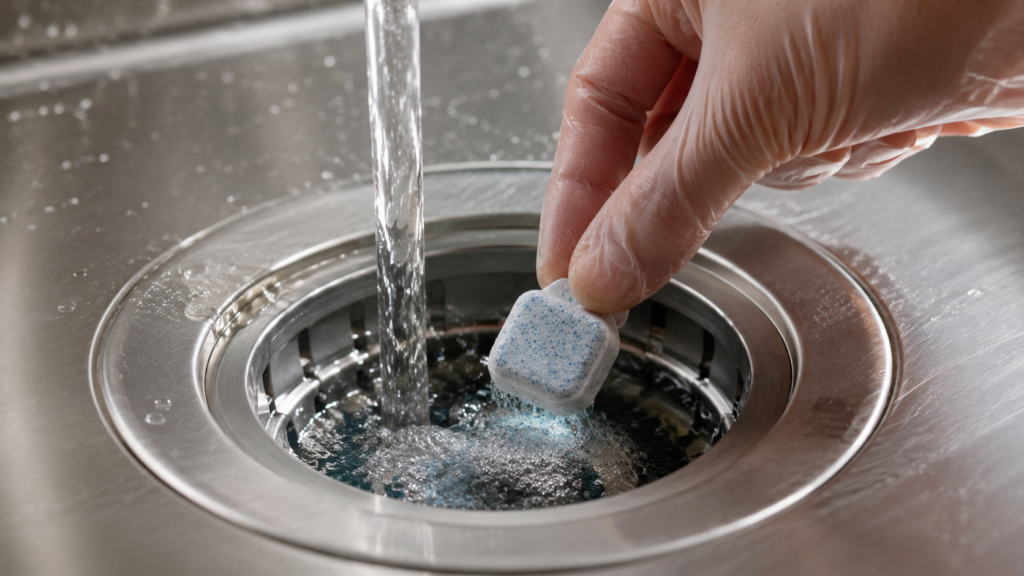
- Formulation and Ease of Use: Natural disposal cleaners come in various forms, including liquids, powders, and disposal cleaning tablets or pods. Tablets and pods are often pre measured and convenient, simply dropped into the disposal. Powders usually require mixing with water before application. Liquids are poured directly. Choose a texture that aligns with your preference for ease of application.
- Application Time: Check the recommended waiting time for the product to work. Some powerful formulas may act within a few hours, while others, like many enzymatic cleaners, might require 6 hours or more to fully digest tough clogs. Plan your application for times of minimal disposal use, such as overnight.
- Specific Clog Types: While many natural cleaners are versatile, some excel at particular issues. If you primarily deal with grease clogs, look for formulas specifically designed to emulsify fats. For persistent odors, ensure the product targets odor causing bacteria. A good garbage disposal deodorizer will break down the source of the smell, not just cover it up. For solutions addressing grease, refer to Grease Clog Kitchen Drain: The 3 Step Proven Method That Actually Fixes It.
- Safety Certifications: Prioritize products that explicitly state they are safe for all plumbing types and septic systems. Many Glisten disposal cleaner products, for instance, are known for their effective and safe formulations.
By carefully evaluating these factors, you can select the most effective natural disposal cleaner to keep your kitchen drains clear and fresh. For preventing future clogs, consider using a drain hair catcher in other household drains.
How to Use Your Garbage Disposal Cleaner for Optimal Results
Proper application is key to maximizing the effectiveness of any garbage disposal cleaner, especially natural, enzyme based solutions. Following these general guidelines will help ensure you achieve optimal results, tackling odors and slow drainage effectively.
- Preparation is Essential: Before applying any cleaner, ensure your garbage disposal is clear of any large food debris. Run cold water and the disposal for about 30 seconds to flush out loose particles. Turn off the disposal and the water.
- Follow Product Instructions Carefully: Each natural disposal cleaner, whether it is a liquid, powder, or disposal freshener pods, will have specific instructions. For enzyme cleaners, a common method involves mixing up to three tablespoons of it with up to three pints of water, then using that water to flush the clogged drain. Pay close attention to the recommended amount and method of application.
- Apply the Cleaner: If using a liquid or mixed powder, pour it directly into the disposal drain. If using tablets or pods, drop the recommended number into the disposal.
- Allow Sufficient Time: This is crucial for enzyme and bacteria based cleaners. They need time to work. Avoid running water or using the disposal for the duration specified on the product label, which can range from several hours to overnight. This allows the enzymes to thoroughly break down the organic matter.
- Flush Thoroughly: After the recommended waiting period, run cold water down the disposal for a minute or two to rinse away the dissolved material. You should notice improved drainage and a fresher smell.
Consistent and correct application of your chosen garbage disposal cleaner will yield the best results, preventing buildup and keeping your unit running smoothly. For comprehensive home maintenance, consider checking out Top Drain Fix Products, Lawn Care & Pet Essentials — Your Complete Home Guide.
Beyond Cleaning: Maintaining a Fresh & Clear Garbage Disposal
While a good garbage disposal cleaner is essential for addressing existing issues, proactive maintenance is paramount for long term unit health. Consistent preventative measures can significantly reduce the frequency of clogs, eliminate persistent odors, and extend the lifespan of your garbage disposal, minimizing the need for intensive interventions.
Here are actionable tips to keep your disposal functioning well and odor free between cleanings:
- Regular Cold Water Flush: Always run cold water before, during, and for at least 30 seconds after using your disposal. Cold water helps solidify grease and food particles, allowing them to be chopped more effectively and flushed through the drain lines, preventing sticky buildup.
- Grind Citrus Peels and Ice: Periodically grind citrus peels (lemon, lime, orange) and a few ice cubes. The ice helps sharpen the grinding elements and dislodge debris, while the citrus provides a natural, refreshing scent. This is a great way to use a natural garbage disposal deodorizer.
- Avoid Problematic Foods: Steer clear of putting fibrous foods (celery, corn husks, artichokes), coffee grounds, eggshells, pasta, rice, and especially grease or oil down the disposal. These items are notorious for causing clogs and dulling blades. For specific guidance, refer to Grease Clog Kitchen Drain: The 3-Step Proven Method That Actually Fixes It.
- Use a Disposal Stopper/Strainer: Utilize a sink stopper or strainer to prevent non food items, utensils, and large food scraps from entering the disposal.
- Regular Deep Cleaning: Even with daily good habits, periodic deep cleaning with a natural disposal cleaner or disposal freshener pods is beneficial to prevent unseen buildup and maintain freshness. Drains usually do not get a lot of attention until something goes wrong, but they should not be overlooked as part of your regular cleaning routine.
By integrating these preventative steps into your routine, you can ensure your garbage disposal remains a reliable and odor free appliance in your kitchen, reducing the need for emergency fixes.
Conclusion
Maintaining a clean and functional garbage disposal doesn’t have to be a battle against foul odors and slow drainage. By understanding the pitfalls of harsh chemical cleaners and ineffective quick fixes, homeowners can instead embrace safe, natural, and effective methods. Opting for enzyme and bacteria based solutions provides a powerful yet gentle approach to breaking down food waste and grease, promoting long term unit health without damaging your plumbing.
Coupled with proactive maintenance habits like flushing with cold water, grinding ice and citrus, and avoiding problematic foods, you can ensure your disposal remains fresh and clear. Making the switch to a reliable garbage disposal cleaner and consistent preventative care will save you time, money, and frustration, keeping your kitchen smelling clean and your plumbing flowing smoothly for years to come. Take action today to protect your home’s plumbing and enjoy a fresher kitchen environment.
Frequently Asked Questions About Garbage Disposal Cleaners
Are chemical drain cleaners safe for garbage disposals?
No, chemical drain cleaners are generally not safe for garbage disposals or your plumbing. They contain harsh chemicals that can corrode internal components of the disposal and thin out PVC or metal pipes over time, leading to leaks and costly repairs. It is best to avoid them and opt for safer, natural alternatives.
How often should I clean my garbage disposal?
For optimal maintenance and to prevent odors, it’s recommended to clean your garbage disposal thoroughly with a natural cleaner once a month. In between deep cleanings, you can maintain freshness by grinding ice cubes and citrus peels periodically.
Can I use baking soda and vinegar to clean my garbage disposal?
While baking soda and vinegar create a fizzing reaction, they are largely ineffective at breaking down the tough grease and food particles that cause clogs and odors in garbage disposals [cite: Synthesized Answer]. They are not strong enough to be a reliable garbage disposal cleaner and can sometimes be counterproductive. Natural enzyme based cleaners are a more effective and safer choice.
What are the benefits of using an enzyme based garbage disposal cleaner?
Enzyme based garbage disposal cleaners use natural bacteria and enzymes to break down organic matter like food waste, grease, and soap scum, eliminating odors at their source. They are safe for all types of plumbing and septic systems, biodegradable, and do not cause corrosive damage, making them an environmentally friendly and pipe friendly solution.
What foods should I avoid putting in my garbage disposal?
To prevent clogs and extend the life of your disposal, avoid putting fibrous foods (celery, corn husks), coffee grounds, eggshells, pasta, rice, potato peels, and especially grease or cooking oil down the drain. These items can build up, create blockages, and dull the grinding elements.