
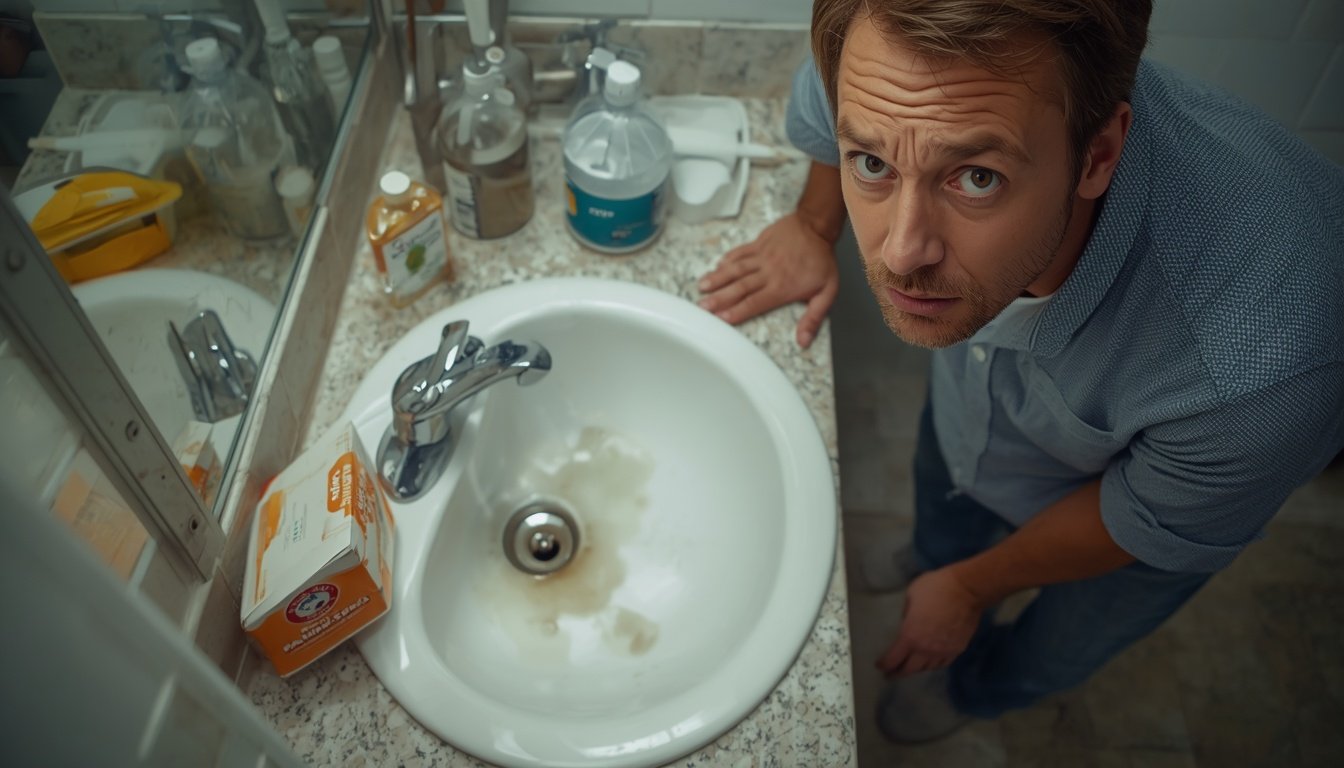
The quest for a perfect baking soda vinegar drain cleaner often leads homeowners down a path of frustration, offering little relief for stubborn clogs and potentially masking deeper plumbing issues. Many popular DIY methods, while appealingly simple, frequently fall short of solving the actual problem, leaving you with recurring blockages and a false sense of security.
Key Takeaways
- Baking soda and vinegar solutions are generally ineffective for significant clogs and should not be relied upon for serious plumbing issues.
- Improper use of common drain cleaning tools like plungers and snakes can cause severe damage to your pipes, pushing clogs deeper or leading to costly repairs.
- Plumbers recommend specific, affordable non-chemical tools such as handheld hair-snakes, mini hand augers, and flexible drain brushes for safely clearing most common clogs, especially those caused by hair.
- Debunking Popular DIY Drain Cleaner Myths (And Why Baking Soda & Vinegar Might Not Be Enough)
- The Hidden Dangers of Common DIY Drain Cleaning Mistakes
- Plumber-Approved Non-Chemical Tools for Stubborn Clogs (Especially Hair)
- Knowing When to Stop DIY and Call a Professional
- Conclusion
- Frequently Asked Questions (FAQs)
Debunking Popular DIY Drain Cleaner Myths (And Why Baking Soda & Vinegar Might Not Be Enough)
Many homeowners turn to readily available household items like baking soda and vinegar for drain cleaning, believing these common remedies offer a safe and effective solution for clogs. While the effervescent reaction might seem powerful, it often proves insufficient for significant blockages, particularly those composed of hair, grease, or other dense debris. This reliance on homemade drain cleaner, including the ubiquitous baking soda vinegar drain cleaner method, can create a false sense of security, delaying the necessary and more effective intervention. The chemical reaction produced by baking soda and vinegar is simply too mild to break down serious clogs. Homeowners most often worsen clogged drains by over-relying on harsh chemicals, using plungers incorrectly (rapid up-and-down motions that push debris deeper), forcing a drain snake or choosing the wrong size snake, spinning the cable too fast or pushing it past resistance which can scratch pipe walls, attempting DIY hydro-jetting with a garden hose, and “poking” into the drain with improvised objects—all of which can embed hair and grime further into the pipe or damage fittings.
The Hidden Dangers of Common DIY Drain Cleaning Mistakes
The appeal of a natural drain cleaner DIY approach, often involving a vinegar baking soda drain hack, can sometimes overshadow the potential for harm. Beyond the ineffectiveness of these gentle solutions, improper use of seemingly harmless tools can lead to severe and costly plumbing damage. Forcing a drain snake can damage pipes or push the blockage deeper, making it more difficult to remove. Additionally, forcing a snake through tight bends can scratch pipe walls, damage fittings, or get the cable stuck, especially in older drain systems or small branch lines. Similarly, attempting DIY hydro-jetting with a garden hose is not only ineffective but can cause flooding which will only make matters worse. It may also cause damage to the pipes. These issues are frequently overlooked in generic DIY guides, leading homeowners to unwittingly exacerbate their plumbing problems.
Plumber-Approved Non-Chemical Tools for Stubborn Clogs (Especially Hair)
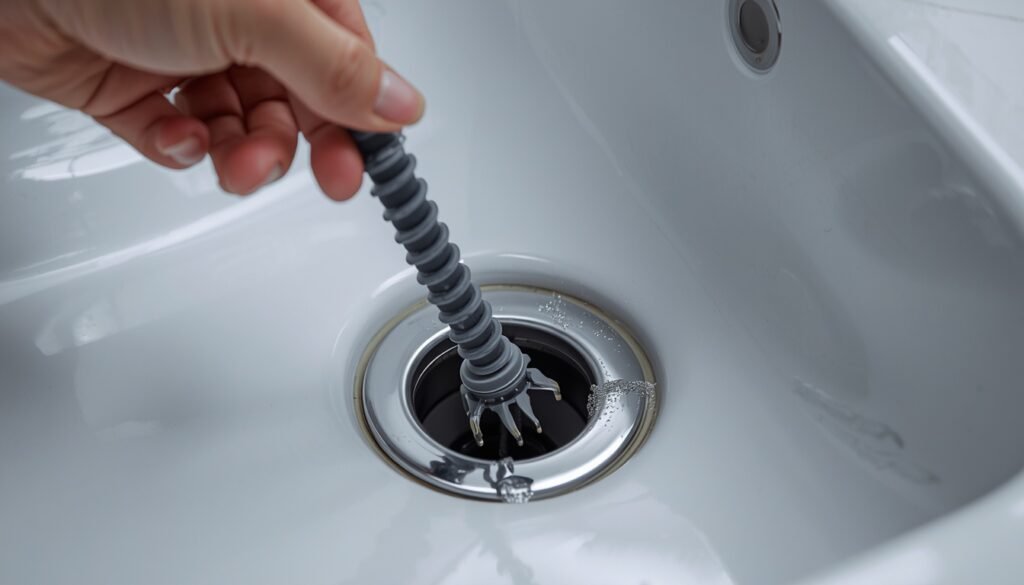
Instead of relying on potentially ineffective or damaging methods, plumbers consistently recommend specific, affordable mechanical tools for safely and effectively clearing common clogs, particularly those caused by hair. These eco friendly drain unclogger options provide targeted action without introducing harsh chemicals into your plumbing system. For instance, a basic plastic barbed drain snake tool, often referred to as a “hair removal tool” or “Zip-It,” is highly effective for shallow hair clogs. You can find these for around $7-$12 at most hardware stores or online. For deeper and more stubborn blockages, a mini hand auger, such as the Oatey 3/8-inch drain cleaning snake, is an excellent investment. These are available for roughly $15-$22 and provide more reach and power than plastic tools, allowing you to tackle more significant obstructions. Another effective chemical free drain cleaning solution is a flexible drain cleaning brush or “drain brush,” like the Cobra Hair-Catch Brush, which typically costs between $10-$18. These tools allow you to physically remove the clog rather than attempting to dissolve it, offering a more permanent and safer fix. For tougher blockages, exploring a drill powered drain auger 25ft can provide the necessary power. Maintaining your drains can also be assisted by using a silicone tub hair catcher mushroom to prevent future hair buildup. For preventative measures, especially for older pipes, consider using an enzymatic drain cleaner safe for old pipes.
Knowing When to Stop DIY and Call a Professional
Recognizing the limits of your DIY efforts is crucial to prevent further damage and increased repair costs. While it’s tempting to keep trying to unclog drain with baking soda or other home remedies, a persistent blockage often signals a more serious issue that requires professional attention. Continuing to attempt to clear a stubborn clog with improper methods can lead to more severe damage, increased repair costs, and hazardous conditions. For instance, if chemical cleaners fail, a plumber will have to deal with hazardous, corrosive liquids, which can increase the cost and danger of the repair. This not only makes the plumber’s job more difficult but also significantly drives up the cost of the repair. If your attempts at chemical free drain cleaning with mechanical tools don’t yield results, or if you suspect a deeper issue like a main line clog or tree roots, it’s always safer and more economical in the long run to call a professional. They have the specialized equipment and expertise to diagnose and resolve complex plumbing problems without causing additional damage. Timely professional intervention can save you from far more extensive and expensive repairs down the line. If you are ever in doubt, it is better to call a same day plumber near me. You can also review drain cleaning cost 2026 to prepare for professional assistance.
Conclusion
While the idea of a simple baking soda vinegar drain cleaner is appealing for its accessibility and perceived eco-friendliness, it’s vital for homeowners to understand its limitations for significant clogs. Over-reliance on ineffective DIY methods or improper use of tools can escalate minor issues into major plumbing emergencies. By debunking common myths and highlighting the hidden dangers of certain DIY mistakes, we empower homeowners to make informed decisions. Opting for plumber-approved non-chemical tools for routine clogs and knowing when to call in a professional plumber for stubborn issues will ensure your drains remain clear and your plumbing system healthy. For a comprehensive list of solutions, check out our guide on clogged drain fixes.
Frequently Asked Questions (FAQs)
Can baking soda and vinegar really clear a stubborn drain clog?
For minor clogs like soap scum or light debris, baking soda and vinegar might offer some very limited help due to the mild fizzing action. However, for stubborn clogs involving hair, grease, or significant buildup, this method is generally ineffective and can create a false sense of security, delaying proper intervention. It’s not a reliable solution for serious blockages.
What are the biggest risks of using a drain snake improperly?
Improper use of a drain snake can lead to several problems, including scratching or damaging pipe walls, especially in older or PVC pipes. You can also push the clog deeper into the plumbing system, making it harder to remove, or even get the snake cable stuck in the pipes, requiring professional extraction.
What are some effective, non-chemical tools recommended by plumbers for hair clogs?
Plumbers often recommend simple mechanical tools for hair clogs. These include handheld plastic hair-snakes (often barbed coils), mini hand augers (small drain snakes), and flexible drain cleaning brushes. These tools physically extract the hair and debris without relying on harsh chemicals.
When should I stop trying DIY methods and call a professional plumber?
You should call a professional plumber if DIY methods with mechanical tools don’t clear the clog after a few attempts, if you suspect the clog is deep in the main line, if multiple drains in your home are backed up, or if you notice any strange odors or sounds from your plumbing. Continuing DIY efforts beyond this point can often worsen the problem and lead to more expensive repairs.
Are chemical drain cleaners ever safe or effective to use?
While some chemical drain cleaners promise quick results, many contain harsh chemicals that can corrode pipes, especially older ones, and are hazardous if they don’t clear the clog and a plumber has to intervene. It’s generally advised to use them sparingly, if at all, and only for very minor, specific clogs if absolutely necessary. Mechanical tools and professional services are safer and often more effective long-term solutions.