

pet hair washing machine drain catcher solutions are fast becoming essential in homes with furry pets, yet many people are unsure if these filters truly prevent drain blockages or simply shift the problem. If you’ve ever discovered a washing machine that refuses to drain, chances are stubborn pet hair is a hidden culprit.
Key Takeaways
- Pet hair is a significant cause of washing machine drain clogs—especially in multi-pet households—yet most filters and catchers have mixed results and require regular maintenance.
- Prevention tactics, such as pre-drying clothes and using laundry bags or sheets, are often more effective than relying solely on a pet hair washing machine drain catcher.
- Very few competitor articles discuss real installation challenges, product lifespan, or compatibility with different washer and plumbing setups.
- What Is a Pet Hair Washing Machine Drain Catcher and Why Bother?
- How to Use (and Maintain) a Pet Hair Washing Machine Drain Catcher
- What Goes Wrong? Advanced Insights and Pitfalls with Pet Hair Catchers
- Conclusion: Make the Most of Your Pet Hair Drain Catcher
- FAQs: Pet Hair Washing Machine Drain Catchers
What Is a Pet Hair Washing Machine Drain Catcher and Why Bother?
A pet hair washing machine drain catcher is a device, usually mesh or filter-based, installed on a washer’s drain hose or within the drain area to intercept pet hair before it reaches your plumbing system. It acts as a physical barrier, capturing fur and preventing it from traveling down your drains where it can clump, combine with lint, and cause persistent blockages. Pet hair especially tends to stick to wet fabrics, then accumulates in pump filters, hoses, and even laundry sink traps. Over time, this can lead to slow drainage, failed spin cycles, or expensive clogs.
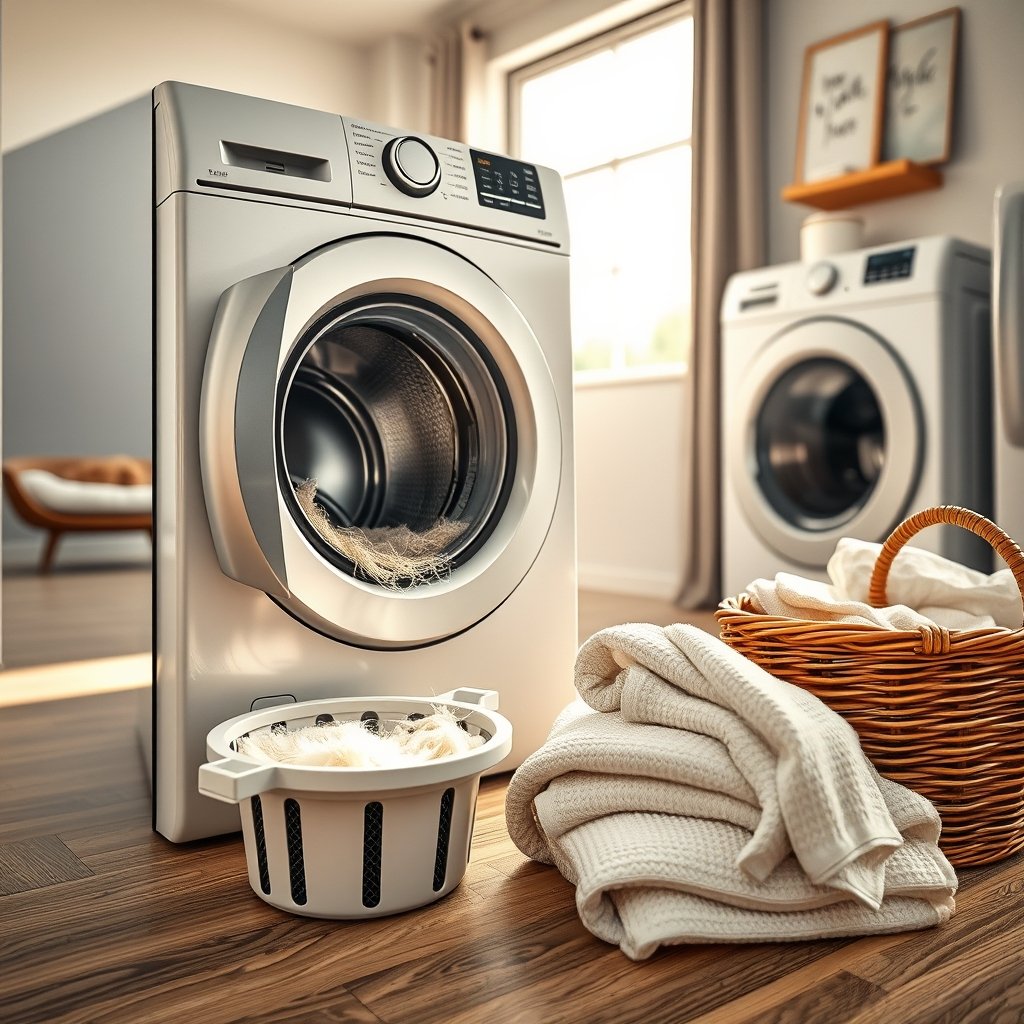
Why bother catching pet hair at all? Because the average home’s laundry room is not designed to cope with dense, sticky animal fur. According to Consumer Reports, pet hair is a significant—if not quantifiable—cause of washing machine breakdowns. Preventative steps save costly plumbing calls and protect your machine’s lifespan.
Want a broader look at keeping your home’s drains and pipes flowing? Check out our complete home guide to drain fix products and pet essentials for practical home care insights.
How to Use (and Maintain) a Pet Hair Washing Machine Drain Catcher
Proper use and upkeep of a pet hair washing machine drain catcher can drastically reduce repair bills. Here’s an actionable, realistic guide any pet parent can follow:
-
Choose the Right Drain Catcher.
Mesh traps, socks for discharge hoses, or washer tub basket filters are all options. Ensure compatibility with your machine’s hose diameter and your plumbing setup. -
Install Carefully.
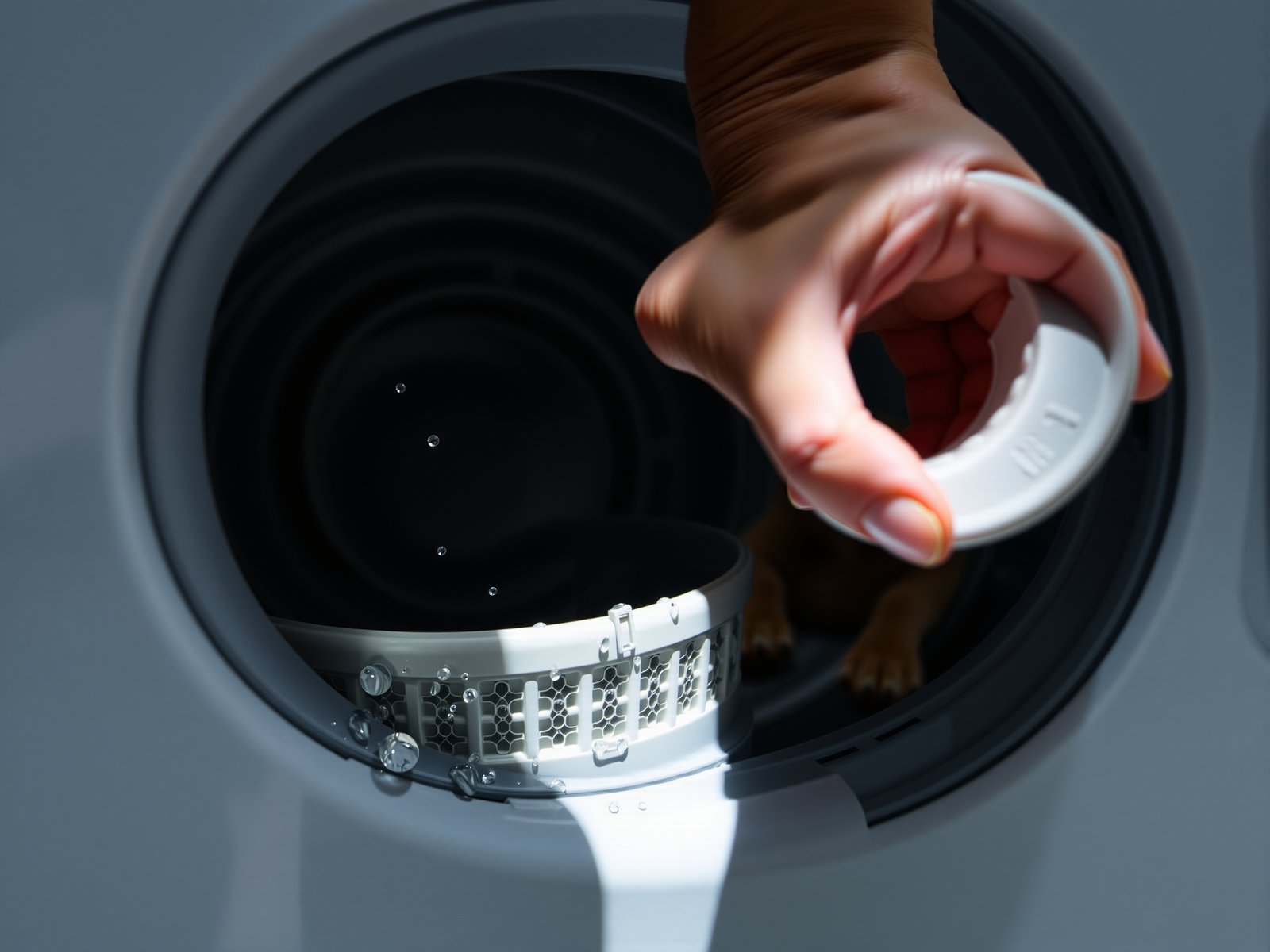
Loosen the washer drain hose, slide the catcher in place, and use zip ties or hose clamps as directed. Do not overtighten! Incorrect installation can cause leaks or dislodge the hose during spin cycles. -
Use Pet Hair Laundry Bags or Sheets.
New products such as reusable pet hair removal bags or sticky sheets help trap fur right inside the drum. Combine these with your drain catcher for double protection. -
Clean Regularly.
Depending on pet breed and laundry volume, clean the catcher weekly or after every three to four loads. If you have multiple pets, check even more often—hair build-up will diminish its effectiveness and may cause water overflow. -
Inspect for Wear and Tear.
Most catchers have a lifespan between a few months and a year. Signs of fatigue include stretched mesh, cracked housing, or loosened fasteners.
-
Deep Clean Your Washer System.
Even with diligent catching, run your washer’s self-clean cycle (empty) once a month. Wipe drum, door seal, and gasket every week with a damp cloth to prevent hidden buildup. -
Evaluate Your Results.
If you still see slow drainage or frequent clogs, review the installation or try an alternative product. Sometimes, a different design (such as a silicone tub hair catcher mushroom for sinks) suits your setup better.
For DIY solutions on all kinds of household drain issues—including tips for reusing or enhancing your hair catcher—see our guide to clogged drain fixes every homeowner should know.
What Goes Wrong? Advanced Insights and Pitfalls with Pet Hair Catchers
No gadget is perfect, and the pet hair washing machine drain catcher is no exception. Here’s what typical users discover after installation, plus the subtle challenges most blog posts overlook:
| Pitfall | Cause | Realistic Solution |
|---|---|---|
| Short lifespan or rapid clogging of catcher mesh | Heavy shedders (e.g., golden retrievers), high laundry volume | Clean and monitor after every few loads. Consider doubling up with pre-drying or laundry sheets. Replace mesh every 2-3 months. |
| Leaks, hose detachment, or poor fit | Wrong size catcher, improper installation | Verify hose size and model compatibility before purchase. Always install per manufacturer’s instructions. |
| Pet hair still sneaking past the catcher | Fine hairs, mesh too coarse, heavily soiled laundry | Combine with upstream solutions: pre-dry, lint rollers, or reusable laundry bags. |
| Unpleasant odors or mold | Wet organic debris trapped in filter or gasket | Clean regularly and run empty hot cycles with mild cleaning agents monthly. |
| No improvement vs. standard washing | Ineffective catcher, poor pre- or post-wash routine | Refer to independent tests: follow Consumer Reports advice for pre-drying and vinegar rinses; swap in a new catcher if needed. |
Notably, 2024’s so-called “pet-specific” washer cycles (like Maytag Pet Pro) show no measurable benefit over standard washing—and can use more water and time, per independent tests. Relying solely on specialized appliances is not a magic bullet for fur-laden laundry.
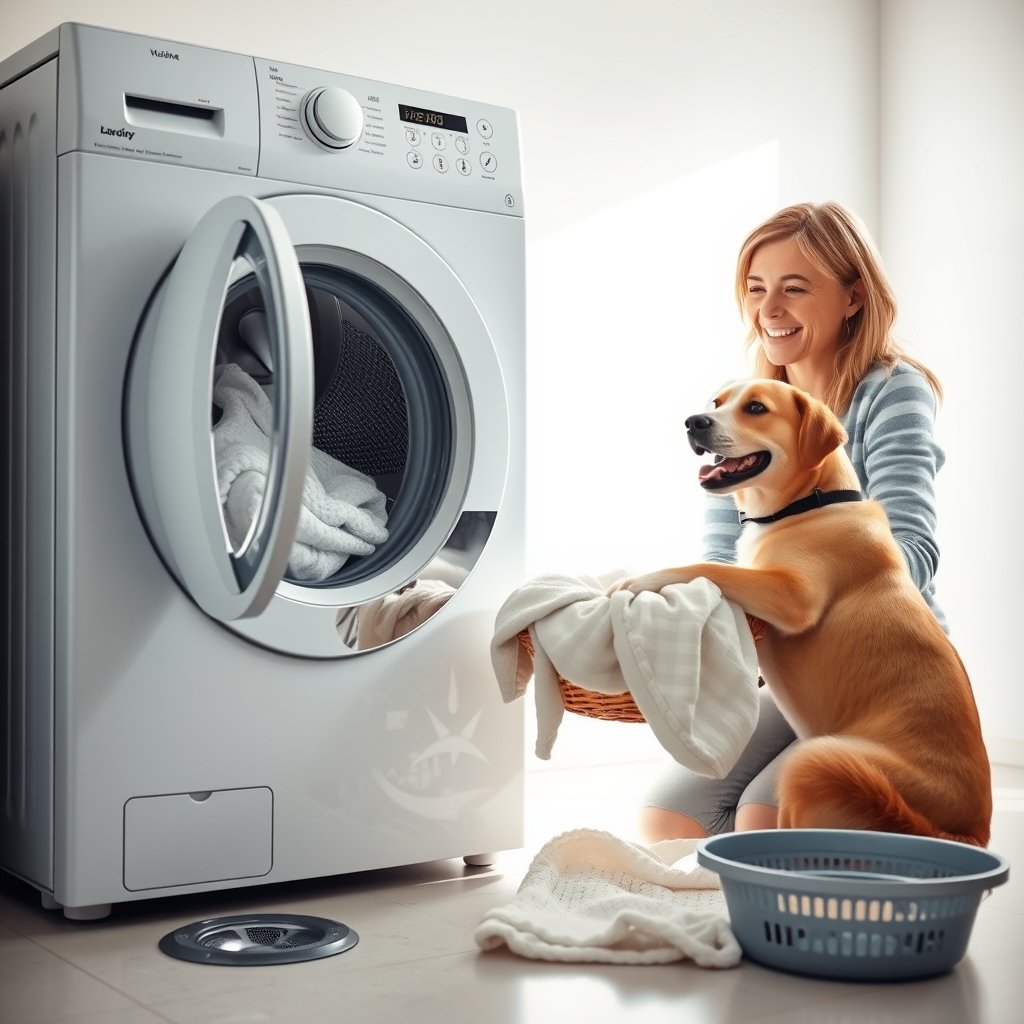
Installing a drain catcher can also present compatibility headaches. Models sometimes mismatch with existing drain hoses or laundry sinks—an issue that’s critical if you’re buying online without seeing dimensions up close. Regular filter cleaning is mandatory; otherwise, hair will overflow the filter, back up the drain, or even force open the hose connection under pressure. For persistent blockages beyond just pet fur, review quick fixes for stubborn clogs to cover every problem area before seeking professional help.
Few guides address the lifespan or maintenance costs of these devices, but feedback suggests lighter-shedding pets (like cats or beagles) allow mesh catchers to last three months or so, while large shedding breeds can clog filters in weeks. Most catchers are relatively affordable, but replacing them often is the hidden price of reliable performance (see source).
If you want to take a proactive, chemical-free approach to keeping old pipes safe, consider enzymatic drain cleaner options detailed in our enzymatic drain cleaner guide for old pipes.
Conclusion: Make the Most of Your Pet Hair Drain Catcher
A pet hair washing machine drain catcher is one practical tool among several with real, but limited, effectiveness—especially for homes with heavy-shedding pets. Routine maintenance, careful installation, and upstream solutions like pre-drying clothes give the best results. Remember, every setup and every pet is different. Monitor your system, combine methods, and adapt as needed.
If you’re determined to protect your laundry machine—and drains—invest in the right mix of prevention and regular care. Still have questions about which solution fits your plumbing? Explore our other home guides, and be sure to try a pet hair washing machine drain catcher that matches your equipment today. Your drains and washer will thank you.
FAQs: Pet Hair Washing Machine Drain Catchers
Do pet hair washing machine drain catchers fit all washer brands?
No. Some are universal mesh socks or baskets, but many require a specific hose diameter or attachment system. Always check compatibility before ordering.
How often should I clean or replace my pet hair drain catcher?
For cat owners or light shedders, every 3 months is typical. If you have a large shedding dog or multiple pets, clean weekly and expect to replace mesh every 1-2 months.
Can I use a drain catcher on a laundry sink or utility tub?
Yes. Mesh lint snares clip over many laundry tub drains, but ensure the fit is tight. See our article on DIY drain repair for homeowners for more adaptable solutions.
Will using vinegar in the rinse cycle help with pet hair removal?
Often yes, if your washer’s manual allows it. Vinegar acts as a natural fabric softener, making it easier for hair to detach during rinsing (read more).
Are pet hair drain catchers reusable or disposable?
Most are reusable but will require regular cleaning and eventual replacement. Disposable mesh traps exist, but are less eco-friendly.