

How to unclog a drain without chemicals is a hot topic among homeowners and renters who want safe, eco-friendly solutions. If you’re tired of harsh chemicals or costly calls to the plumber, you’re not alone. Here’s the real, science-backed path to unclogging your sink or shower — what actually works, what to skip, and how to know when it’s time to call a pro.
Key Takeaways
- Homemade drain cleaners like baking soda and vinegar are gentle and safe, but rarely clear major clogs — mechanical tools are more effective for most physical blockages.
- Always prioritize safety and proper sequence: try plunging or snaking first, then use the baking soda and vinegar method with hot water for mild slowdowns.
- Stop DIY attempts and call a plumber if you have persistent blockages, more than one fixture clogged, or any sign of backup/sewage smell.
Table of Contents
Why most drains clog — the simple causes you can fix yourself
The source of most clogged drains is not mysterious. Hair, grease, soap scum, and food particles build up over time, usually in the P-trap (that U-shaped pipe under sinks), the trap arm, or just beyond the trap seal. These are physical blockages, not chemical ones — which is why most general “natural drain unclogger DIY” solutions struggle to dissolve them.
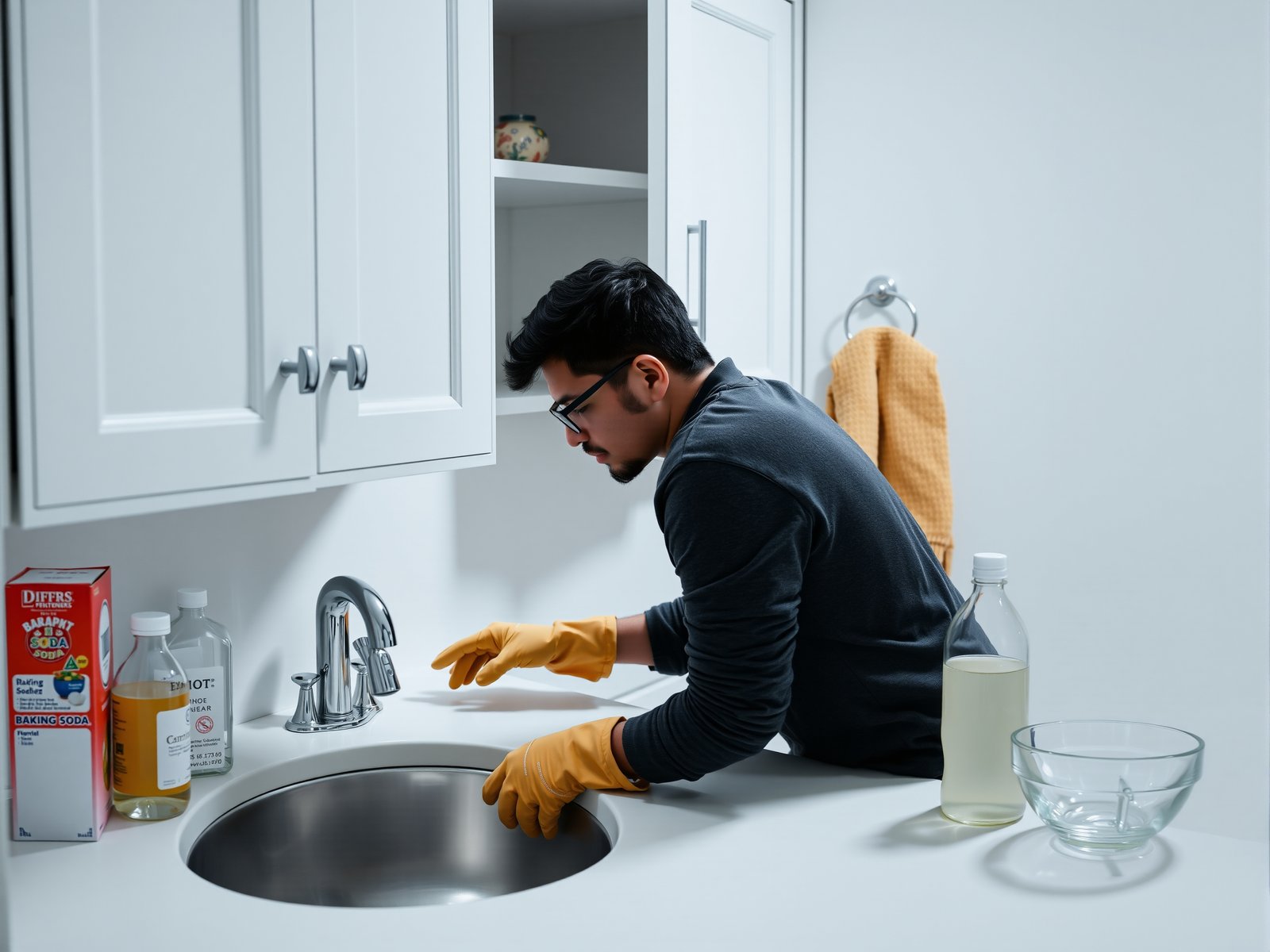
According to Roto-Rooter Milwaukee: “Most clogs are caused by hardened build‑up such as hair, grease or food — physical plugs that baking soda & vinegar can’t ‘melt’.” This means leveraging physical action — like a cup plunger or a hand snake — will work for the majority of household blockages. For more insight on effective products and tools, see this complete home guide.
If your water is draining slowly, the issue is likely a partial blockage. Totally stuck drains usually mean a firmer plug that simple DIY mixes won’t clear. Understanding these simple causes helps you choose the right first steps — and avoid time-wasting or pipe-damaging mistakes.
Step-by-step natural drain unclogger DIY (tested routine)
Ready to try an eco-friendly approach before turning to more aggressive solutions? Here’s an evidence-based, safe routine for minor clogs or slow drains — using everyday household items and mechanical tools.
- Remove any visible debris from the drain opening (hair, soap chunks) using gloves or tweezers.
- Fill the sink or tub with a few inches of hot water — this helps when plunging and lets you spot slower drains.
- Use a cup plunger (not a flange toilet plunger). Make sure you have a tight seal. Give 6–10 sharp plunges, then check if water moves. Repeat once.
- If still sluggish, use a drain snake/zip-strip and gently insert, twist, and pull out debris.
- For lingering slowdowns, apply the baking soda and vinegar method:
- Pour ½ cup baking soda directly into the drain.
- Wait 15 minutes (the powder may help break surface scum).
- Pour ½ cup plain white vinegar in. A fizzing reaction will occur — let it work for 5 minutes. Do NOT seal the drain (let gases escape).
- Finish with 1 full kettle (at least 1 gallon) of boiling water, poured gently for metal (not plastic) pipes. For plastic, use hot-but-not-boiling water.
- Repeat once only if necessary. Avoid endless cycles — if one round does not substantially help, move on to snaking or seek help.
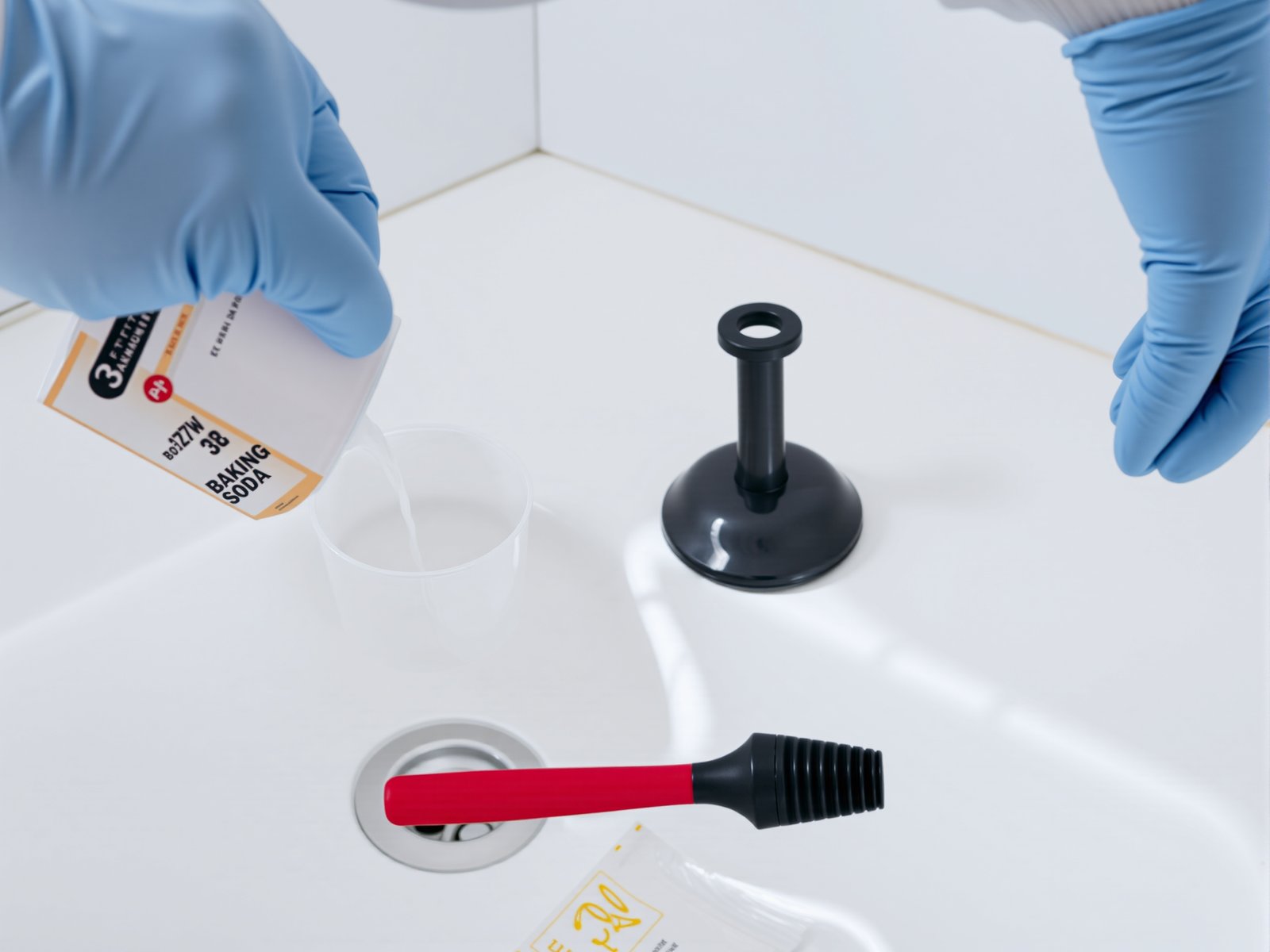
If you want more in-depth troubleshooting for tough bathroom sinks or tubs, check out Quick Fixes For Stubborn Bathroom Clogs.
For older homes, be aware: Plastic or fragile pipes can be harmed by boiling water or excessive force — always test a small area first, and never use high temperatures on old PVC drain pipes.
For eco-friendly maintenance options, monthly enzyme-based treatments can help — details are below in the advanced analysis.
Advanced analysis & common pitfalls
Most home drain clogs can be cleared with persistence and the right tools, but DIY natural methods can have limitations. Here’s what research and user reporting reveal:
| Method | What It Does Well | Biggest Downsides | Expected Timeframe |
|---|---|---|---|
| Baking soda + vinegar + hot water | Safe for pipes, clears light debris/scum, non-toxic | Rarely dissolves grease, hair, or solid plugs; can push debris deeper or create pressure in old pipes | 30–45 minutes |
| Plunger / hand snake | Breaks up solid blockages, immediate results if effective | Requires effort, can be messy, may not reach deep clogs | 10–20 minutes |
| Enzyme-based “green” cleaner | Slowly digests organic buildup (hair, food), maintenance-friendly | Takes several hours to days, ineffective for immediate clogs or inorganic plugs | 8–48 hours |
| Commercial chemical cleaner | Quickly dissolves organic clogs, can clear severe blockages | Highly corrosive, not eco-friendly, toxic fumes | 15–30 minutes |
Common user complaints, according to research and DIY reports:
- No improvement — after repeated attempts with baking soda and vinegar, drain runs just as slowly.
- Mess or splatter — reaction bubbles upward, creating more cleanup.
- Debris shift — physical material is pushed deeper, forming a harder blockage downstream.
- Gas or pressure — fizz can push air/gas into fragile connections or seals, risking leaks.
- Overconfidence — wasting hours with repeated applications, instead of switching to a more effective solution.
For a detailed analysis of enzyme drain cleaning options, see Enzymatic Drain Cleaner Safe For Old Pipes.
Importantly, as noted in this science review and Hunker’s roundup, “the baking-soda-and-vinegar mix produces only a neutral salt-water solution and a brief burst of carbon dioxide, which can loosen very light debris but cannot melt grease, dissolve hair or break down the hardened build-up that causes most clogs.”
If you’re considering enzyme cleaners for ongoing drain maintenance, see this best enzyme drain cleaner guide for effective usage tips and what to expect.
A practical troubleshooting flow:
- 10 minutes: Plunger and hot water flush.
- 30–60 minutes: Baking soda + vinegar routine, light snaking.
- 24–48 hours: Enzyme cleaner (for slow drains or prevention).
- Stop & call a plumber: If the clog persists, affects multiple fixtures, or there are sewage smells or backup signs.
Never use caustic chemical cleaners after trying enzymes or homemade mixtures — reactions may release toxic gases. Trust a licensed plumber (like Roto-Rooter Milwaukee or your local pro) instead.
Want more mechanical fixes? Explore DIY-friendly drain augers and modern clog prevention gadgets in this auger guide and smart drain monitor solutions.
Conclusion & next steps
Natural methods can be safe, satisfying, and less toxic, but they have real limits. Most clogs are physical blockages of hair, grease, or food — how to unclog a drain without chemicals usually means starting with a mechanical tool before adding a baking soda and vinegar routine. If slow flow or partial blockages persist, don’t repeat endlessly; stop, reassess, and don’t hesitate to call a professional for stubborn or complex clogs.
Keep your drains trouble-free with basic preventative habits and use DIY natural fixes only as a first resort — not a miracle cure. Ready for more proven home maintenance tips? Discover the most effective clogged drain fixes for every homeowner here.
FAQs
Does baking soda and vinegar really unclog drains?
It can help with minor slowdowns caused by soap scum or light organic debris. Most real-world clogs (hair, grease, food plugs) will not be dissolved. Plungers or snaking work better for most practical cases. For more, see the Wirecutter plumber advice.
What are the safest ways to unclog a drain naturally?
Start with a plunger or manual snake. If the drain is still sluggish, try the baking soda and vinegar routine followed by hot (not boiling for plastic) water. Do not mix different cleaners, and always wear gloves and eye protection for safety.
Are enzyme-based cleaners effective for clogged drains?
For organic build-up, enzyme cleaners are safe and can help restore flow, but require patience — sometimes several hours to days. They are not immediate fixes for major blockages but do well for preventive maintenance. See Angi’s breakdown for more info.
How do I know when to stop DIY and call a plumber?
If you experience recurring clogs, water backing up in multiple places, unpleasant odors, or standing water after one cycle of each method, it’s time to call a plumber. Further DIY attempts risk pipe damage or worsening the blockage.
How can I prevent my drains from clogging in the first place?
Install hair traps, avoid pouring grease down drains, run hot water weekly, use monthly enzyme treatments, and inspect your P-trap occasionally. For top long-term tips, see this hair catcher guide.