
Navigating drain clogs can be a common homeowner frustration, but understanding how to prevent costly pipe damage is crucial to avoid extensive interventions like trenchless sewer repair. Many DIY drain cleaning attempts, while well-intentioned, can inadvertently cause significant harm to your plumbing system, leading to more expensive and invasive fixes down the line. This guide reveals often-overlooked mistakes and offers safe, budget-friendly, non-chemical solutions for common clogs, helping you protect your pipes and your wallet.
Key Takeaways
- Chemical drain cleaners aggressively corrode pipes, leading to structural weaknesses and potential bursts over time.
- Improper use of plungers and drain snakes can worsen clogs or physically damage pipe interiors.
- Non-chemical, purpose-built tools like drain augers and barbed hair removal coils offer safe and effective solutions for most common blockages.
- The Hidden Dangers of Chemical Drain Cleaners
- Plungers & Drain Snakes: Common Missteps That Worsen Clogs
- The Overlooked Risks: Makeshift Tools & DIY Hydro-Jetting
- Safe & Effective Non-Chemical Solutions for Hair Clogs
- When to Call a Professional Plumber
- Frequently Asked Questions
The Hidden Dangers of Chemical Drain Cleaners
Many homeowners instinctively reach for chemical drain cleaners when faced with a slow or clogged drain. These products often promise quick results, but their corrosive nature poses significant risks to your home’s plumbing. While they might seem to clear a superficial blockage, chemical drain cleaners are notorious for corroding your pipes over time, especially older metal or even some PVC lines. This corrosion can lead to weak spots, leaks, and eventually a burst pipe that causes significant water damage to your home. Repeated exposure to these harsh chemicals thins PVC and corrodes older metal lines from the inside, compromising the integrity of your entire system. Instead of a permanent fix, you are effectively introducing substances that actively degrade your plumbing, potentially necessitating expensive repairs or even a complete pipe replacement, far more significant than the initial clog.
Plungers & Drain Snakes: Common Missteps That Worsen Clogs
Plungers and drain snakes are invaluable tools for addressing common clogs, but their effectiveness hinges entirely on proper usage. Incorrect techniques can not only fail to clear the blockage but can also exacerbate the problem or cause direct damage to your pipes. A common mistake with plungers is using the wrong type for the fixture; there are two types of plungers – a sink plunger with a flat bottom and a toilet plunger with a flange. Using a sink plunger on a toilet, for instance, won’t create the necessary seal for effective suction. Furthermore, employing a rapid, uncontrolled up-and-down motion can push debris deeper into the pipe rather than dislodging it. Instead, ensure the plunger completely covers the drain and plunge slowly up and down, never lifting it from the drain to maintain suction.
Drain snakes, while highly effective for reaching deeper clogs, also come with their own set of potential pitfalls. Forcing a drain snake when it meets resistance can damage pipes or push the blockage further into the system, making it much harder to clear. Additionally, a cheap, flimsy drain snake or using improvised tools like a wire hanger can scratch the interior lining of your pipes. These scratches create rough patches that act as snagging points for hair, grease, and other debris, leading to future clogs and potential pipe deterioration. It’s crucial to feed the snake slowly, rotating it as you go, and never force it. If you feel significant resistance, retract slightly and try a different angle. For effective and safe snaking, consider robust options that are less likely to bend or scratch your pipes. Learn more about effective methods in our guide on Clogged Drain Fixes Every Homeowner Should Know Today.
The Overlooked Risks: Makeshift Tools & DIY Hydro-Jetting
Beyond the well-known dangers of chemicals and improper tool use, homeowners often overlook the significant risks associated with improvised tools and attempts at DIY hydro-jetting. These mistakes, seldom highlighted in competitor blogs, can lead to serious and costly damage. Using makeshift items like wire hangers to clear clogs is a common but dangerous practice. While they may seem convenient, their rigid, sharp edges can easily scratch or puncture the interior lining of your pipes, creating weak points and potential leak sites. Such damage accelerates corrosion and provides new areas for debris to snag, worsening future clogs.
Even more problematic are attempts at DIY hydro-jetting. Homeowners sometimes try to replicate professional hydro-jetting services using inadequate equipment, such as a standard garden hose. However, a garden hose is not designed for this purpose; the pressure from it will likely not be strong enough to effectively unblock a stubborn drain, especially if the blockage is deep or consists of tree roots. Worse, attempting to DIY hydro-jetting with a garden hose can cause flooding, pushing the blockage further into the system, or even damaging your pipes due to uncontrolled pressure or improper technique. Professional hydro-jetting equipment is specifically engineered for precise pressure control and effective debris removal without harming pipes. Without this specialized equipment and training, you risk significant pipe damage and costly water cleanup. Explore the benefits of professional Hydro Jetting Drain Cleaning: 7 Best Ways to Restore Flow for severe blockages.
Safe & Effective Non-Chemical Solutions for Hair Clogs
For cost-conscious homeowners grappling with frustrating, recurring hair clogs, safe and effective non-chemical solutions exist that won’t damage your plumbing or break the bank. Plumbers consistently recommend specific purpose-built mechanical tools for hair-based blockages. These tools are designed to tackle the problem directly and safely:
| Tool | Description | Estimated Cost | Benefit for Hair Clogs |
|---|---|---|---|
| Hand-crank Drain Auger | Often sold as a Flexi-Snake or similar ¼-inch, 10-foot model. | $20-$30 | Mechanically breaks up and retrieves stubborn hair clogs in pipes. |
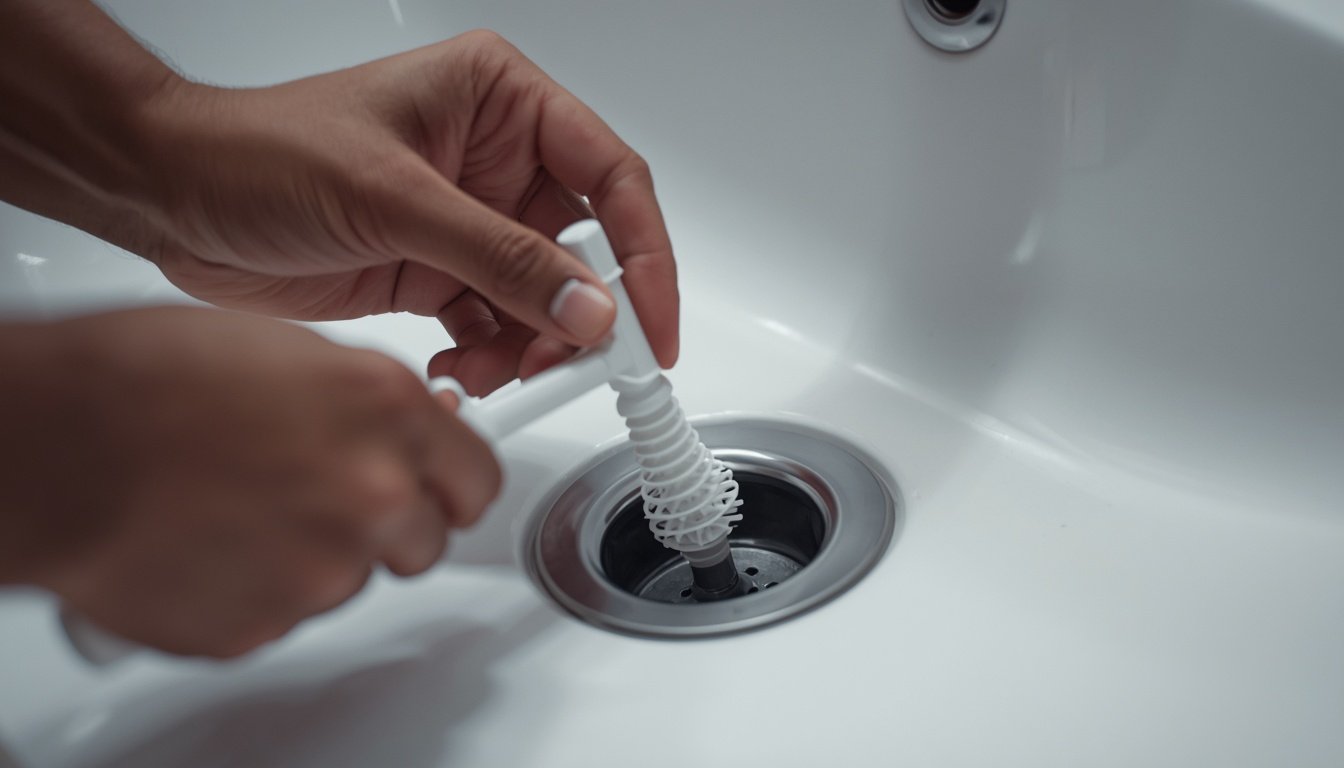
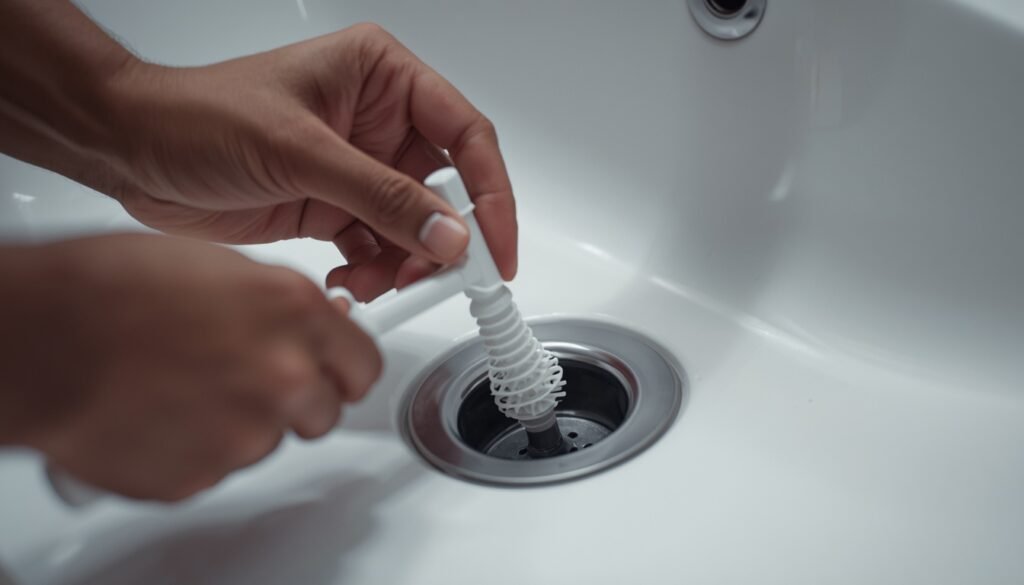
| Zip-It or Barbed Plastic Hair-Removal Coil | A flexible plastic strip with barbs along its length. | $5-$10 | Slides through the trap and grabs tangled hair, pulling it out. An excellent and inexpensive plastic barbed drain snake tool option. |
| Drain-Cleaning Bladder Kit | Attaches to a standard garden hose to generate controlled water pressure. | $15-$25 | Uses water pressure to clear clogs by expanding in the pipe and forcing water through the blockage. |
These mechanical tools are overwhelmingly recommended over chemical cleaners due to their effectiveness and safety. They provide a direct and immediate solution to hair clogs without introducing corrosive agents or risking pipe damage. For preventative measures, consider using enzymatic drain cleaners as a gentler alternative to harsh chemicals. These bio-enzymatic solutions help break down organic matter without harming pipes, making them a safe choice for ongoing drain maintenance. Discover the benefits of Enzymatic Drain Cleaner Safe For Old Pipes.
When to Call a Professional Plumber
While DIY methods offer a convenient first line of defense against minor clogs, it’s crucial to recognize when a problem is beyond your capabilities and requires professional intervention. Attempting to fix a severe or recurring clog with inadequate tools or knowledge can lead to further damage, escalating a minor issue into a major plumbing emergency. DIY methods, while seemingly convenient, rarely provide lasting solutions for complex problems.
You should call a professional plumber if:
- The clog is persistent or recurs frequently after your DIY attempts.
- Multiple drains in your home are slow or clogged simultaneously, indicating a main sewer line issue.
- You notice foul odors coming from drains or water backing up in unexpected places (e.g., toilet water bubbling when you run the sink).
- There’s standing water in your basement or yard, suggesting an outdoor sewer line problem.
- You suspect damage to your pipes from previous DIY attempts or old plumbing.
Professional plumbers have specialized equipment, such as powerful drain augers, sewer cameras for inspection, and high-pressure hydro-jetting systems, to accurately diagnose and safely clear even the most stubborn blockages. Ignoring these signs and delaying professional help can lead to extensive pipe damage, burst pipes, and costly water damage to your home, potentially requiring major interventions like trenchless pipe lining. Investing in professional drain cleaning at the right time can prevent these larger, more expensive plumbing crises.
Conclusion
Preventing costly pipe damage often comes down to understanding the limitations of DIY drain cleaning and opting for safe, effective solutions. By avoiding harsh chemical cleaners, improper plunger and drain snake techniques, and risky makeshift tools, homeowners can safeguard their plumbing system. Utilizing purpose-built mechanical tools for common clogs like hair blockages offers a budget-friendly and pipe-friendly approach. Recognizing when a clog warrants professional attention is equally vital to avoid escalating a simple issue into a major emergency that could ultimately require extensive and expensive services such as trenchless sewer repair. Protect your home’s plumbing by making informed choices and knowing when to call in the experts. Don’t let a minor clog turn into a major plumbing disaster.
Frequently Asked Questions
Are chemical drain cleaners ever safe to use?
No, chemical drain cleaners are generally not safe for your pipes. They contain harsh chemicals that corrode pipes over time, leading to weak spots, leaks, and potential bursts. While they might offer temporary relief, they cause long-term damage, especially to older metal or PVC lines. It’s always better to opt for non-chemical methods or call a professional.
What are the best non-chemical tools for clearing hair clogs?
For hair-based clogs, plumbers recommend purpose-built mechanical tools. These include hand-crank drain augers (like Flexi-Snakes), barbed plastic hair-removal coils (such as Zip-Its), and drain-cleaning bladder kits that attach to a garden hose for controlled water pressure. These tools effectively remove hair without damaging your pipes.
Can I use a garden hose for DIY hydro-jetting?
No, a standard garden hose is not suitable for DIY hydro-jetting. It lacks the necessary pressure and control of professional equipment and can easily damage your pipes, push the clog deeper, or cause flooding. Professional hydro-jetting uses specialized tools for safe and effective clog removal.
How do I know when a clog needs a professional plumber?
You should call a professional plumber if a clog is persistent or recurring, if multiple drains are affected simultaneously, if you notice foul odors or sewage backup, or if your DIY attempts have not resolved the issue. Professional intervention prevents further damage and ensures a lasting solution, potentially saving you from extensive repairs like trenchless sewer repair.
What is trenchless sewer repair and how can I avoid needing it?
Trenchless sewer repair is a method of fixing damaged sewer lines without extensive digging, often involving pipe lining or pipe bursting techniques. You can avoid needing costly trenchless sewer repair by practicing good drain maintenance, avoiding chemical cleaners, using DIY tools correctly, and calling a professional plumber for severe or recurring clogs before they escalate into major pipe damage.