
A high-quality drain hair catcher is an unsung hero in many homes, yet its value often goes unnoticed until a frustrating, costly clog strikes. This guide empowers homeowners and renters to safely and effectively prevent drain hair clogs by spotlighting dangerous and ineffective DIY mistakes, thereby emphasizing the critical preventative role and value of a reliable hair catcher.
Key Takeaways
- Chemical drain cleaners and improper tool use often worsen hair clogs, leading to expensive pipe damage.
- Plumber-approved mechanical tools offer safer and more effective solutions for existing clogs than corrosive liquids or aggressive DIY methods.
- Investing in a high-quality drain hair catcher is the most effective and affordable preventative measure, saving you significant time, money, and hassle in the long run.
Table of Contents
- The Costly Reality: Why Hair Clogs are More Than Just an Annoyance
- Dangerous DIY Drain Cleaning Mistakes That Harm Your Pipes
- Master the Mini Snake: Using Mechanical Tools Safely and Effectively
- Plumber-Approved Solutions for When Clogs Do Happen
- The Ultimate Prevention: Investing in a Quality Drain Hair Catcher
- Frequently Asked Questions About Drain Hair Catchers & Clogs
The Costly Reality: Why Hair Clogs are More Than Just an Annoyance
Ignoring hair in your drains is a ticking time bomb for your plumbing system, leading to far more than just a slow drain. What begins as a minor inconvenience quickly escalates into significant costs and considerable frustration due to subsequent clogs. Many homeowners, in their desperation to clear a blockage, often reach for quick but damaging DIY fixes that only exacerbate the problem, turning a simple hair buildup into a plumbing emergency. The cumulative effect of hair, soap scum, and other debris creates stubborn blockages that restrict water flow, eventually leading to backups and potential water damage. A clogged shower drain hair fix often requires more than just a quick pour of a chemical.
Homeowners frequently worsen clogs by reaching for corrosive liquid cleaners, using a plunger with a rapid up-and-down motion that splashes dirty water and fails to seal the drain, and operating a drain snake incorrectly. These common mistakes often push the blockage deeper or damage the pipes themselves, making the eventual repair more complicated and expensive. Investing in a reliable shower drain hair catcher can prevent these scenarios, safeguarding your plumbing and your wallet.
Dangerous DIY Drain Cleaning Mistakes That Harm Your Pipes
Many homeowners turn to quick DIY methods for clearing a clogged drain, often unaware of the specific dangers and ineffectiveness these approaches can pose to their plumbing. Chemical Drain Cleaners, for instance, are a primary culprit. They might seem like a straightforward solution, but they are the most common mistake homeowners make with a clogged drain. These powerful chemicals do not stop working once the clog is dissolved; they continue reacting with your pipe walls. Over time, repeated exposure can thin PVC pipes and corrode older metal lines from the inside, leading to leaks or even complete pipe failure. What starts as a small purchase can quickly escalate into a costly pipe replacement.
Another common misstep involves improper plunger use. While a plunger is a valuable tool, using it with a rapid up-and-down motion without achieving a full seal can be largely ineffective and messy, splashing dirty water rather than creating the necessary hydraulic pressure to dislodge a clog. This often fails to address the actual blockage and can even push a partial clog further down the line. Preventative measures, like a quality drain fix product such as a SinkShroom hair catcher or a Drain Buddy hair catcher, are far safer and more effective in the long run than these risky, reactive methods.
| DIY Mistake | Common Approach | Potential Damage/Ineffectiveness |
|---|---|---|
| Chemical Drain Cleaners | Pouring corrosive liquids into the drain. | Thins PVC pipes, corrodes older metal lines, creates hazardous conditions for plumbers if professional help is later needed. |
| Improper Plunger Use | Rapid up-and-down motion without a full seal. | Ineffective in dislodging clogs, splashes dirty water, can push clogs deeper if not sealed properly. |
| Incorrect Drain Snake Usage | Forcing the cable, using wrong size, pushing through resistance. | Scratches pipe walls, damages fittings, pushes clogs deeper, can get stuck in older pipes. |
| Boiling Water or Baking Soda/Vinegar Combo | Pouring hot water or a baking soda/vinegar mixture down the drain. | Boiling water can melt PVC pipes. Baking soda and vinegar create a short fizz, often insufficient for tough hair clogs, and can leave behind a solid residue. For more on this, check out our guide on baking soda vinegar drain cleaner. |
Master the Mini Snake: Using Mechanical Tools Safely and Effectively
While some DIY methods are counterproductive, mechanical tools can be highly effective for addressing existing clogs, but only when used correctly. The drain snake, or auger, is a powerful tool for removing hair and other debris, yet improper handling can lead to significant pipe damage. Mistakes such as forcing the cable, using the wrong size, spinning too hard, or pushing through resistance instead of pulling back, can scratch pipe walls, damage fittings, or even push the clog deeper into the plumbing system. It is crucial to understand that a drain snake needs careful handling, especially in older drain systems or small branch lines. Forcing it through tight bends can cause severe internal damage or get the cable stuck, making the problem much worse.
A ¼-inch hand-crank drum auger, typically 10-15 ft long, is an excellent tool for homeowners and can be purchased for roughly $20-$30. This type of mini snake is suitable for most residential clogs, especially those caused by hair in a tub drain hair trap or a sink hair catcher. When using it, feed the cable slowly, crank it when you feel resistance, and then pull it back out. This technique allows the auger to effectively grab or break apart the clog without damaging your pipes. Remember, the goal is to pull the clog out, not push it further into the pipe system. For very shallow clogs, a small plastic hair removal tool is often sufficient. However, resist the temptation to force it too deeply into the drain; it is primarily designed for visible hair near the opening.
Plumber-Approved Solutions for When Clogs Do Happen
When hair clogs do occur, it is essential to use effective, non-chemical, mechanical tools that are recommended by plumbing professionals. These alternatives are far superior to harmful DIY chemical methods, protecting your pipes and ensuring a lasting fix. The three plumber-recommended non-chemical tools for hair clogs are readily available and relatively inexpensive.
Firstly, a disposable plastic hair snake or a barbed zip-it tool is excellent for shallower clogs, typically costing around $5-$9. These tools are designed to grab hair and debris without damaging pipes and are easy to use for quick fixes near the drain opening. For a deeper dive into these tools, check out our guide on the plastic barbed drain snake tool.
Secondly, a ¼-inch hand-crank drum auger, often called a “mini snake,” is a versatile tool for more stubborn clogs further down the line. These can range from 10-15 ft in length and are typically priced between $20-$30. As discussed, proper technique is key with this tool to avoid damaging your pipes.
Finally, a flexible mini-auger hair snake, often sold in multi-packs, provides another effective option for around $8-$12. These are generally thinner and more flexible, making them suitable for navigating tighter bends in the drain system. These tools offer a safe and efficient way to address existing hair clogs, reinforcing better alternatives to harmful and potentially damaging chemical solutions. When choosing tools, consider a silicone drain hair catcher for prevention, and a sturdy stainless steel drain strainer for kitchen sinks, as these also play a role in preventing clogs from forming.
The Ultimate Prevention: Investing in a Quality Drain Hair Catcher
Having explored the pitfalls of reactive DIY solutions and the proper use of mechanical tools for existing clogs, we circle back to the most effective strategy: prevention. Investing in a high-quality drain hair catcher is not just a recommendation; it is a non-negotiable household item for anyone looking to avoid plumbing headaches, expensive professional services, and the frustration of recurring blockages.
While chemical cleaners pose risks like corroding pipes and improper snake use can cause damage, research emphasizes that “most people’s first instinct is to reach for a bottle of chemical drain cleaner, grab a plunger, or attempt a quick fix with a store-bought snake”. This highlights the critical need for a proactive, preventative measure like a drain hair catcher to avoid these dangerous and often ineffective reactive approaches entirely.
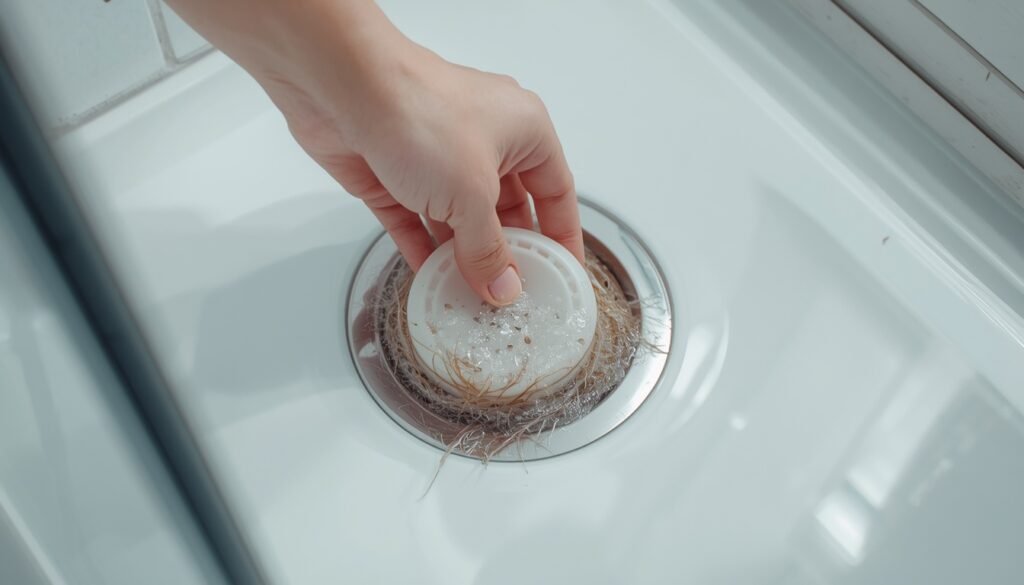
A good drain hair catcher stops hair before it ever becomes a problem, collecting it at the drain opening where it can be easily removed and disposed of. This simple device saves you significant money on professional drain cleaning services, prevents potential pipe damage from harsh chemicals or incorrect tool usage, and reduces the hassle of dealing with standing water and slow drains. From a simple silicone drain hair catcher for your shower to a sturdy metal option for your sink, there are numerous designs available to suit every need. Make the smart choice today and equip your home with the ultimate defense against hair clogs.

Frequently Asked Questions About Drain Hair Catchers & Clogs
How often should I clean my drain hair catcher?
For optimal performance, you should clean your drain hair catcher after every shower or bath, especially if multiple people use the drain. Regularly removing collected hair prevents buildup on the catcher itself and ensures maximum water flow. This simple habit keeps your drain clear and functional.
Are all drain hair catchers effective?
Not all drain hair catchers are created equal. The most effective ones are typically made from silicone or stainless steel, designed with a good seal and appropriate hole sizes to catch hair without significantly impeding water drainage. Cheaper, poorly designed models may allow hair to slip through or clog quickly. It is worth investing in a quality product for lasting results.
Can a drain hair catcher prevent all types of clogs?
A drain hair catcher is highly effective at preventing hair-related clogs, which are among the most common. However, it will not prevent clogs caused by grease, soap scum buildup deeper in the pipes, mineral deposits, or foreign objects accidentally flushed down the drain. For those issues, you might need different preventative measures or tools, such as those discussed in our guide on grease clog kitchen drain.
Is it worth buying a more expensive drain hair catcher?
Generally, yes. More expensive drain hair catchers often feature higher quality materials (like durable silicone or stainless steel), better design for water flow and hair collection, and greater longevity. They tend to fit better and are easier to clean, providing superior long-term clog prevention and saving you money on future plumbing issues. Consider it an investment in your home’s plumbing health.
What is the best way to maintain my drains even with a hair catcher?
Even with a good hair catcher, occasional drain maintenance is beneficial. Regularly flushing drains with hot water (not boiling, especially for PVC pipes) can help clear minor soap scum buildup. For deeper cleaning, consider using an enzyme drain cleaner once a month, as these products safely break down organic matter without harming your pipes or septic system. Avoid chemical drain cleaners entirely.