

Enzyme drain cleaner is becoming the go-to solution for homeowners who want to clear drains gently, protect their pipes, and support a safer environment. But does it really work on tough clogs like hair? Here’s what up-to-date evidence and real buyer experiences reveal—and what homeowners must know first.
Key Takeaways
- Chemical drain cleaners act quickly on hair clogs within 15 to 30 minutes, while enzyme-based options require hours and work better for prevention, not emergencies.
- Enzyme drain cleaners are eco-friendly and pipe-safe, making them the preferred choice for regular maintenance—especially in homes with older or sensitive pipes.
- Enzymatic formulas don’t contain harsh chemicals or cause pipe damage, but they won’t instantly clear major blockages and perform best with regular use.
- What Makes Enzyme Drain Cleaners Different?
- How to Use Enzyme Drain Cleaner: Actionable Steps
- Advanced Analysis and Common Pitfalls to Watch Out For
- Conclusion & Recommendation
- Frequently Asked Questions
What Makes Enzyme Drain Cleaners Different?
Enzyme drain cleaners use naturally occurring bacteria and enzymes to break down organic debris inside your plumbing. Instead of burning through hair, grease, or food waste with caustic chemicals, these products safely digest organic material over time. This is a major reason why products like Bio-Clean and Green Gobbler enzymatic liquid are billed as non-corrosive, eco-friendly, and safe on all pipe types—including older plumbing and septic systems. [source]
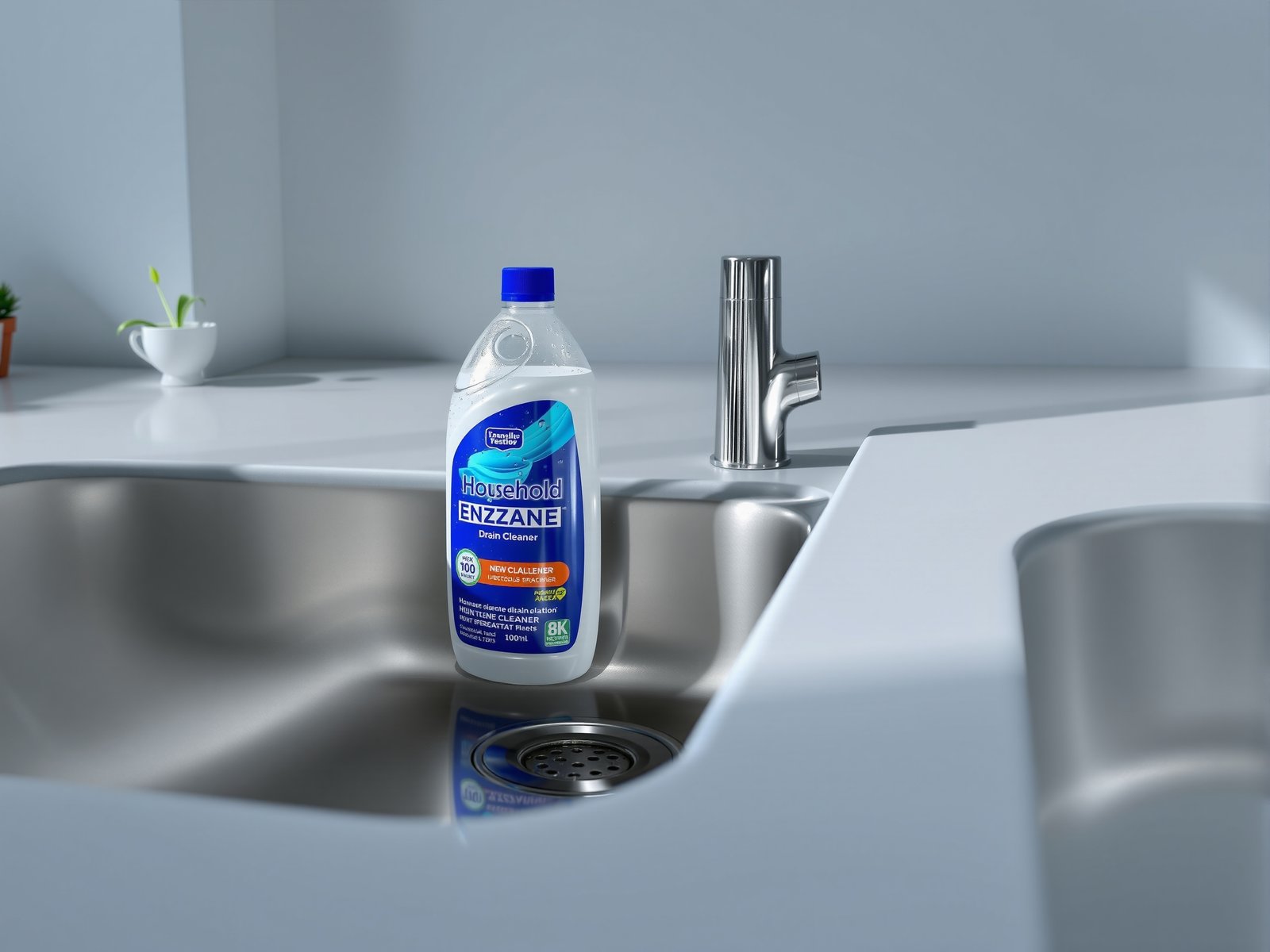
Unlike fast-acting chemical products such as Drano Max Gel, which can dissolve hair clogs in around 15 to 30 minutes, enzyme drain cleaners typically require six to eight hours—or longer. Their power shines in preventing blockages and for monthly maintenance, keeping organic buildup from turning into a full-on clog.
If you want an in-depth review of tools, repair solutions, and eco-friendly drain fixes, check out this home guide to top drain fix products.
How to Use Enzyme Drain Cleaner: Actionable Steps
Enzyme drain cleaners are safe and practical for regular maintenance or mild slow drains. For best results, follow these proven steps:
- Choose the Right Formula: Select a reputable brand such as Bio-Clean or Green Gobbler. Powder or liquid forms are available; powders often work well for main lines, liquids for showers and sinks.
- Prep the Drain: Remove standing water. For sinks, remove stoppers if possible. Wipe or vacuum out visible debris so enzymes can access the organic matter deeper in the pipe.
- Apply the Cleaner: Follow dosage instructions precisely. For most enzymatic cleaners, pour the recommended amount directly into the drain.
- Let It Work Undisturbed: Allow the cleaner to sit for 6-8 hours (often overnight), leaving the drain unused for maximum effect.
- Flush with Warm Water: In the morning, flush with hot (not boiling) water to push debris along and remove residues.
- Repeat as Needed: For stubborn slow drains or routine maintenance, enzymes can be used monthly without pipe damage—unlike chemicals, which should only be used every three to four months to avoid corrosion. [source]
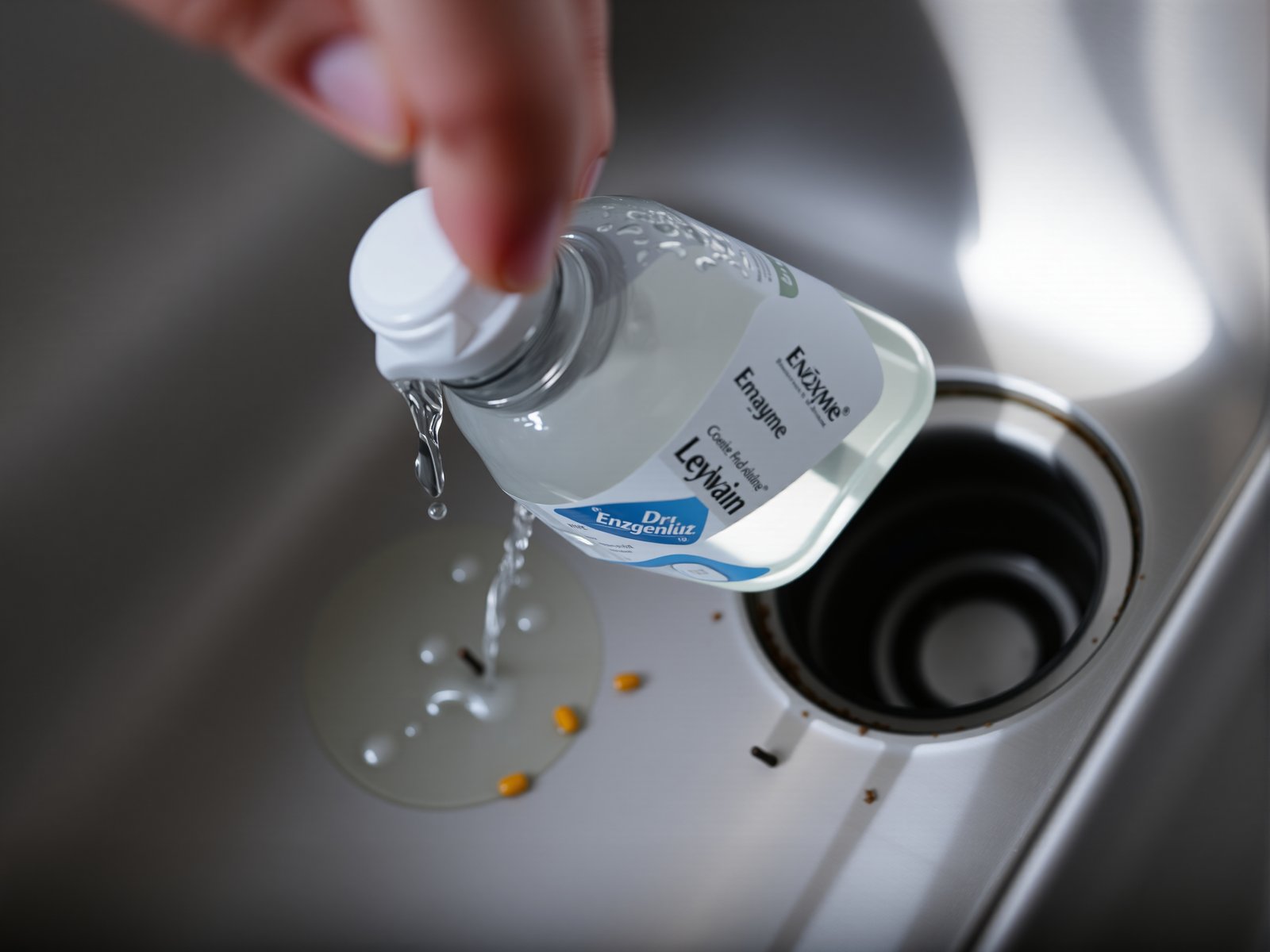
Some enzymatic options, like monthly enzyme cleaning sticks, are especially useful for keeping bathroom sinks fresh and pipes clear—simply drop a stick down the drain monthly as a set-and-forget solution.
When you face an acute clog—especially a complete blockage from hair or foreign objects—you may need to try faster options. This could include a drill powered drain auger, chemical cleaner (with caution), or even calling a pro as covered in guides like clogged drain fixes every homeowner should know.
Advanced Analysis and Common Pitfalls to Watch Out For
Modern enzyme drain cleaners are safe and effective for organic build-up, yet their slow action and overall performance on severe hair clogs come with limitations that honest users need to consider. Here’s where enzyme drain cleaners shine, where they struggle, and how they stack up against chemical alternatives:
| Aspect | Enzyme Drain Cleaners | Chemical Drain Cleaners |
|---|---|---|
| Effectiveness on Hair Clogs | Moderate to low on severe clogs; best for prevention and slow drains | Very high, breaks down hair in 15-30 minutes [source] |
| Speed of Action | 6-8 hours or more, requires patience for noticeable effect | 15-30 minutes for most blockages |
| Pipe Safety | No corrosion, safe for old metal pipes, plastic, and septic systems | Potential corrosion if overused; risk increases with older plumbing |
| Eco-Friendliness | High—biodegradable ingredients, non-toxic | Low—contains lye, bleach, or other caustic agents |
| Maintenance Frequency | Safe for monthly use | Limit to every 3-4 months (corrosion risk) |
| Cost (2026) | $15–$60 (enzyme brands such as Bio-Clean, DrainBO) | $7–$20 (Drano Max Gel, Green Gobbler chemical gel) |
- Common Pitfall 1 – Expecting Instant Results: Many users report disappointment with slow-acting enzymes. Unlike chemical gels, enzymes must be given time and repeated application, especially for recurring hair issues. [source]
- Common Pitfall 2 – Using for Severe Blockages: If your drain is already fully clogged, enzymes may be ineffective unless paired with manual removal or used preventively.
- Common Pitfall 3 – Neglecting Compatibility: Not all enzyme cleaners are equal. Look for specifically labeled “septic safe” products if you have a septic tank, and always check if the formulation targets hair, grease, soap, or food debris.
- Common Pitfall 4 – Skipping Regular Maintenance: Enzymes work best with consistent monthly use, not just after a clog appears. Skipping treatments leads to recurring buildup and costly professional interventions.
Still wrestling with stubborn clogs or want more speed? Deep-dive into specialty hardware and safe alternatives in the quick fixes for stubborn bathroom clogs guide. For organic hair blockages, see side-by-side testing of specialty gels at hair dissolving gel for shower drain. For serious grease clogs, explore industrial grease dissolvers for kitchen sinks.
Conclusion & Recommendation
Enzyme drain cleaner is a smart, pipe-safe option for ongoing maintenance, especially for households that want to reduce the risks of caustic chemicals, pipe damage, and environmental pollution. For severe, urgent clogs—particularly those caused by dense hair—chemical drain openers or mechanical removal tools remain faster and more reliable. However, monthly enzyme treatments keep drains fresh, clear, and extend pipe life. Always choose formulas specifically labeled for your situation (hair, grease, septic compatibility), commit to a regular schedule, and combine with good drain hygiene, like using a mushroom hair catcher or a drain snake for hair-prone fixtures.
If you’re ready to maintain clear pipes, protect your home’s plumbing, and adopt an eco-friendlier approach, start using enzyme drain cleaner for regular upkeep. For step-by-step guides, check out proven solutions for enzyme drain cleaner safe for old pipes.
Frequently Asked Questions
Do enzyme drain cleaners work on hair clogs?
They can break down some organic hair buildup, but may not fully dissolve dense or older hair clogs. Enzyme drain cleaners are best for slow drains and ongoing prevention, rather than clearing a severe blockage. If you need rapid results for a stubborn hair clog, a chemical cleaner or a drain snake tool will likely work faster.
Are enzyme drain cleaners safe for septic systems?
Yes. Most enzyme drain cleaners (such as Bio-Clean, Green Gobbler enzymatic formula, DrainBO) are labeled septic safe. They use natural bacteria and enzymes, which do not disrupt septic balance and actually help process waste. Always check for “septic safe” on the product label.
How long does it take for enzyme drain cleaners to work?
Most enzyme drain cleaners require at least 6 to 8 hours to break down organic debris effectively. For routine maintenance, monthly use keeps build-up from turning into blockages. Severe or complete clogs will not be cleared overnight and might require a mechanical or chemical solution first.
What ingredients are in enzyme drain cleaners?
Enzyme drain cleaners use live bacteria cultures and natural enzymes to digest organic matter (hair, grease, food residue). Specific strains are usually proprietary, but the formulas do not include corrosive lye or bleach, making them pipe- and eco-safe.
Are there downsides to using enzyme drain cleaners?
Enzyme drain cleaners act slowly on existing clogs and sometimes disappoint users expecting instant results. They also will not remove foreign objects or some mineral blockages. Regular, preventive use maximizes the benefits. If you need fast action, consider other methods or see guides on chemical and mechanical options.