

Industrial grease dissolver for kitchen sink is the secret weapon behind clearing the toughest drain clogs in restaurants, commercial kitchens, and even stubborn residential sinks. If you’re battling caked-on grease that standard products can’t touch, this guide will show you what really works, why industrial formulas outperform consumer options, and how to use them safely for powerful, lasting results.
Key Takeaways
- Industrial grease dissolvers use stronger chemical solvents than household products, making them extremely effective on severe kitchen sink clogs.
- Improper use can damage pipes or pose health risks—always follow professional protocols and check for regulatory approvals before use.
- Many guides fail to discuss drain/septic compatibility, recent regulations, or realistic pros and cons; this article covers those critical gaps.
- What Makes Industrial Grease Dissolver for Kitchen Sink Different?
- How to Use Industrial Grease Dissolver in Your Kitchen Sink
- Advanced Analysis & Common Pitfalls
- Conclusion
- Frequently Asked Questions
What Makes Industrial Grease Dissolver for Kitchen Sink Different?
Industrial grease dissolvers for kitchen sinks are powerful chemical blends designed to break down stubborn fat, oil, and grease (FOG) blockages—far beyond what household drain cleaners can manage. Unlike basic detergents or enzyme formulations you might use at home, industrial solutions often rely on hydrocarbon solvents (like mineral spirits, hexane), ketones (acetone, MEK), aromatic hydrocarbons (toluene, xylene), and halogenated solvents (TCE, PCE). These ingredients cut through even caked, hardened grease rapidly.
For commercial kitchens, using an industrial grease dissolver is often the only way to restore full drain flow quickly and avoid costly plumbing calls or downtime. Chlorinated solvents, for example, can dissolve thick grease faster than just about anything allowed in residential products, though their use comes with strong safety caveats and regulatory restrictions.
In contrast, consumer-grade products depend on much milder agents—alcohols, enzyme blends, or soapy surfactants—that are safer for pipes but often ineffective on serious buildup. If standard formulas aren’t working for you, it may be time to consider an industrial option—provided you know the risks and protocols.
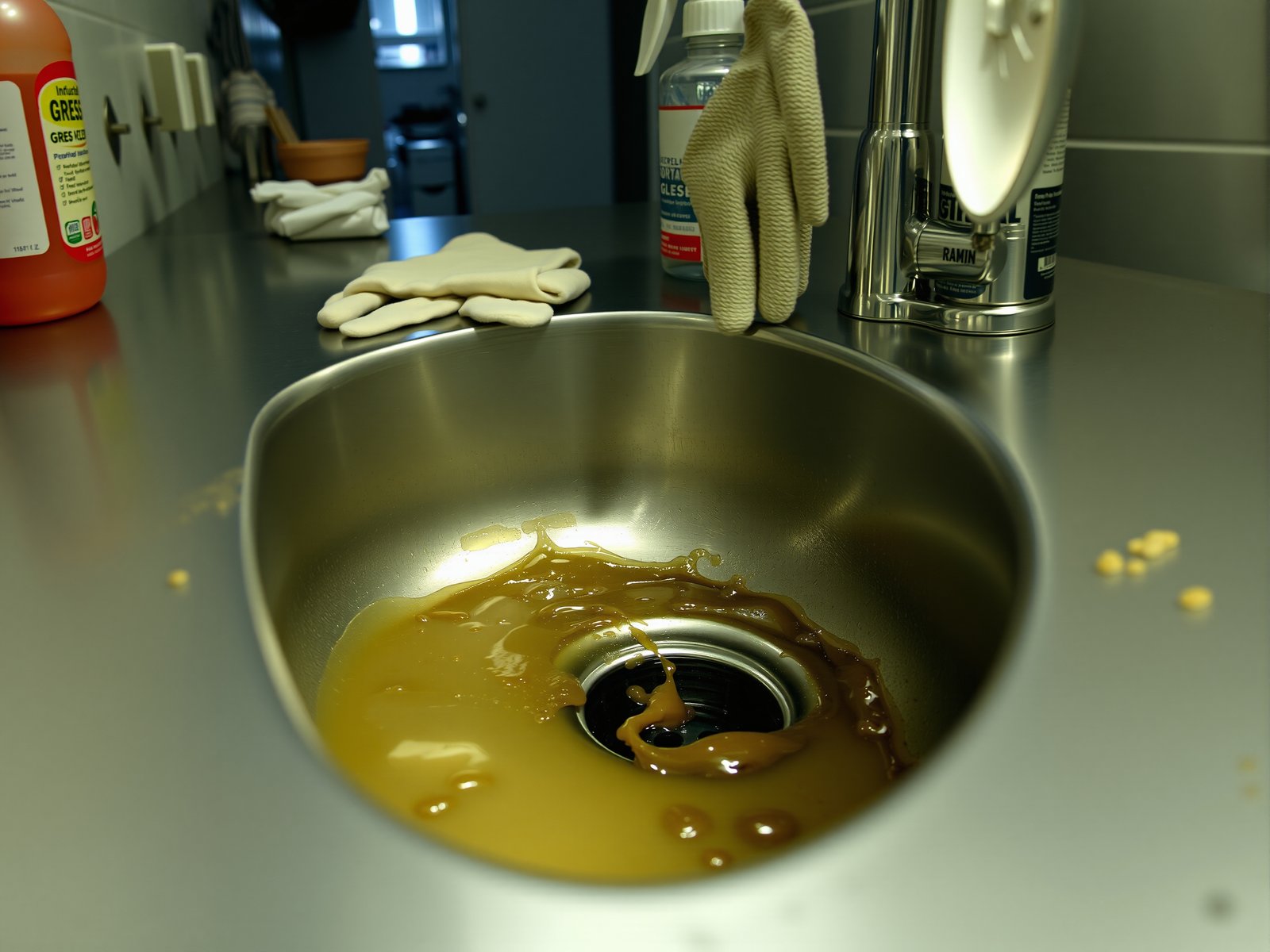
How to Use Industrial Grease Dissolver in Your Kitchen Sink
Using an industrial grease dissolver is not the same as dumping a bottle of off-the-shelf drain cleaner into your sink. Professional protocols—and some prep—are critical to protect your plumbing and health. Here’s how to do it right:
- Prioritize Safety. Wear gloves, safety goggles, and ensure excellent ventilation. Industrial grease dissolvers often release strong fumes and can irritate skin and lungs. Keep all bystanders—especially children and pets—away from the area during use.
- Choose the Right Chemical. For most modern kitchen sinks, hydrocarbon solvent-based products offer strong performance with less risk to pipe materials than ketones or chlorinated formulas. Avoid aggressive ketones or chlorinated solvents on plastic, aluminum, or magnesium pipes—these substances can cause major corrosion or deterioration. For more, visit the Alliance Chemical industrial solvent guide.
- Apply the Dissolver Directly. Pour the recommended amount directly into the drain. Many professionals begin with 4–8 ounces (or package instructions) to minimize overflow and waste. Avoid overfilling your drain to control fumes and maximize contact with grease.
- Observe Dwell Time. Allow the solution to dwell for at least 15–30 minutes or as directed—do not rush this step. For extreme buildup, some pros leave the dissolver for up to an hour, but never overnight unless the manufacturer guarantees pipe compatibility.
- Flush Thoroughly. Rinse the treated area with hot water for several minutes to remove all dissolved grease and chemical residues. Repeat the process only if drainage remains sluggish, or use a physical snake if necessary.
- Final Inspection and Ventilation. Sniff for residual chemical odors and run more water if needed. Ventilate the kitchen thoroughly before returning to normal use, since some industrial solvents leave lingering fumes.
- Disposal. Always comply with local hazardous waste guidelines when disposing of used solvent or any rinsing fluids. Many industrial chemicals cannot legally go down the drain if you’re on a septic system or local treatment plant is highly regulated.
Want more reliable drain-clearing ideas? See our straight-to-the-point guide to clogged drain fixes—packed with proven DIY and pro solutions.
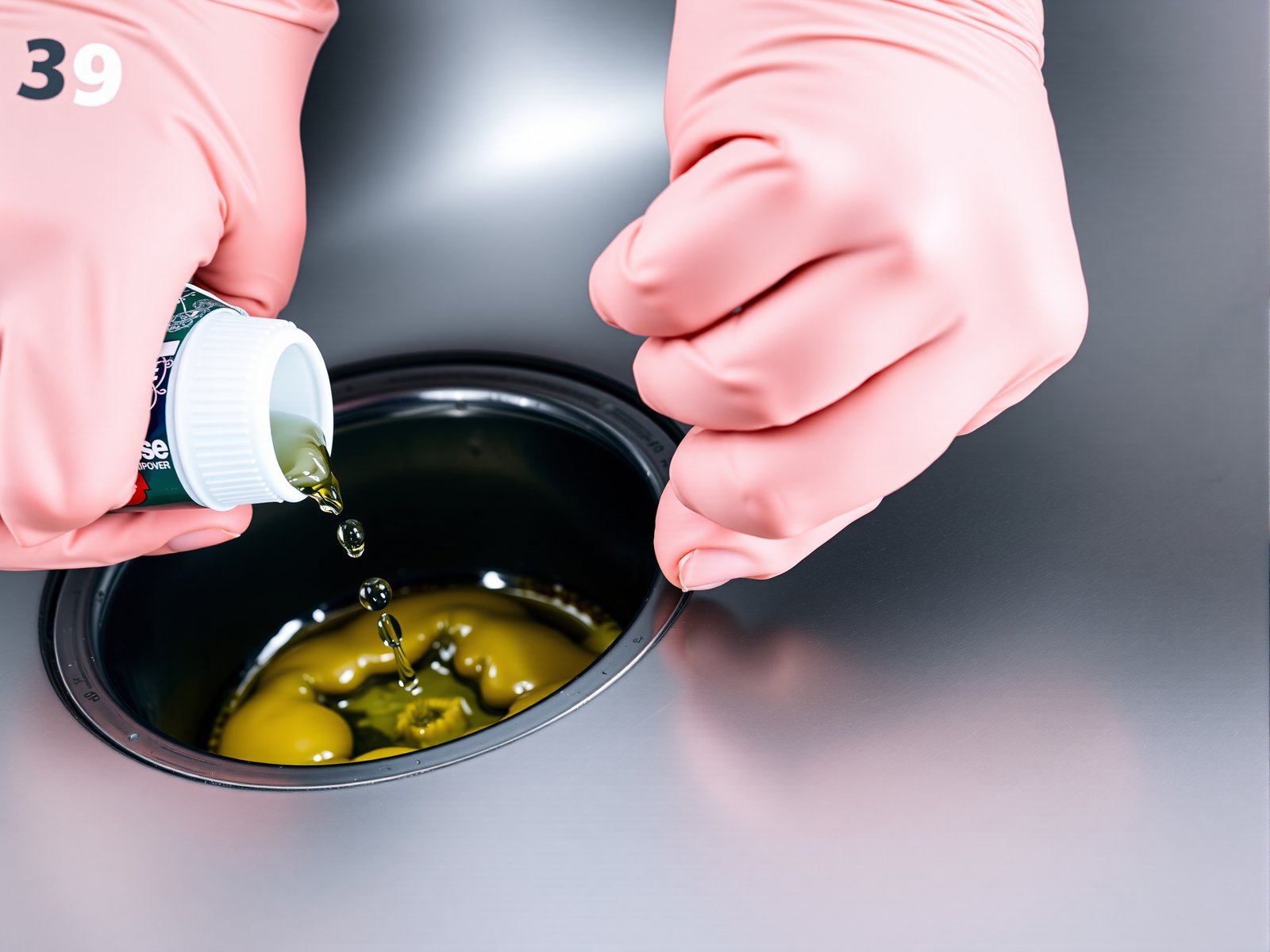
For preventive maintenance or less severe cases, consider a gentler approach. Products like enzymatic drain cleaner safe for old pipes won’t match the power of true industrial solvents but are ideal for preserving pipes in older homes.
Advanced Analysis & Common Pitfalls
Industrial-grade grease dissolvers are incredibly potent, but that power comes with real risks. Here’s what most articles don’t tell you—and common pitfalls to avoid:
- Incorrect Material Pairings: Not all pipes can handle aggressive solvents. Chlorinated and ketone solvents rapidly corrode aluminum, magnesium, and most plastics—leading to leaks and expensive damage. Always read your pipe material specs.
- Health Hazards: Chlorinated solvents like TCE and PCE are strongly associated with liver and kidney toxicity, possible carcinogenicity, and acute neurotoxic effects—this is why some are banned for consumers. Hydrocarbon and aromatic solvents can trigger headaches, respiratory irritation, and are highly flammable. Always read the Safety Data Sheet (SDS), and never use these in poorly ventilated areas. For more, review this comparison of degreaser types and risks.
- Pipe & Septic Compatibility: Many guides ignore septic issues. Even small amounts of industrial degreaser can disrupt beneficial bacteria in septic tanks or cause regulated discharge violations. For heavily regulated areas, stick to safer bio-based or enzymatic formulas where possible.
- Dwell Time Misjudgments: Letting solvents sit for too long can dissolve not just the grease—but the glue or lining inside pipes, especially on older infrastructure.
Learn how enzymatic drain cleaning sticks can provide septic-safe, eco-conscious options for ongoing FOG management.
| Active Ingredient | Grease-Busting Power | Pipe Compatibility | Health/Safety Risks | Common Use Case |
|---|---|---|---|---|
| Mineral Spirits (Hydrocarbon) | High | Most metals, some plastics | Flammable, strong odor | Industrial/commercial sinks |
| TCE, PCE (Chlorinated) | Very High | Not for plastics, Mg, Al | Toxic, carcinogenic | Severe commercial clogs |
| Ketones (MEK, Acetone) | High-Very High | Metals only | Corrosive, flammable | Grease removal, parts cleaning |
| Enzymes/Detergents | Low-Moderate | All pipe types | Safe | Routine/preventive maintenance |
Regulatory status is also key. The EPA restricts or bans some solvents for household sale; always verify whether your chosen dissolver is compliant in your area and suitable for non-commercial use. For more guidance on certifications and standards, see the detailed analysis at Alliance Chemical.
If chemical methods don’t work or aren’t safe for your pipes, see our tutorial on using a drill powered drain auger 25ft for serious main line clogs.
To compare natural alternatives, check out our article on the baking soda vinegar hot water drain hack and see if a non-toxic approach is right for your home.
Conclusion
Industrial-strength grease removers deliver results that household products rarely match, especially for hard-set clogs in commercial kitchens or older residential sinks. Remember: with greater power comes greater risk—chemical safety, pipe compatibility, and local regulation all demand careful planning.
If you plan to use an industrial grease dissolver for kitchen sink emergencies, follow protocols, vet your product for certifications, and never ignore the risks to your plumbing or health. Ready for more results-driven insights? Explore our comprehensive home drain fix product guide for step-by-step recommendations.
Frequently Asked Questions
What chemicals are most common in industrial grease dissolvers for kitchen sinks?
Industrial degreasers typically use hydrocarbon solvents (like mineral spirits), aromatic hydrocarbons (toluene, xylene), ketones (acetone, MEK), and chlorinated solvents (TCE, PCE). These offer maximum grease-busting but require strict safety measures. See this industrial solvent guide for full details.
Can I use industrial grease dissolver on my home kitchen sink pipes?
Only if you are sure your pipes can withstand strong chemicals. Many industrial solvents will damage plastics, aluminum, or older seals. Carefully check your plumbing specs or speak with a professional first. For older homes, consider safer enzymatic cleaners.
What’s the main risk of using industrial grease removers in commercial kitchens?
The main risks are pipe damage from material incompatibility and health dangers from strong vapors or chemical exposure. Some also carry regulatory fines if poured into septic systems or municipal drains. Always wear PPE and follow disposal rules.
Is there a safe, septic-friendly alternative to industrial dissolvers?
Yes. Enzyme-based drain cleaners are much gentler and safe for septic systems, though they take longer and may be less effective for severe blockages. Learn more about using enzymatic drain cleaning sticks for preventive care here.
Which certifications should I look for when buying a professional-grade drain cleaner?
Always check for EPA compliance and review the product’s Safety Data Sheet. For kitchens serving food, NSF approval is a bonus, though not all products have it. Prioritize low-VOC, non-carcinogenic options whenever possible.