

Walk-in shower conversion is one of the most popular bathroom upgrades for US homeowners in 2024—and for good reason. But a smooth, budget-friendly tub-to-shower switch starts with clear cost guidance and contractor-proof planning. This guide will help you avoid hidden expenses, costly repairs, and other rookie mistakes most people only learn about after demolition day.
Key Takeaways
- The average tub to walk-in shower conversion cost is about $7,000 nationwide, but ranges from $1,200–$15,000 depending on material, labor, and your region.
- Hidden water damage, drainage issues, and lost storage space are the top post-conversion pain points—inspect and budget for these before you demo.
- Get multiple detailed contractor bids, schedule sewer and plumbing camera inspections, and reserve at least 15% contingency to avoid surprise repair bills.
- Quick cost snapshot — what most homeowners pay in 2024
- How regional pricing shifts your quote (state and city examples)
- Cost breakdown — line‑item what makes up the price
- Main homeowner pain points after installing a walk‑in shower
- How to prevent those pain points (planning & specification checklist)
- Contractor selection & permits — what to ask for in quotes
- Budgeting examples — sample low/mid/high project scenarios
- Undercovered walk‑in shower ideas (Top 3 unique concepts competitors miss)
- Timeline — realistic schedule from quote to first shower
- Financing, warranties & value — how this remodel affects resale
- FAQ
- Next steps — what to do after reading
Quick cost snapshot — what most homeowners pay in 2024
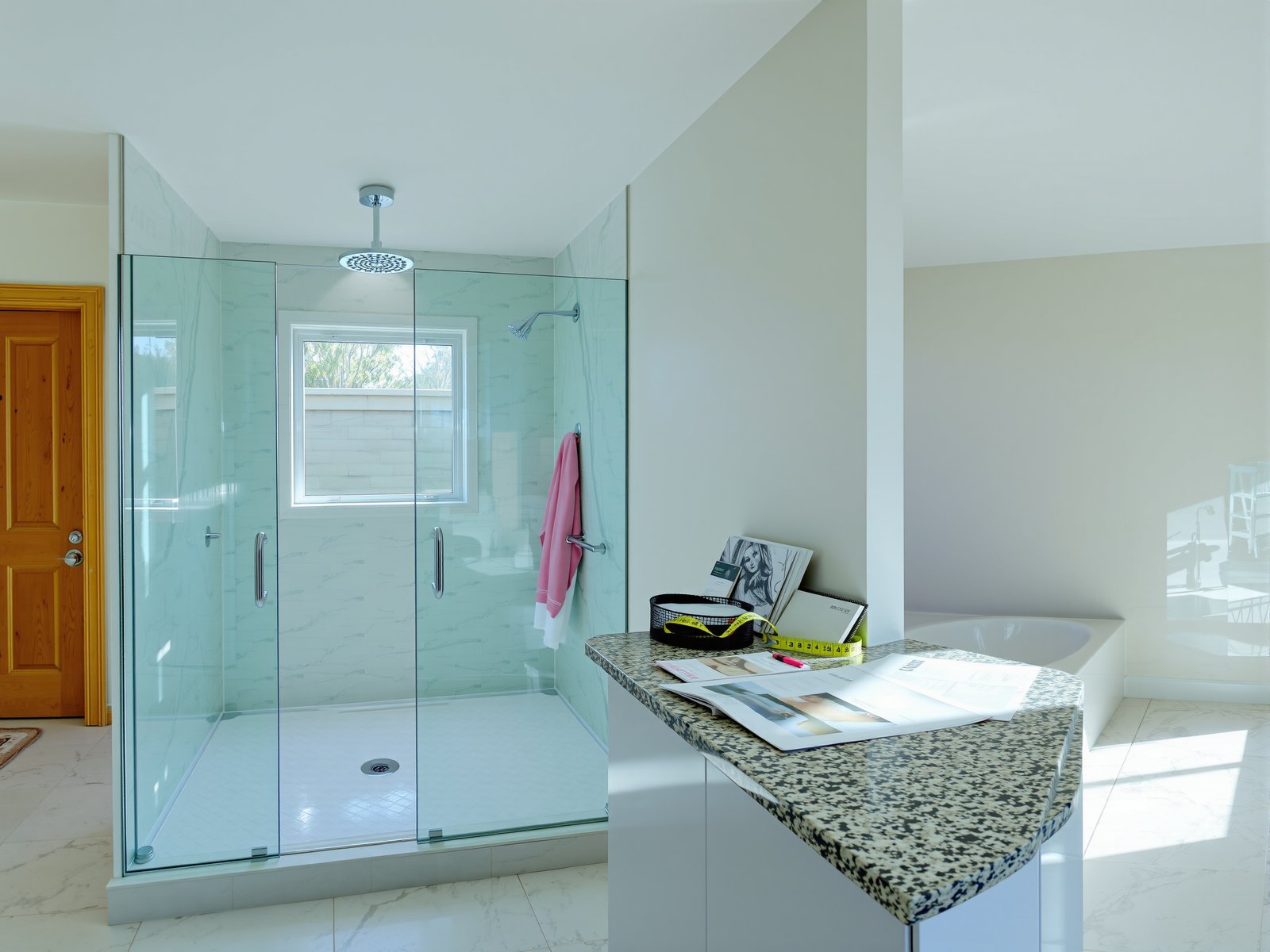
The tub to shower conversion cost in 2024 typically averages around $7,000 nationwide, but real-world projects can run from $1,200 to $4,000 for basic prefab acrylic/fiberglass kits, up to $5,000–$15,000 for premium custom tile or stone installations. Where your conversion lands on this scale depends on your home’s region, bathroom layout, the materials you choose, and the risk of hidden repairs found during tub removal. If you want a truly contractor-proof experience, prepare for these realities up front.
How regional pricing shifts your quote (state and city examples)
Labor, permit costs, and even material shipping can shift your tub removal cost by 20% or more. In high-cost markets like San Francisco, New York, or Washington, D.C., expect to pay 20–30% above national averages. The Midwest and South often see 10–15% lower totals. For example, a basic tub to shower conversion cost in Chicago typically lands between $5,500 and $6,500, while a high-end project in San Francisco can exceed $12,000–$15,000. Know your local market before accepting a generic estimate.
For deeper regional insights, see the full HomeGuide tub-to-shower conversion cost analysis.
Cost breakdown — line‑item what makes up the price
Every tub to shower conversion cost breaks into seven main parts: demolition/tub removal, plumbing changes, new shower base or pan, waterproofing system, wall finish (tile or prefab panel), glass enclosure, and labor/permit fees. Here’s how a typical job splits out:
| Line Item | Prefab Kit | Custom Tiled | Typical Issues |
|---|---|---|---|
| Tub removal & demo | $300–$1,000 | $500–$1,500 | May reveal hidden water damage, rot, or structural fixes needed |
| Plumbing updates | $400–$1,000 | $900–$2,500 | Old lines or misaligned drains can add unexpected costs |
| Shower base/pan | $300–$900 | $800–$2,000 | Poor slope leads to drainage problems |
| Waterproofing | $300–$800 | $700–$2,000 | Skipping this step risks mold/leaks |
| Tile or prefab kit | $1,200–$4,000 | $2,000–$8,000 | Material quality and labor drive most overruns |
| Glass enclosure/door | $700–$1,500 | $1,200–$3,500 | Custom glass is expensive, heavy, and may need reinforcing |
| Labor & permits | $1,000–$2,500 | $2,000–$5,000 | Complex setups or old homes demand more hours |
The biggest cost wildcards are hidden repairs and mid-job scope changes. Prefab kits run $1,200–$4,000 all-in. Full custom tile or stone work can reach $15,000—especially if water/rot damage is found once the tub is removed. For a deeper breakdown of bathroom remodeling costs (including shower replacements and tub removals), review the latest This Old House data and this up-to-date cost guide from a nationwide remodeling group.
Main homeowner pain points after installing a walk‑in shower
Most frustrations with a walk-in shower conversion stem from preventable issues. The top five problem areas post-installation are:
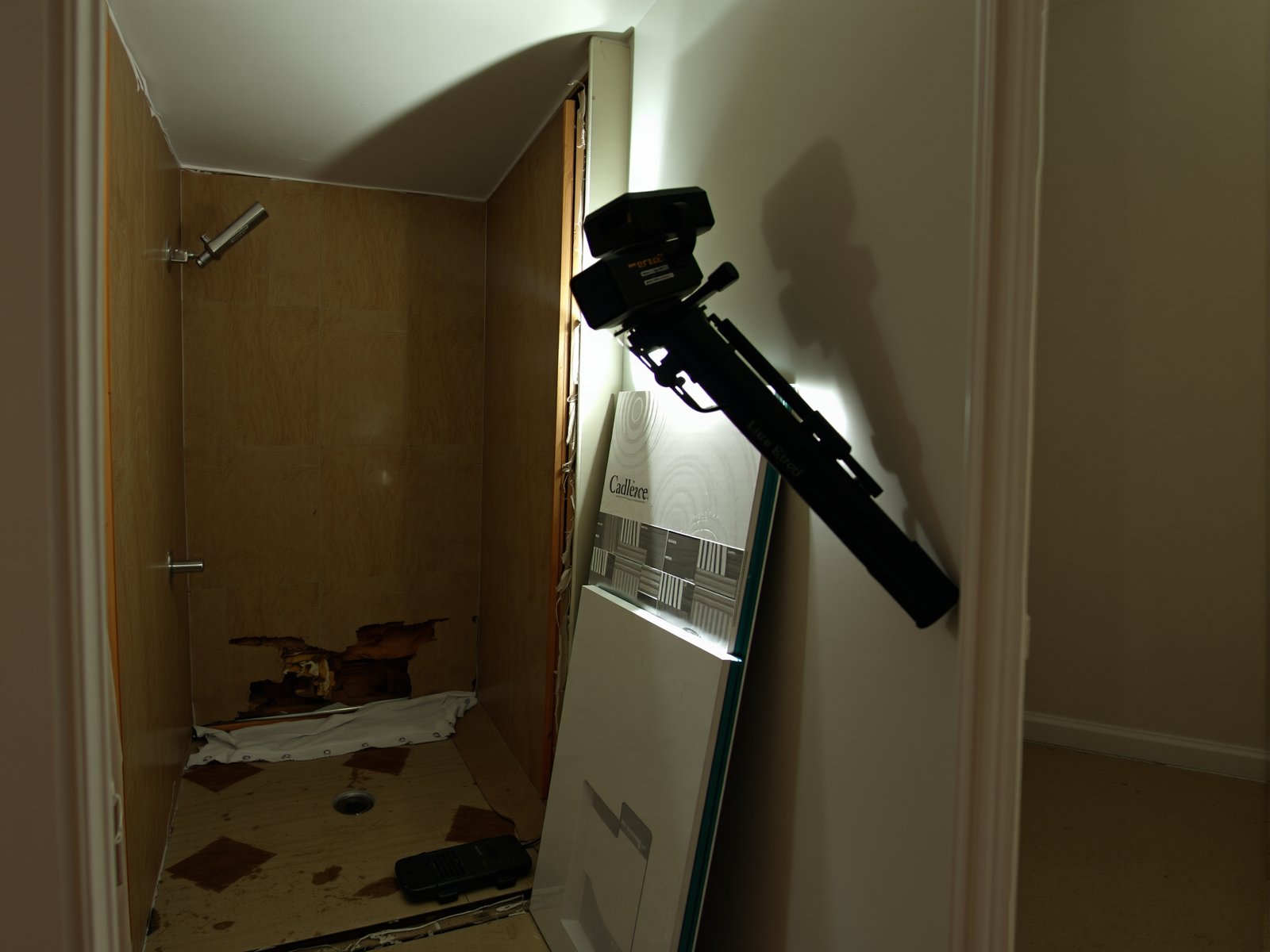
- Hidden water or structural damage found after demo. Even a small leak behind the old tub can require major repairs.
- Poor drainage or incorrect floor slope causing leaks, puddling, or staining.
- Loss of tub storage space for bottles, toys, or cleaning products—the shower can feel less functional unless planned for.
- Increased cleaning needs with frameless or curbless glass—water spots and soap scum are more visible with less framing.
- Temp control challenges as larger open showers sometimes cool water faster, requiring a more powerful valve or heater.
Many homeowners only learn about these issues after the fact. For tips on easy drain fixes and maintenance, check out our guide on quick fixes for stubborn bathroom clogs.
How to prevent those pain points (planning & specification checklist)
The best way to ensure you don’t get hit with hidden costs is to use a detailed pre-demo checklist:
- Schedule a camera sewer/plumbing inspection before demo day to verify lines and spot leaks.
- Require your contractor to specify a pitched shower pan with a weep drainage system—don’t accept generic “sloped base” descriptions.
- Insist on waterproofing membranes (like Schluter or RedGard) from niche to threshold—not just the floor.
- Specify a thermostatic mixing valve—not a basic single-control faucet—to keep water temperature steady.
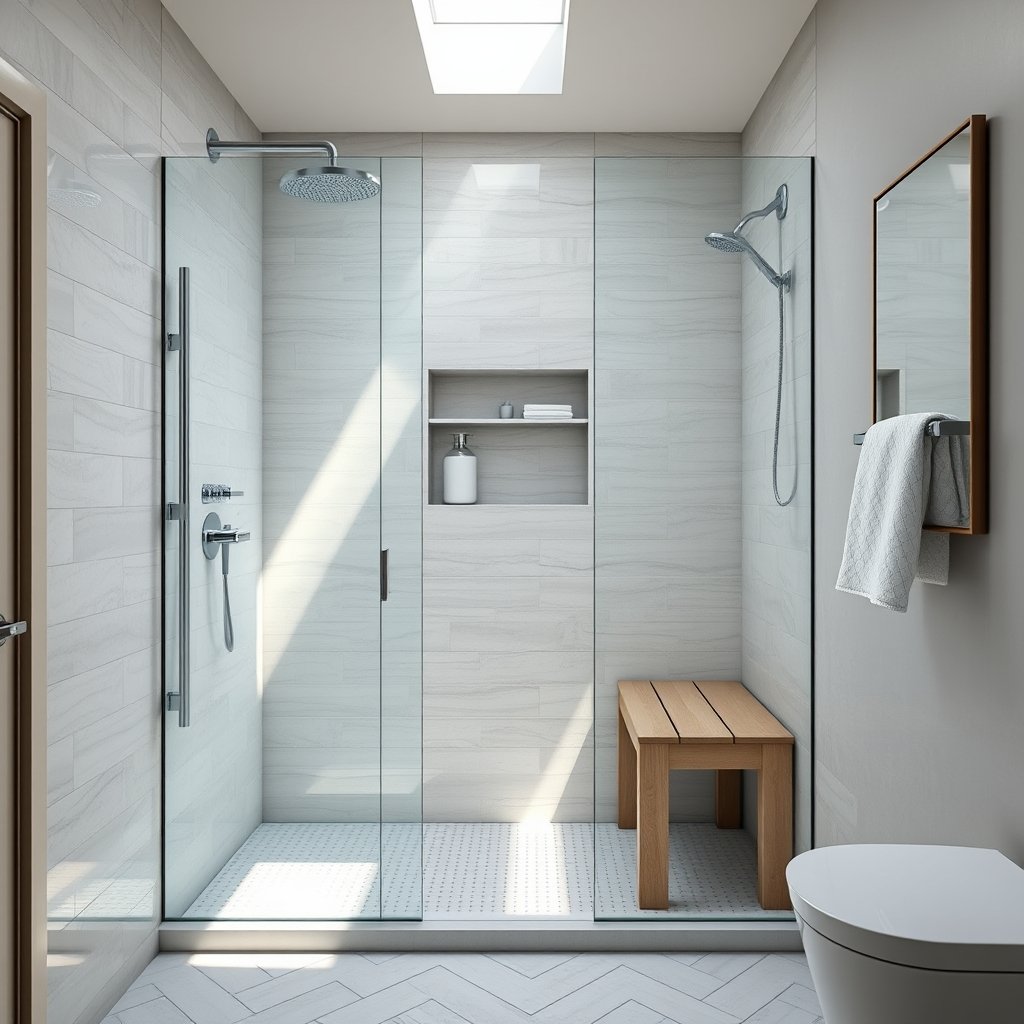
- List out storage alternatives: built-in niches, shelving, or corner baskets to replace lost tub ledges.
- If going frameless or curbless, ask for glass with hydrophobic coatings (less cleaning) and double-check ADA or family-friendly thresholds.
- Include a 15% contingency line in your budget for hidden repairs (dry rot, subfloor fixes, code upgrades).
For more homeowner-planning tips, see our proven curbless shower ideas and the 2026 bathroom cost guide.
Contractor selection & permits — what to ask for in quotes
Request bids from at least three contractors, requiring each quote to list:
- Specific product models/brands (pan, valve, glass, tile/panels)
- All demo and disposal items (including old tub removal costs between $300–$2,000 depending on weight and complexity)
- Outline of labor hours and who is responsible for permitting
- Detailed waterproofing and shower pan type
- List of included and excluded tasks (painting, trim, patching, etc.)
- Written warranty and their license/insurance paperwork
- Proof of recent similar jobs (with references)
Remember: demolition and layout changes can alone add $900–$3,000 (source). Ask how they handle old drain or water line issues—many companies subcontract plumbing to experts, which boosts price but reduces hidden risks.
Budgeting examples — sample low/mid/high project scenarios
See which project fits your needs and budget, then discuss with your contractor:
- Prefab Kit (Basic, $1,200–$4,000): Tub removal, prefab pan/walls, standard valve, sliding glass. Little customization—fastest install.
- Custom Tile (Mid-Range, $5,000–$15,000): Demolition, new drain lines, full waterproofing, porcelain/ceramic tile walls, glass door, upgraded plumbing. Good mix of style and value.
- Luxury/Full Remodel ($16,000–$28,000+): Custom layout, stonework, radiant floor, frameless glass, multi-jet controls, extended warranty, decor upgrades. Often includes entire bathroom update.
For a full pricing breakdown, consult the US Cabinet Store bathroom remodel cost guide.
Undercovered walk‑in shower ideas (Top 3 unique concepts competitors miss)
- Smart-glass enclosures: Switch from clear to frosted glass at the touch of a button. Integrates privacy and allows for sleek modern looks. Costs 2–3x conventional glass, but reduces need for curtains. Look for suppliers that bundle Bluetooth speakers inside for a seamless upgrade. Maintenance: microfiber only, avoid harsh scrubs.
- Modular floating waterproof bench: Floating bench systems with hidden storage drawers and integrated radiant heat. Offers a seat, extra storage, and minimal visual clutter. Installation requires strong wall blocking—specify this during bidding.
- Biophilic shower zones: Living plant wall panels (often moss or succulents) paired with a daylighting tube. Boosts privacy, improves air quality, and acts as a natural humidity buffer. Be sure plants are low-maintenance and panels are waterproofed behind.
Want more inspiration and proven solutions? Visit our curbless shower ideas for 2026.
Timeline — realistic schedule from quote to first shower
Prefab walk-in shower systems generally take 3–4 days, start to finish. Custom tiled walk-in showers run 7–14 days. Expect a 1–2 week permit and planning period before any demolition begins. Here’s a sample day-by-day for a custom job:
- Days 1–2: Permits pulled, materials ordered
- Day 3: Demolition, tub removal
- Day 4: Plumbing reroute, repairs
- Day 5: Pan install, waterproof membrane
- Days 6–9: Tile and glass fitment
- Day 10: Trim, grout, inspection, clean up
For tips on keeping bathroom downtime minimal, see our related article on small bathroom remodel costs and scheduling.
Financing, warranties & value — how this remodel affects resale
Converting a tub to a walk-in shower typically runs below full bathroom remodel averages, unless you change the layout (average bath remodel is $11,365 with a $6,622–$16,744 range). You can finance through a personal loan, home equity, or some contractors’ payment plans. Always demand written waterproofing and labor/materials warranties—preferably five years minimum on labor and ten years on key materials. A properly completed walk-in shower conversion adds value in aging-in-place or downsized homes, especially with accessibility or low-maintenance upgrades.
FAQ
Do I need a building permit to remove a bathtub and install a walk-in shower?
Yes, most jurisdictions require a permit for plumbing, demolition, and structural modifications—especially if moving a drain or installing a new shower pan. Your contractor should include permit fees in their quote and handle inspections.
How long does a typical walk-in shower conversion take?
Prefab installs usually take 3–4 days. Custom tile projects require one to two weeks, depending on weather, inspections, and material lead times.
Can I go curbless or barrier-free in my conversion?
Yes, but have your existing subfloor and joists inspected to confirm they can be re-sloped or lowered. Not all homes can accommodate a true zero-threshold without raising adjacent floors or lowering the pan aggressively.
How do I maintain storage after removing my tub?
Plan for built-in niches, floating shelves, or modular shower baskets to preserve convenience. Discuss storage solutions with your contractor early, as many kits support only minimal shelving without upgrades.
What warranty should I expect from my contractor?
Seek at least five years on labor and installation, with ten years or more on waterproofing, pans, and glass. Some higher-end system manufacturers offer lifetime parts/kits warranties if installed by a certified pro.
How much contingency should I budget for hidden problems?
Plan for at least 15% over the initial bid for hidden water, rot, or plumbing damage that might surface during demo. Hidden costs are the norm, not the exception—especially in older US homes.
When is tub-to-shower conversion not recommended?
If you may sell to buyers needing a tub (families with young kids), or your home only has one bathroom, removing a tub can occasionally lower resale value.
Next steps — what to do after reading
Ready to move forward on your walk-in shower conversion? Download our printable pre-demo checklist and contractor comparison worksheet below. Use our conservative cost estimator: start with $7,000, then apply a 20–30% multiplier if you’re in a high-cost area, or 10–15% reduction for lower-cost regions. Always get at least three local bids with all warranty and permit details in writing before starting any work.
- Download: Printable Pre-Demo Checklist
- Download: Contractor Bid Comparison Worksheet
- Use our Walk-in Shower Cost Estimator for your zip code
For more expert tips on drain maintenance and bathroom upkeep, see our guides on quick fix for stubborn bathroom clogs, curbless shower planning, and bathroom remodel cost control. Make your walk-in shower conversion a smooth, surprise-free success—start planning your contractor conversations today!