

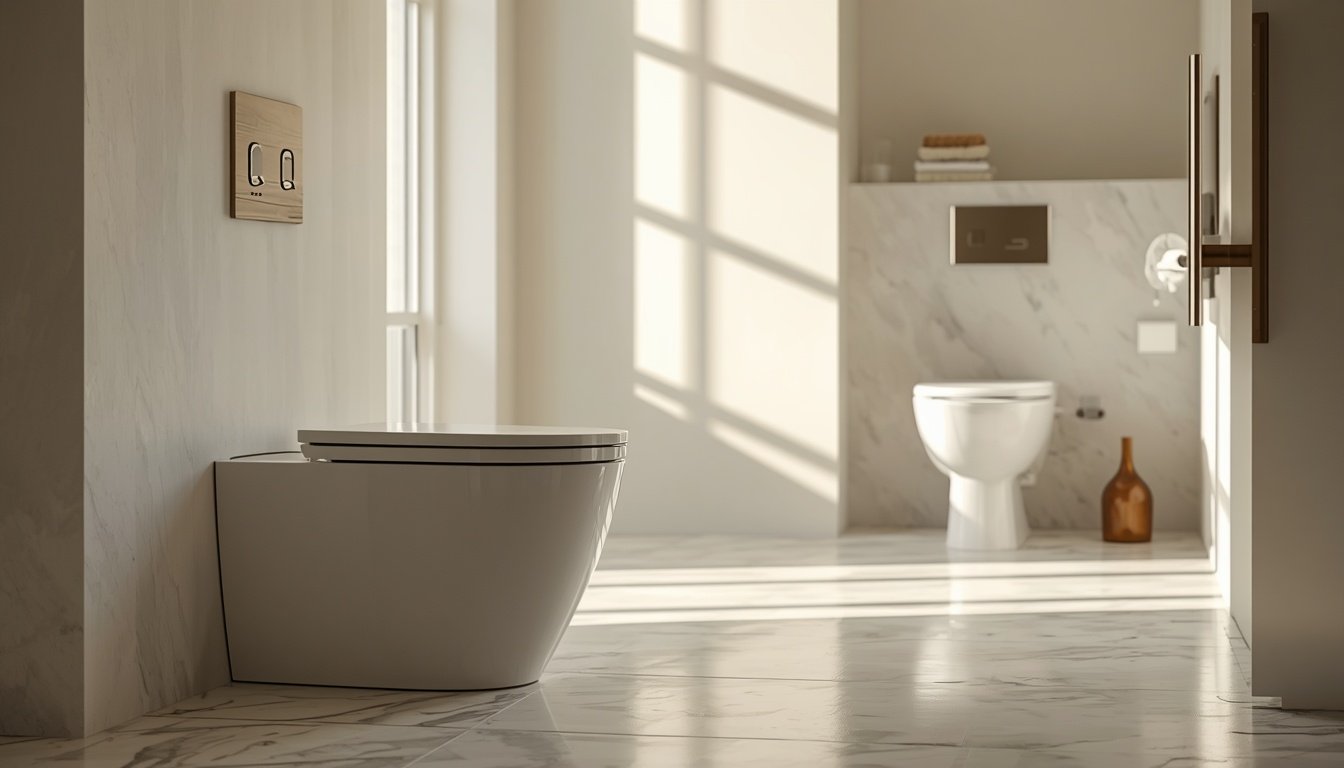
Investing in a high-tech bathroom fixture like a Smart Toilet Installation and Maintenance is a significant decision for any proactive remodeler. This guide moves beyond mere product features, offering a comprehensive, risk-mitigation manual designed to protect your long-term investment by tackling critical installation pitfalls and maintenance warnings often overlooked by retailers.
Key Takeaways
- Choose between a smart toilet or bidet seat based on your existing bathroom layout and budget to ensure a seamless and cost-effective upgrade.
- Prioritize professional installation to protect your home’s plumbing integrity and prevent costly long-term issues stemming from improper setup or chemical drain use.
- Adopt proactive, plumber-approved maintenance techniques and tools to extend the lifespan of your high-tech fixture and avoid common reliability glitches.
- Smart Toilet vs. Bidet Seat: Making the Right Choice for 2026
- Total Cost Breakdown: Installation and Upfront Investment
- Common Reliability Issues and How to Avoid Them
- Plumber-Approved Maintenance for Modern Bathrooms
- Troubleshooting: When to Call a Pro vs. DIY
- Conclusion
- FAQ
Smart Toilet vs. Bidet Seat: Making the Right Choice for 2026
As you plan your bathroom upgrade, a crucial initial decision involves choosing between a full smart toilet unit and a bidet seat retrofit. This choice hinges significantly on your current bathroom layout, existing plumbing, and, of course, your budget. A full smart toilet replacement, while offering integrated aesthetics and advanced features, often requires more extensive plumbing and electrical work. This can impact your overall bathroom remodel cost 2026.
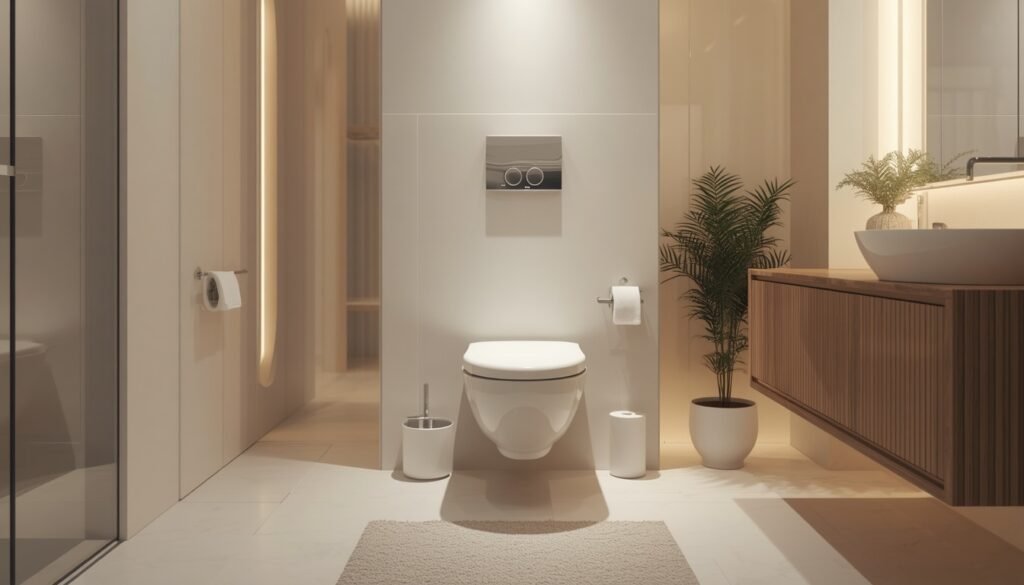
Conversely, the best smart bidet toilet seat 2026 options provide many of the coveted features, such as heated seats and posterior washes, without the need to replace your entire toilet. This is particularly appealing for homeowners in the USA looking for a less invasive and often more budget-friendly upgrade. Consider your existing toilet’s dimensions and shape to ensure compatibility if opting for a bidet seat. While some models are nearly universal, specific measurements are vital for a proper fit and optimal performance. For a truly integrated, minimalist look, a full smart toilet USA model is often preferred, but the added complexity and cost of installation should be factored in.
Total Cost Breakdown: Installation and Upfront Investment
Beyond the sticker price of the smart toilet or bidet seat, understanding the total project costs is essential. Many homeowners focus solely on the fixture itself, overlooking the critical aspect of professional installation. The average smart toilet installation cost can vary widely depending on whether new electrical outlets or dedicated water lines need to be run. While some DIY enthusiasts might feel confident handling a bidet seat attachment, a full smart toilet often requires a licensed plumber and electrician.
Hiring a professional for installation is not merely an expense; it’s a longevity investment that actively mitigates risks. Improper connections can lead to leaks, electrical hazards, or damage to your home’s existing plumbing infrastructure. For instance, drain cleaners often generate heat through chemical reactions, which can weaken PVC seals over time, leading to future leaks and damage. Prioritizing professional installation helps protect the integrity of your home plumbing system against these common mistakes. A qualified plumber ensures proper sealing and connections, preventing a single leak or slow drips that could lead to mold or structural damage down the line. It also ensures the sophisticated internal components of your new fixture are correctly integrated, preventing early malfunctions.
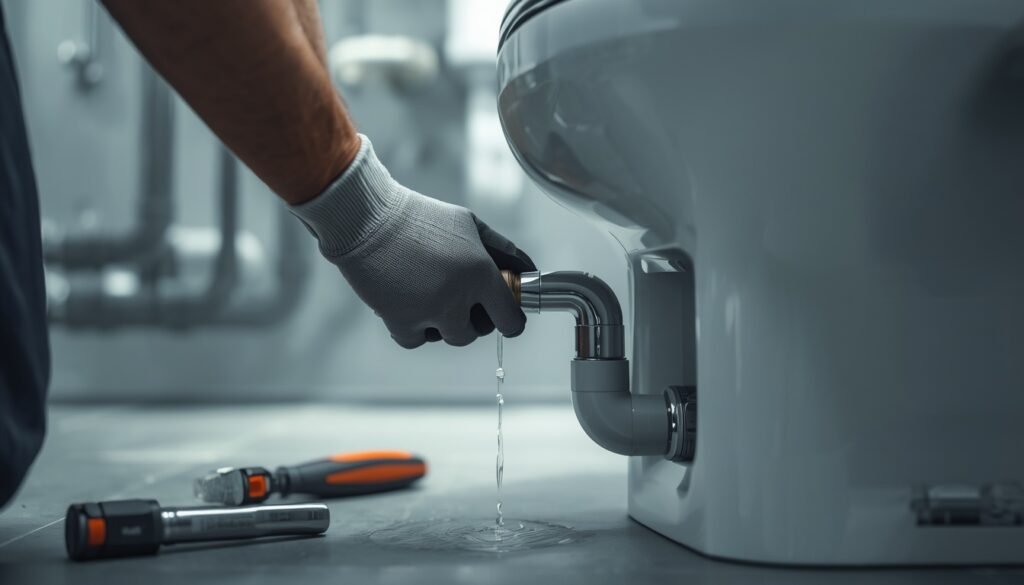
Consider the long-term savings of professional installation. Preventing a single leak or electrical short circuit can easily offset the initial cost. Furthermore, a properly installed unit is more likely to function optimally, delivering the comfort and convenience you expect from your investment. Don’t let a desire for short-term savings compromise the performance and safety of your high-tech bathroom upgrade.
Common Reliability Issues and How to Avoid Them
Modern smart toilets and bidet seats, while impressive, are not immune to glitches or maintenance needs. Consumers often worry about the longevity of “smart” features and how to handle common issues. These fixtures rely on electronics, sensors, and intricate water delivery systems, all of which require careful attention. Understanding common pitfalls can help you avoid them and ensure your investment remains trouble-free.
One major concern for all toilets, smart or not, is drain care. However, with high-tech fixtures, improper drain maintenance can be particularly problematic due to more delicate internal plumbing. A “Do Not Do” list for drain care is crucial:
- Do Not Over-Rely on Chemical Drain Cleaners: These harsh chemicals generate heat and can corrode pipes, particularly PVC, and damage the seals that are vital for preventing leaks in any toilet system. Over-reliance causes pipe thinning, leading to premature plumbing failures.
- Do Not Use Baking Soda and Vinegar Mixes as a Primary Clog Fix: While often touted as a natural solution, baking soda and vinegar create a weak fizzing reaction that rarely clears significant clogs. More importantly, these mixtures can leave behind a thick, pasty residue that further slows drains and acts as a binder for future blockages. For effective how to unclog a drain without chemicals methods, consider other approaches.
- Do Not Flush “Flushable” Wipes: Despite marketing claims, these wipes do not disintegrate like toilet paper and are a leading cause of clogs, especially in the more complex internal systems of smart toilets.
Even premium brands like the TOTO Washlet USA series or a Kohler Numi smart toilet review will highlight the importance of proper usage and maintenance. Sensor malfunctions, issues with water temperature consistency, or spray nozzle blockages are often minor but can be frustrating. Regular, gentle cleaning with non-abrasive cleaners is key to preventing mineral buildup and ensuring sensors function correctly.
| Common Issue | Root Cause | Prevention/Solution |
|---|---|---|
| Weak or inconsistent spray pressure | Mineral buildup in nozzles, partially closed water valve | Regular nozzle cleaning with a soft brush, check water supply valve |
| Sensor not detecting user | Dirt/smudges on sensors, power interruption, faulty sensor | Clean sensors regularly, check power supply, consult manual for reset |
| Heated seat not warming | Power issue, seat setting, internal heater malfunction | Verify power, check settings, power cycle unit, professional repair for persistent issues |
| Slow draining / partial clogs | Hair, soap scum, “flushable” wipes, general buildup | Use hair catchers, avoid flushing non-toilet paper items, regular non-chemical maintenance |
Plumber-Approved Maintenance for Modern Bathrooms
Moving beyond generic brand comparisons, truly protecting your bidet toilet combo for American homes means adopting specific, non-destructive tools and practices. These tools empower you to handle minor issues yourself, preventing small problems from escalating into costly repairs. They are far more effective and pipe-safe than chemical concoctions.
The three best non-chemical tools for toilet and drain maintenance are readily available and affordable:
- Flange-Style Toilet Plunger ($8-$12): Unlike a cup plunger, a flange plunger features an extended rubber flap designed to create a tight seal in the toilet bowl. This superior seal generates more hydraulic pressure, making it highly effective for clearing most toilet clogs without damaging the internal mechanisms of a smart toilet with heated seat.
- Hand-Crank Auger ($15-$25): For clogs deeper than a plunger can reach, a hand-crank auger (also known as a plumbing snake) is invaluable. Its flexible cable can navigate pipe bends and break up blockages. Choose a model specifically designed for toilets to avoid scratching the porcelain. For more intense clogs, a drill powered drain auger 25ft might be necessary, but exercise caution with premium fixtures. [Source Synthesized Answer]
- Wet/Dry Shop-Vac ($70-$90): A wet/dry shop-vac is a versatile tool for both minor clogs and accidental overflows. By creating a powerful suction, it can often pull out blockages that a plunger might push deeper. Always ensure the toilet bowl is clear of water before attempting to suck out a clog. This tool is also excellent for quickly cleaning up spills around your new fixture, preventing water damage. [Source Synthesized Answer]
Regular cleaning with mild, non-abrasive bathroom cleaners will prevent mineral buildup on spray nozzles and sensors. Ensure you wipe down the exterior, including the base, to keep your high-tech toilet functioning and looking its best. Avoid harsh scrubbing pads or abrasive chemicals that can scratch surfaces or damage electronic components.
Troubleshooting: When to Call a Pro vs. DIY
Empowering yourself with basic troubleshooting knowledge can save time and money. The key is to distinguish between a minor flow issue that you can fix and a more serious problem that warrants professional intervention. An “aggressive” DIY approach, such as blindly forcing a snake, can easily destroy the delicate internal plumbing of a premium smart toilet, leading to much more expensive repairs than the initial problem.
Here’s a guide to help you decide:
- Minor Flow Issues (DIY Potential):
- Slow Draining: If your smart toilet is draining slowly, first try the flange plunger. Ensure you get a good seal. If it’s a hair clog in a nearby sink or shower, a plastic barbed drain snake tool can be effective.
- Weak Spray: Check the user manual for instructions on cleaning the bidet nozzles. Mineral buildup is a common cause. Many smart toilets have a self-cleaning function for nozzles.
- Sensor Malfunction: Ensure the sensor window is clean and free of obstructions. A quick power cycle (unplugging and replugging the unit) can sometimes reset minor electronic glitches.
- When to Call a Pro (Avoid DIY Aggression):
- Persistent Clogs: If a flange plunger or gentle auger doesn’t clear a clog after a few attempts, or if the clog recurs, it’s time for a professional. Forcing a drain snake or auger can push a blockage deeper into the main line, scar pipe interiors, and potentially damage the complex internal workings of a smart toilet, leading to more expensive professional repairs.
- Leaks from the Base or Internal Components: Any water leaking from the base of the toilet or from within the unit’s housing requires immediate professional attention. This could indicate a faulty seal, a cracked component, or an electrical issue.
- Electrical Problems: If the unit isn’t powering on, has flickering lights, or you smell burning, immediately cut power to the unit and call an electrician or a plumber with smart toilet experience. Do not attempt electrical repairs yourself.
- Complex Component Failure: If specific features like the heated seat, dryer, or deodorizer stop working despite basic troubleshooting, the issue is likely internal and requires specialized tools and knowledge for repair. The average smart toilet installation cost includes the expectation of correct functionality, and internal repairs are best left to experts.
Remember, a professional plumber specializing in smart fixtures understands their intricate designs and can diagnose problems without causing further damage. Investing in a professional diagnostic and repair can extend the life of your expensive fixture and prevent a minor issue from becoming a plumbing nightmare.
Conclusion
Upgrading to a smart toilet or adding a bidet seat can significantly enhance your bathroom experience, but it’s an investment that demands careful planning and ongoing care. By making informed choices between full units and retrofits, understanding the true total cost including professional installation, and committing to proactive, plumber-approved maintenance, you can mitigate common risks. Avoiding harsh chemicals, using the right tools, and knowing when to call a professional for complex issues are all critical steps in protecting your Smart Toilet Installation and Maintenance and ensuring its longevity. Don’t let installation pitfalls or maintenance warnings derail your bathroom upgrade; empower yourself with knowledge and the right approach for lasting enjoyment.
FAQ
Is professional installation always necessary for smart toilets?
While some bidet seats can be DIY installed, full smart toilet units often require professional plumbing and electrical work. Professional installation ensures proper function, prevents leaks, and protects your home’s plumbing and electrical systems, safeguarding your investment long-term.
Can I use chemical drain cleaners in a bathroom with a smart toilet?
It is strongly advised against using harsh chemical drain cleaners with smart toilets or any modern plumbing. These chemicals can generate heat that weakens PVC seals and corrode pipes over time, leading to leaks and damage to the fixture’s internal components. Opt for mechanical tools like plungers and augers instead.
What are the most common reliability issues with smart toilets?
Common issues include mineral buildup in spray nozzles, sensor malfunctions due to dirt, and general clogs from improper flushing habits (e.g., “flushable” wipes). Regular cleaning and adherence to maintenance guidelines can prevent most of these problems.
When should I call a plumber for my smart toilet issue?
You should call a professional if you experience persistent clogs that a plunger can’t clear, any leaks from the unit or its base, electrical problems, or failures of complex internal features like heating or drying, especially after basic troubleshooting attempts.
How often should I perform maintenance on my smart toilet?
Regular maintenance, such as cleaning nozzles and sensors, should be part of your routine bathroom cleaning, typically weekly or bi-weekly. Periodic checks of connections and proactive use of non-chemical tools for drain care (if needed) will help ensure long-term, trouble-free operation.