

Microcement bathroom projects are gaining popularity among homeowners seeking a seamless, grout-free alternative to tiles—but the true cost, installation hurdles, and maintenance needs often remain unclear until it’s too late. If you’re budgeting for a bathroom remodel, here’s what you absolutely need to know before choosing microcement for your walls, floors, or shower.
Key Takeaways
- Microcement creates modern, seamless bathroom walls and floors with no grout lines—ideal for complex layouts and overlays on old tile, sometimes saving on demolition costs.
- Installed price is $15–$30 per square foot in 2024. It’s cost-competitive with tile only when demolition or complex shapes are involved, otherwise tile is often less expensive.
- Common risks include cracking, water ingress if sealers aren’t maintained, and skilled installer labor—so DIY jobs are rarely budget or timeline-friendly.
Table of Contents
Quick primer — What is microcement and why consider it for bathrooms?
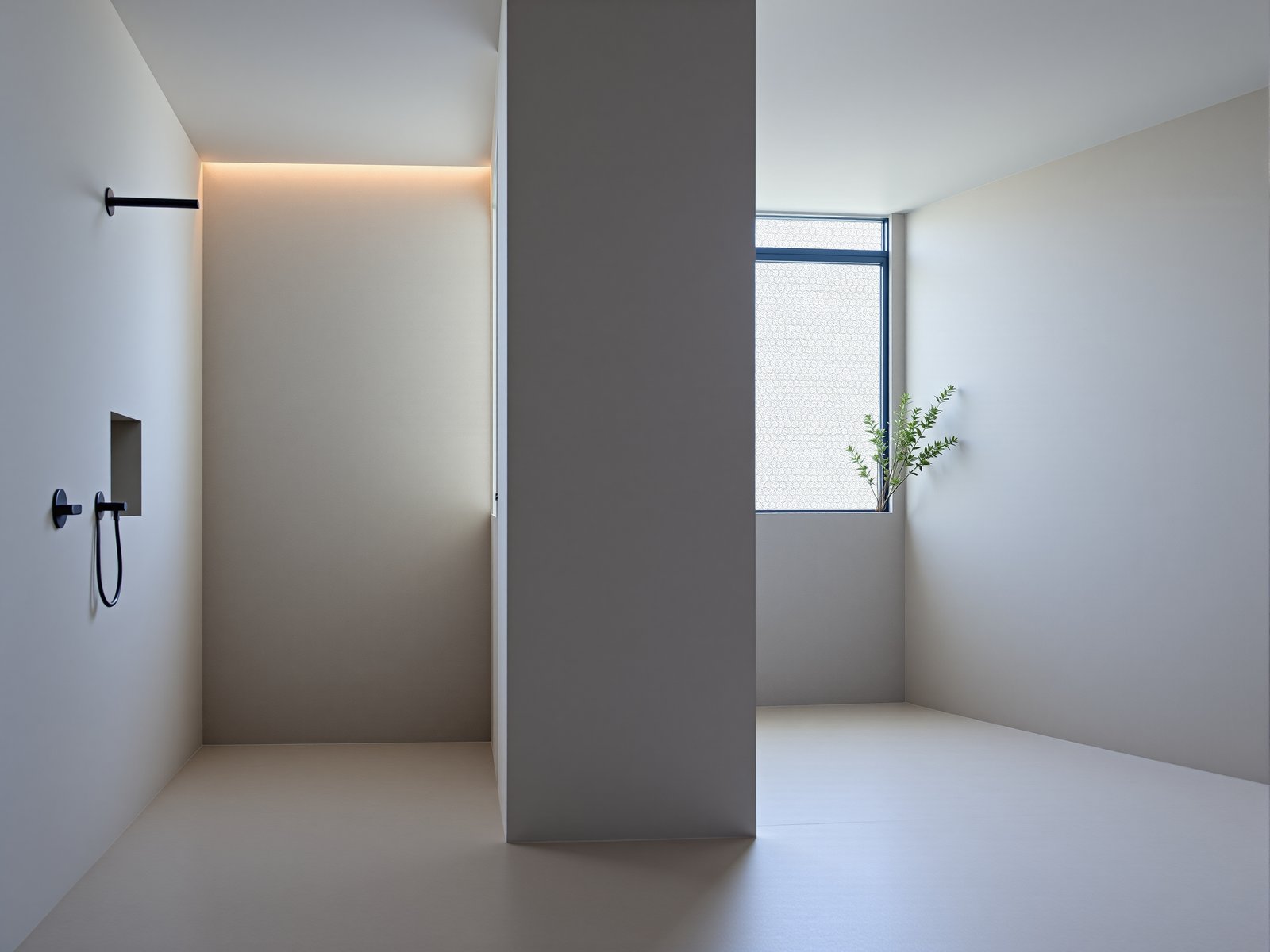
Microcement is a thin, cement-based coating system made up of several layers: primer for adhesion, one or more base coats for build, an intermediate finish coat for color and texture, and at least two layers of specialized sealer. Its most compelling benefit is the ability to create seamless bathroom walls, floors, and even curved surfaces without any grout lines. This makes a microcement bathroom look modern, minimal, and easy to clean compared to traditional tile.
Microcement bonds to many common substrates—including tile, concrete, plaster, and gypsum board—provided proper prep is done. While installers often market microcement as a fast solution, don’t expect overnight results: a professional needs 5 to 7 days just to complete a typical 70–80 square foot bathroom because each layer must fully dry before the next one is applied.
Cost comparison — Microcement vs tiles (when microcement is cheaper or more expensive)
Let’s break down the total cost range for a 70–80 square foot bathroom in 2024:
| Option | Installed Price/Sq Ft | Total Typical Range | Where It Wins | Where It Loses |
|---|---|---|---|---|
| Microcement | $15–$30 | $3,000–$6,000 | No demolition; complex/curved layouts; overlays on tile | New builds with simple layouts and basic tile |
| Tile | $10–$30 | $4,500–$9,000 | Simple layouts with simple tile | Custom features, demolition required, expensive materials |
In real-world projects, microcement bathroom cost is often competitive only when you can overlay existing tile or are dealing with curved or highly detailed surfaces. Tile remains the low-price winner if you’re using basic ceramic on flat walls and floors. However, once you add demolition, disposal, tile backer, or custom grout work, the cost difference shrinks or disappears.
For a dollar-by-dollar breakdown from real jobs, see this external cost comparison and calculate according to your own space and finishes.
The single biggest practical advantage — Renovating over existing surfaces (no demolition)
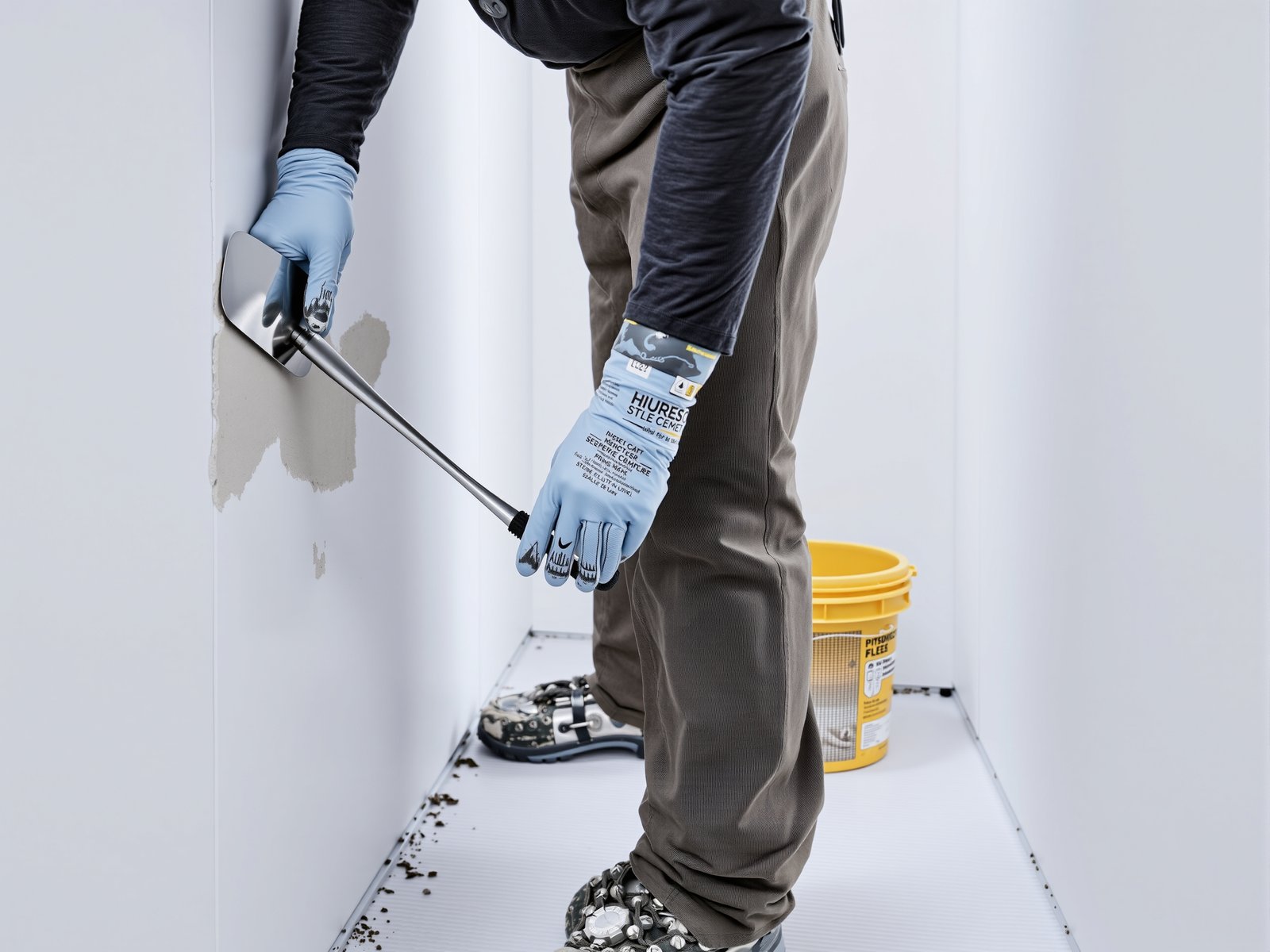
Unlike tile, microcement’s standout trick is overlaying directly onto many stable substrates, including tile, concrete, MDF, and gypsum board. This approach can eliminate costly and messy demolition, disposal, and wall repair—saving both time and money.
However, for long-term performance, substrate soundness and prep are critical. Surfaces with movement, cracks, or moisture issues still require thorough assessment, cleaning, priming, and sometimes a flexible anti-fracture or waterproofing membrane. Poor prep means trouble down the track as delamination or cracks can ruin the seamless look and lead to costly repairs.
For bathrooms with curves, custom benches, built-in niches, or irregular layouts, microcement flows over everything for a clean, unified appearance—while a tiler may charge premium labor for all the cuts and edges. Learn more about surface overlays and waterproofing by reading this expert analysis.
Most common homeowner complaints with microcement shower walls and seamless walls
Though microcement offers a modern “wow” factor, it’s not risk-free. The most frequent homeowner complaints, according to industry research:
- Hairline or structural cracking from substrate movement or structural shifts.
- Delamination or peeling from inadequate surface prep or improper priming.
- Sealer wear allows water to seep in, causing mold or dark patches—especially in showers.
- Repairs are hard to hide: since the surface is seamless, patching, chips, or stains often remain visible.
- Some systems are prone to discoloration or marking when exposed to harsh cleaning chemicals.
- Longer cure and project time: Even professionals need 5–7 days for a small bathroom due to multiple drying stages.
If you value easy, invisible repairs and don’t want to maintain periodic sealer refreshes, reconsider microcement for heavy-use family bathrooms. For side-by-side comparison of finish durability and cost, see Microcement USA’s cost guide and check out tips on tadelakt versus microcement for bathrooms.
DIY feasibility — Realistic step‑by‑step and where competitors gloss over details
DIY kits and YouTube “weekend remodel” videos skip critical steps. Professional microcement applicators follow a strict process:
- Assess substrate stability. Fill or bridge any cracks—move away from failed drywall, wet backer, or loose tile.
- Degrease, clean, and dry the area. Mechanical key (light sanding or scoring) is often required for slick tiles.
- Prime. Correct primer ensures chemical and mechanical bonding.
- Fiberglass mesh and first (base) coat for strength and crack prevention.
- Apply intermediate coats, sanding out ridges between each pass (usually 2–3 coats, 24 hours between each).
- Add color/finish layers. Test on inconspicuous patches to ensure hue consistency and seal compatibility.
- Multiple sealers top off the job—one for penetration, one for surface, sometimes two—for true water repellency. Cure each layer as directed.
- Test water resistance and adhesion in damp-prone areas before exposing to full shower use.
Most guides skip mention of movement joints (essential on large walls or between floor and wall), correct sanding grits (plan for fine 220–400 grit between coats), the need for anti-fracture membranes over questionable tiles, and fact that a DIY install can take 8–10 days working evenings; a one-weekend finish is simply unrealistic. For related maintenance and DIY bathroom issues, review Quick Fixes For Stubborn Bathroom Clogs.
Waterproofing realities — Myths vs. best practice
Some suppliers claim “microcement bathroom walls don’t need waterproofing membranes.” In reality, most pro installers use a liquid waterproof membrane or anti-fracture barrier underneath microcement in shower and wet zones to ensure reliable long-term performance—especially over old tiles where leaks, cracks, or shifting are more likely.
Always require your installer (or yourself, if DIYing) to:
- Test for substrate moisture or movement.
- Specify if a membrane is used, and where.
- Show material data sheets for both microcement and sealers used (not just brand names or generic “waterproof finish” claims).
- Give a timeline for initial curing and the schedule to reapply sealers.
Skipping or skimping on these layers increases the risk of mold, leaks, or finish failure—especially in heavy-use showers. Learn about drainage best practices in our guide: Top Drain Fix Products, Lawn Care & Pet Essentials.
Contractor selection checklist — Questions, qualifications and red flags
Choosing a microcement bathroom specialist shouldn’t come down to price alone, since labor is the highest cost (often $15–$25 per square foot for skilled hand application).
To avoid disappointment or expensive repairs, ask:
- Portfolio of finished microcement bathrooms (ideally local references).
- Written warranty specifying adhesion and waterproofing—avoid “one coat and done” claims.
- Detailed description of substrate prep, number of coats, types/brands of primer and sealer.
- Test patch on your site—check for finish, adhesion, color accuracy.
- Timeline with drying/curing schedules in writing.
- Proof of relevant training or manufacturer certification.
Red flags: No substrate inspection, no references, unwilling to explain materials or methods, or price quotes far lower than competitors.
Compare your options and protect your home investment with insights from Sewer Inspection Camera With Sonde for pre-renovation substrate checks.
Maintenance, repairs and long‑term costs (what to expect after installation)
Microcement looks sleek but isn’t maintenance-free. Plan to:
- Reapply the top sealer every 1–2 years in wet zones or heavy-use family bathrooms.
- Clean with pH-neutral cleaners (acidic/abrasive products can mark or fade surfaces).
- Repair chips or cracks promptly—be aware most repairs leave a visible patch unless the whole section is refinished.
- Factor in DIY/difficulty: Touch-ups on seamless walls are rarely invisible, especially with “cloudy” or variegated finishes.
Compared to tile, you’ll spend less time on grout cleaning and regrouting—but more on periodic sealer work. For a deeper look at bathroom repairs, see Quick Fixes For Stubborn Bathroom Clogs and Drain Cleaning Cost 2026: 7 Honest Ways To Avoid Overcharges (Guide).
Design opportunities & grout‑free bathroom ideas (practical inspiration)
Microcement’s seamless aesthetic enables bathroom designs not easily—or affordably—achieved with tile, like:
- Curved shower walls and integrated benches without the need for specialty tile or custom trim.
- Continuous floor-to-wall surfaces for true wet room effect.
- Easy wrapping around built-in niches, vanities, or shower seats.
- Pairing with in-floor heating to provide a warm, inviting finish.
- Custom color and finish options—ask for samples and try patch applications before committing than redoing a whole wall or pan.
For more design-driven comparisons and inspirations, check the “grout-free” debate at Tadelakt Bathroom Walls vs Microcement and discover additional grout-free solutions.
Final decision checklist — Is microcement right for your renovation?
Here’s a concise decision checklist before you commit:
- Is your budget in the $3,000–$6,000 range for a 70–80 sq ft bathroom?
- Are you covering old tile or dealing with complex niches, curves, or benches?
- Are all substrates stable, clean, and bondable?
- Are you comfortable with 5–7+ days of project downtime and higher labor cost vs. basic tile?
- Will you (or your household) realistically maintain sealers on wet walls and floors every year or two?
- Do you prefer seamless, ultra-modern finishes over classic grids and easy-to-repair tile?
- Have you sanity-checked all installer claims and verified past results?
Ultimately, microcement vs tiles comes down to layout, condition of your existing surfaces, your willingness to maintain seamless finishes, and how much you value aesthetics vs. long-term repairability. For typical bathrooms, microcement bathroom cost is $15–$30 per square foot installed, making it most competitive when demolition is avoided or your design is uniquely complex.
Conclusion
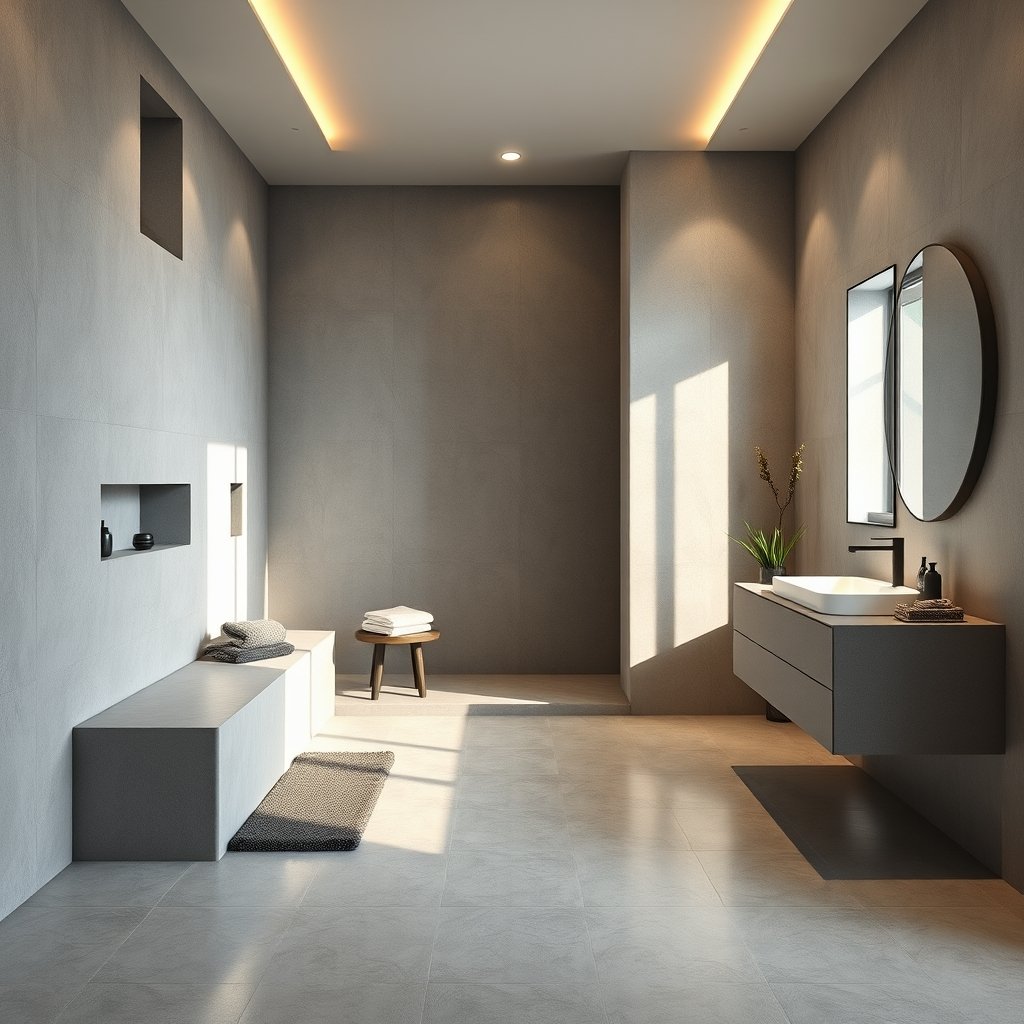
Switching to a microcement bathroom delivers clean, grout-free style and unlocks design options, especially for complex renovations—provided you’re clear-eyed about the costs, risks, and commitment to long-term care. Always prioritize skilled installation and ongoing sealer maintenance. For many projects, microcement is an investment in modern style and easy cleaning, but it pays to know exactly where it saves money—and where it might not.
Still deciding between microcement vs tiles? Get detailed cost/benefit quotes from experienced pros and review local references—and if you want more bathroom troubleshooting ideas, explore Clogged Drain Fixes Every Homeowner Should Know Today for backup solutions during your renovation. Ready to plan your seamless bathroom transformation? Start by checking substrate stability and interviewing reputable microcement installers!
Frequently Asked Questions
Is microcement more expensive than tile for a bathroom renovation?
On simple layouts with entry-level tile, microcement is usually pricier. It becomes competitive or cheaper in bathrooms with lots of curves, built-ins, or when covering stable existing tile (no demo required). In 2024, expect to pay $15–$30/sq ft for microcement installed versus $10–$30/sq ft for tile (materials and labor included).
Can you put microcement directly over old tile?
Yes, if the existing tile is stable, clean, and free from cracks, microcement can be applied directly—often with significant time and cost savings. However, proper preparation and sometimes a waterproofing membrane are needed for best adhesion and durability.
Does microcement need to be resealed often?
Yes, to maintain water resistance, high-traffic and wet areas (like showers) require a sealer reapplication every 1 to 2 years. Lack of maintenance can lead to staining, water ingress, and eventually mold.
Are microcement bathroom repairs invisible?
Usually not. Because the finish is seamless and color-matched on site, repairing chips or cracks rarely results in a perfectly invisible patch. Sometimes, the whole wall or floor section needs refinishing for a uniform appearance.
Is DIY microcement installation realistic for homeowners?
DIY is possible, but challenging. Expect a steep learning curve, need for specialty tools, and a timeline of 7–10 days for proper prep, layering, sanding, and curing. Mistakes can be difficult or costly to fix, so most homeowners hire a specialist for full bathrooms or showers.