

High pressure air drain blasters tools are changing how homeowners tackle tough clogs—fast, mess-free, and without harsh chemicals. But are they worth it for your drains, and what should you watch out for before buying or using one?
Key Takeaways
- High pressure air drain blasters offer rapid clog removal but require proper technique and safety awareness.
- Most consumer models work via compressed air—usually in an unspecified PSI range—forcing blockages to clear.
- There’s little consumer data or buyer guidance, so realistic expectations and careful handling are essential.
- How High Pressure Air Drain Blasters Work
- Step-by-Step Guide: Using a High Pressure Air Drain Blaster
- Advanced Analysis & Common Pitfalls
- Conclusion
- FAQ
How High Pressure Air Drain Blasters Work
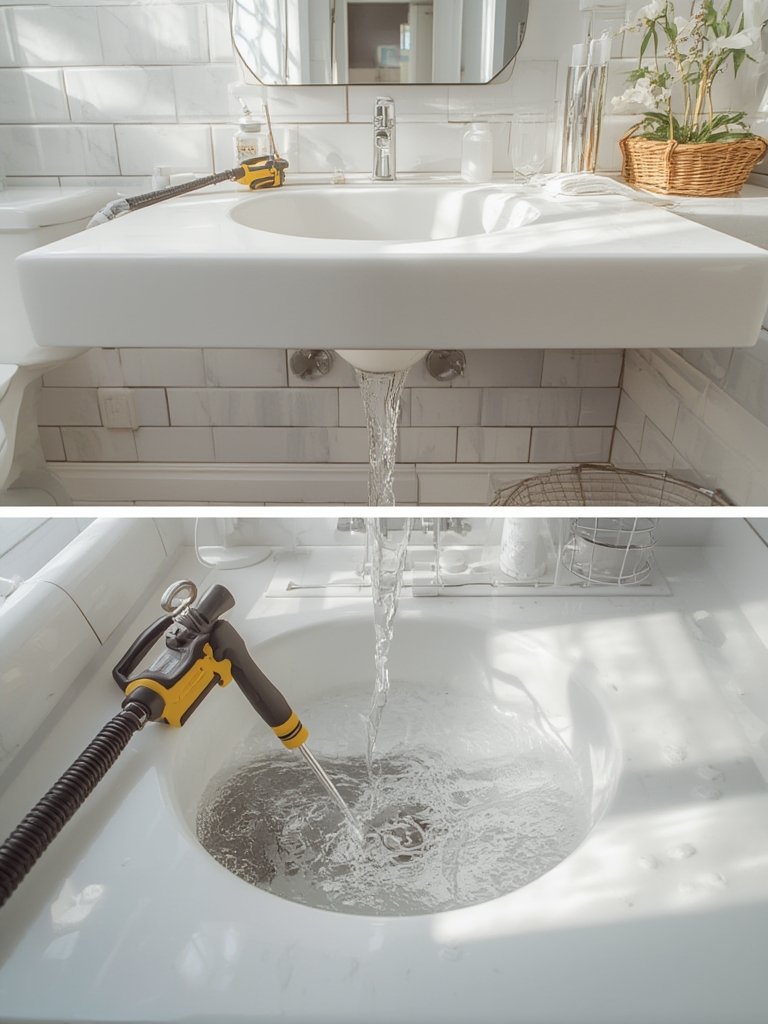
High pressure air drain blasters are manual or pneumatic devices that use a sudden burst of compressed air to dislodge clogs in sinks, toilets, or tubs. They typically feature a trigger, a pressure chamber you pump or charge, and a selection of rubber attachments to create a tight seal over the drain opening.
When triggered, the tool releases a focused air blast through the clog. This forceful shock can drive through stubborn blockages much faster than old fashioned plungers or messy chemical solutions. While industrial models can operate at 58 PSI or more, consumer tools’ PSI ranges aren’t clearly specified by market reports or manufacturers.[source]
Compared to liquid drain openers (which can damage pipes or be unsafe for homes with pets or kids), air drain blasters are chemical-free. They’re also reusable with proper cleaning—extending their value in a household toolkit.
Want more ways to manage stubborn drains? See our guide on drain fix products, lawn care products, and pet essentials for a one-stop resource.
Step-by-Step Guide: Using a High Pressure Air Drain Blaster
- Choose the correct attachment: Most air drain blasters come with a set of interchangeable rubber heads. Select the one that best matches the shape and size of your drain opening for a tight fit.
- Prep the clogged drain: Remove any standing water with a small bucket or cup. Wipe the area so the seal won’t slip.
- Charge the air chamber: Pump (manual) or use the built-in compressor (electric) to pressurize the tool as directed by the instructions.
- Create a tight seal: Firmly press the blaster nozzle onto the drain. A secure seal is vital—if air leaks, the clog won’t budge and water may splash.
- Trigger the blast: Hold the unit steady and pull the trigger. You should hear a sharp “thunk” as air shoots through the pipes.
- Check results: Remove the tool and see if water flows. If the clog remains, repeat up to three times. Avoid excessive force to protect your plumbing.
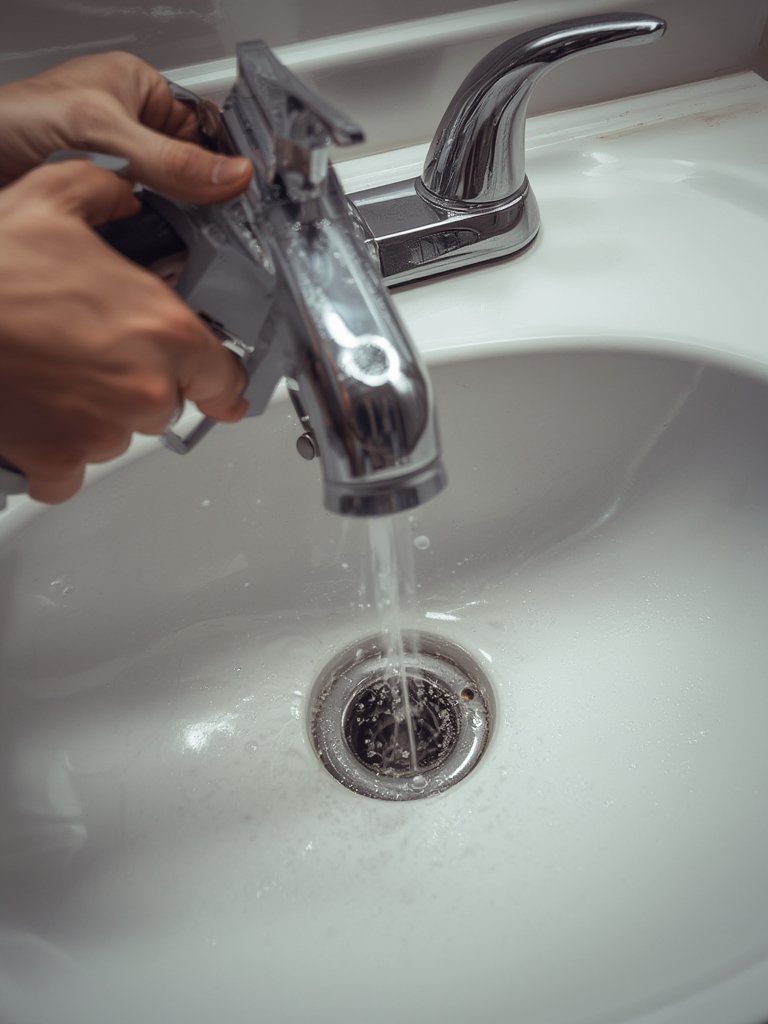
If you’re dealing with recurring bathroom blockages, check our practical guide to quick fixes for stubborn bathroom clogs.
Advanced Analysis & Common Pitfalls
Industry reports show high pressure drain blasters gaining traction in both home and commercial settings, but there’s limited consumer insight or data. Here are common real-world issues you should expect:
- No standardized PSI ratings: Top consumer brands rarely state exact PSI output. Unlike industrial units cited in reports (peaking at 58 PSI), home units vary, making direct comparisons tough.[source]
- Potential water backflow: Using too much force, or failing to seal properly, can send dirty water upwards. This not only creates a mess—over-pressurization could damage old pipes or porcelain fixtures.
- Unclear durability or warranty: There’s virtually no data on average lifespan or warranty coverage, so consider these a buy-at-your-own-risk tool.
- Limited real-world reviews: Unlike traditional plungers, there aren’t many publicly available user reviews—so expectations should be realistic and safety a priority.[source]
If you prefer a broader toolkit, see our walkthrough for clogged drain fixes every homeowner should know.
| Method | Typical Results | Ease of Use | Mess Factor | Cost |
|---|---|---|---|---|
| High Pressure Air Drain Blaster | Fast on soft clogs, possible splashes | Easy (with practice/patience) | Medium (can get messy with strong burst) | Mid-range ($30–$60 est.) |
| Traditional Plunger | Great for simple drain clogs | Very easy | Low to medium | Low ($8–$20) |
| Liquid Chemical Unblocker | Quick, can damage pipes/unsafe | Very easy | Low (but chemical exposure risk) | Low to mid ($8–$25) |
| Manual Snake/Auger | Best for hair buildup, deeper blockages | Moderate skill | Low to medium | Mid-range ($20–$50) |
Want to try eco-friendly yard and sink care together? Our organic fertilizer solutions guide covers plant-safe household strategies.
Some drain blasters advertise lots of attachments, but pricier models don’t always mean more effective results. Cost can vary, but most handheld or manual air blasters for home use seem to fall in the $30 to $60 range. Large industrial equipment can be far higher, but is not meant for typical kitchen or bath blockages.[source]
Conclusion
High pressure air drain blasters can deliver quick, chemical-free clog removal—especially when conventional plunging fails. But with variable power, little warranty information, and risk of splash-back, they’re best used as one option in your drain-fix toolkit. Always read instructions, don’t over-pressurize, and check compatibility with your plumbing first.
Ready to try a high pressure air drain blaster? Start with small blockages, use good technique, and invest in a quality tool for safer, effective results. Stay informed and check out more strategies in our DIY drain repair guide.
FAQ
Will a high pressure air drain blaster damage my pipes?
Not if used as directed. However, too much force or repeated attempts on fragile, old, or PVC plumbing can increase risk of pipe or joint damage. Always start on the lowest pressure and stop if you hear cracking or notice leaks.
Can I use an air drain blaster on kitchen sinks and toilets?
Yes, most come with attachments for both. Make sure the seal is tight and the attachment matches the opening. Don’t use on fixtures with hairline cracks or visibly weakened porcelain.
What should I do if the clog does not clear after several blasts?
If three attempts fail, stop and switch to a manual snake, auger, or call a plumber. Sometimes a stubborn clog is deeper or harder than a home tool can handle.
How do I clean and store my high pressure air drain blaster?
Detach any removable nozzles or rubber fittings, rinse with warm soapy water, and dry thoroughly before storing. Keep the air chamber moisture-free and inspect for wear before each use.
Is there any warranty usually provided with drain blasters?
According to available research, warranty and lifespan details for household air drain blasters are rarely specified. Check the retailer or manufacturer’s documentation before buying for any coverage details.
—