

Looking for freestanding tub ideas that balance design, budget, and real-life installation? Below, find a no-nonsense roadmap to choosing, placing, and maintaining a freestanding tub that fits your style — and your wallet — while sidestepping regrets.
Key Takeaways
- Expect installed costs of $3,600–$4,100 on average, with real price differences by material, plumbing, and brand.
- Plan layout, drainage, and upstairs structural needs before purchase to avoid costly surprises.
- Want lasting value? Prioritize low-maintenance materials and look out for eco-friendly and resale-smart options.
- Why Choose a Freestanding Tub? Fresh design ideas that actually work in real homes
- Real Cost Breakdown — What the Tub Will Actually Cost You
- Cost by Material — Pros, Cons and Typical Price Points
- Placement & Layout — Where a Freestanding Tub Works (and Where It Doesn’t)
- Plumbing & Structural Requirements — What Installers Will Tell You
- Best Freestanding Tub for Small Bathrooms — Design and Brand Picks
- Luxury Brands & When They’re Worth It
- Hidden & Ongoing Costs — Maintenance, Repairs and Lifecycle Projections
- Sustainability & Materials — Eco-friendly Choices
- How a Freestanding Tub Affects Resale Value — What Buyers Notice
- Installation Checklist & Timeline — Steps the Contractor Will Take
- Top Picks by Use Case — Quick Buy Guide
- Quick FAQ — Common homeowner questions answered
Why Choose a Freestanding Tub? Fresh design ideas that actually work in real homes
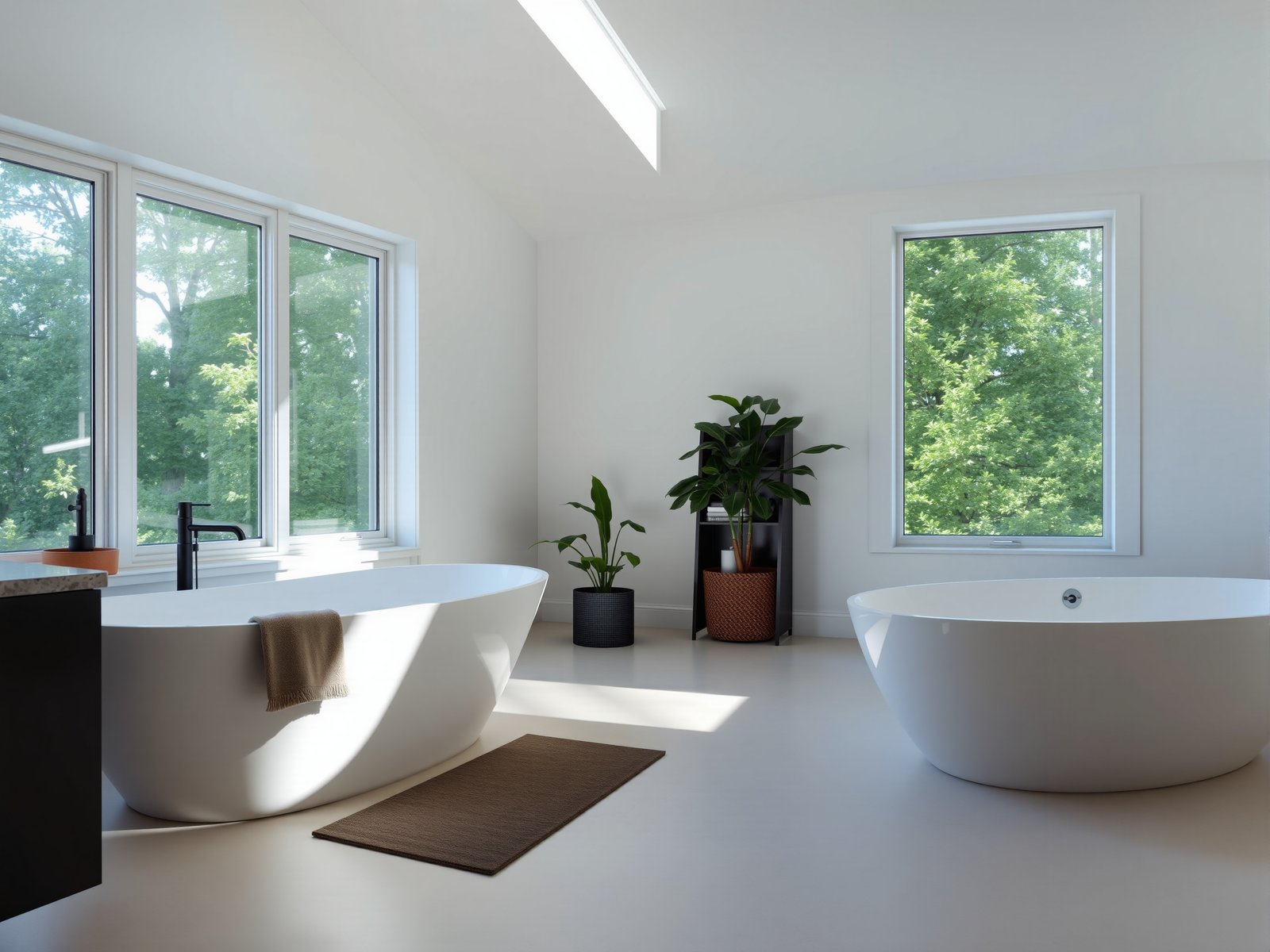
Freestanding tubs instantly elevate a bathroom, providing a spa-like feel and real design flexibility. Picture them as the visual centerpiece of a master bath, a clever soaking solution in smaller rooms, or the showpiece of a second floor retreat. These tubs give you the freedom to reimagine your bathroom — but you need a plan for placement and plumbing before you start shopping.
This style isn’t just about looks. A freestanding tub can increase relaxation and perceived luxury, offering bathing comfort without the boxed-in feel of built-ins. US homeowners report that investing in a quality freestanding tub — with average all-in costs around $3,600–$4,100, including installation — is most likely to pay off when the chosen design fits the space and lifestyle.
Real Cost Breakdown — What the Tub Will Actually Cost You
Understanding the true freestanding bathtub cost USA means looking well beyond the sticker price. Here’s what you should budget for:
- Tub Purchase: Acrylic tubs average $2,500, but you’ll find budget models from Mokleba around $950–$1,100 and popular picks from American Standard at $2,000–$2,500. Stone resin and solid surface tubs hit $4,000–$5,000 (Duravit, ITAVA, KKR Bath), while cast-iron/Kohler often soar to $5,500–$7,000.
- Faucets & Fixtures: Floor-mounted or high-end fillers can add $400–$1,300+ to the budget.
- Delivery: Shipping big, heavy tubs can run $200–$400, especially for cast iron.
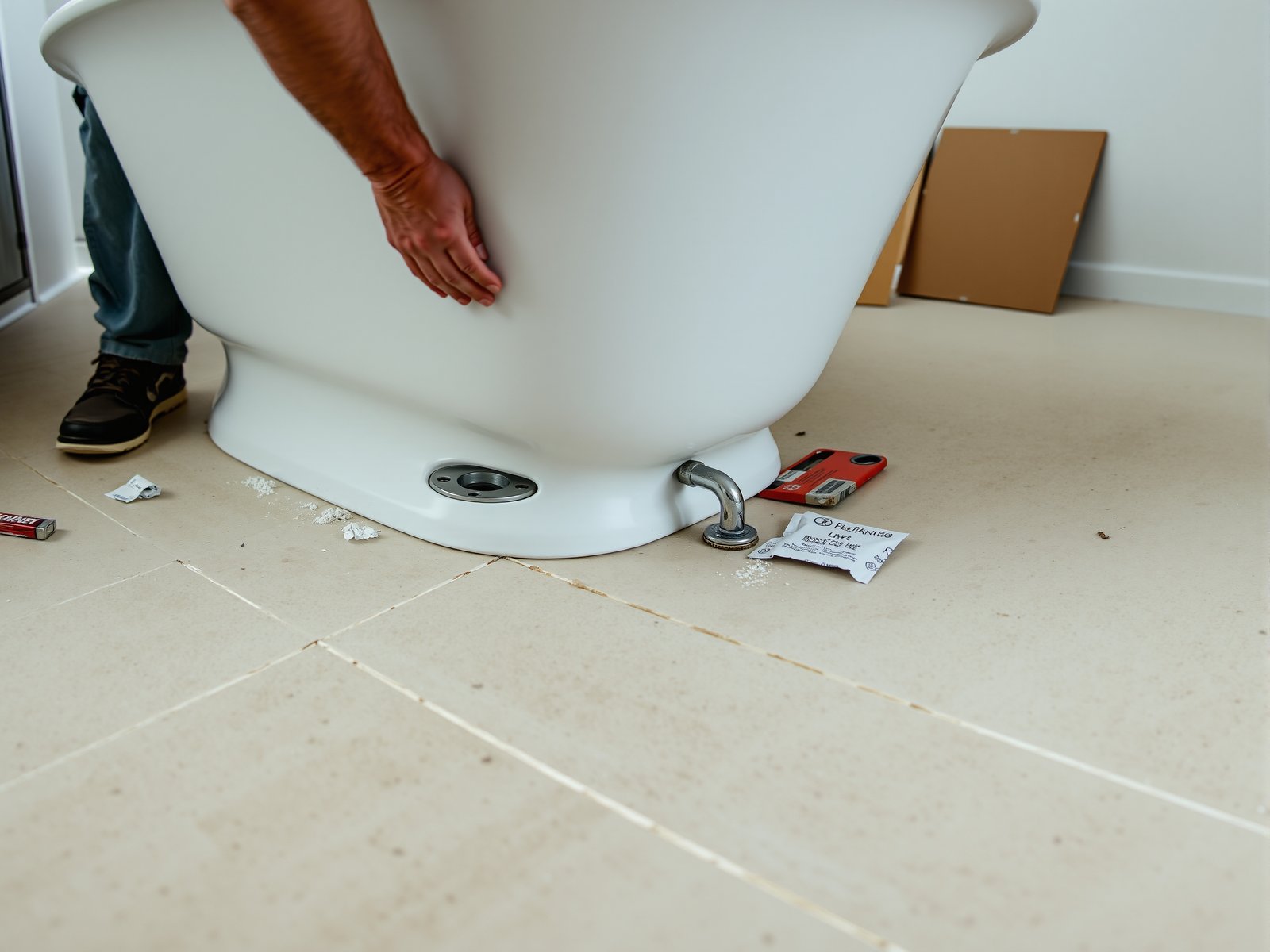
- Floor Prep / Reinforcement: For second-floor or slab installs, blocking or leveling often costs $300–$1,000 extra.
- Plumbing Rework: “Cut and patch” to move a drain or add access often adds $500–$1,500. Not all homes have floor plumbing ready.
- Labor: Plan on $800–$1,400 to cover removal, install, and finishing work by a pro.
For most, an installed total of about $3,600–$4,100 reflects a mid-tier acrylic model with standard installation. Go heavier (cast iron, stone) or fancier with fixtures and brand, and $7,000+ is realistic.
Cost by Material — Pros, Cons and Typical Price Points
The tub material drives not just the buy price, but also heat retention, weight, and long-term maintenance. Here’s a side-by-side look:
| Material | Avg Price Range | Weight | Heat Retention | Durability | Best For |
|---|---|---|---|---|---|
| Acrylic | $950–$2,500 | Light (<150 lb empty) | Good | Scratch-prone, easy to repair | Budgets, small bathrooms, flat bottom |
| Solid Surface/Stone Resin | $4,000–$5,000 | Med-heavy (300 lb+) | Excellent | Chips possible, high-end look | Luxury, modern design |
| Cast Iron | $5,500–$7,000 | Very heavy (400–600 lb+) | Outstanding | Lasts decades, needs strong floor | Historic, premium |
| Composite | $2,500–$4,500 | Varies | Good–Very Good | Mid-market | Family homes |
Acrylic models are easiest on budget and weight, with flat bottom freestanding tub options being stable and ideal for tighter spaces. Stone or cast iron demand sturdier floors, add labor, and cost more, but may look better over time.
Common pitfalls include underestimating tub/floor weight (especially second-floor installs), assuming your existing plumbing works, and failing to budget for cleanup or floor leveling. Don’t let aesthetics trump practicality.
- Sustainability: Eco-friendly tub choices (like recycled or low-VOC materials) impact both health and resale.
- Lifecycle/Repair Costs: Maintenance and repair (chips, stains, caulk) affect true cost over 10–15 years.
- Resale Impact: Spending more pays off only when design, material, and install quality align with buyer expectations.
Make these factors part of your selection to avoid overlooked regrets.
Placement & Layout — Where a Freestanding Tub Works (and Where It Doesn’t)
Placement can make or break your project. Common freestanding soaking tub placement ideas include:
- Centered in the room for dramatic effect (needs all-around clearance; best for large baths).
- Against a low wall or near an alcove to save space and minimize plumbing reroute costs — often practical in small bathrooms.
- Corner or wall-adjacent to tuck a tub out of main walkways with wall-mounted or freestanding faucets.
Rule of thumb: Minimum 4 inches clearance all sides, at least 24 inches from any adjacent vanity or wall for comfortable access. In tight settings, a flat bottom freestanding tub is less tippy and sits closer to the wall.
Homeowners commonly underestimate the labor in cutting for a floor drain or fixing up subflooring. Discuss drain alignment and access panels before demo, not after.
Plumbing & Structural Requirements — What Installers Will Tell You
Properly planning freestanding tub plumbing requirements prevents disaster:
- Floor Drain vs. Wall Faucet: Most tubs require a center or end drain installed in the floor. Some models and small tubs allow for wall-fed faucets if plumbing is close.
- Stub-outs: Need to be precisely located before any tile work is done. Moving an existing pipe adds to the timeline and cost.
- Drain Types: Pop-up and click clack are standard. Make sure you have under-tub access (especially for repairs).
- Access Panels: Needed for maintenance. Don’t skip — you’ll regret it if leaks arise.
- Weight Concerns: When full, a cast iron or stone tub (with bather) easily exceeds 1,000 pounds. Upstairs installs require reinforced joists.
Not sure if your joists are up to code? Bring in a pro, especially on older or second-floor homes.
Best Freestanding Tub for Small Bathrooms — Design and Brand Picks
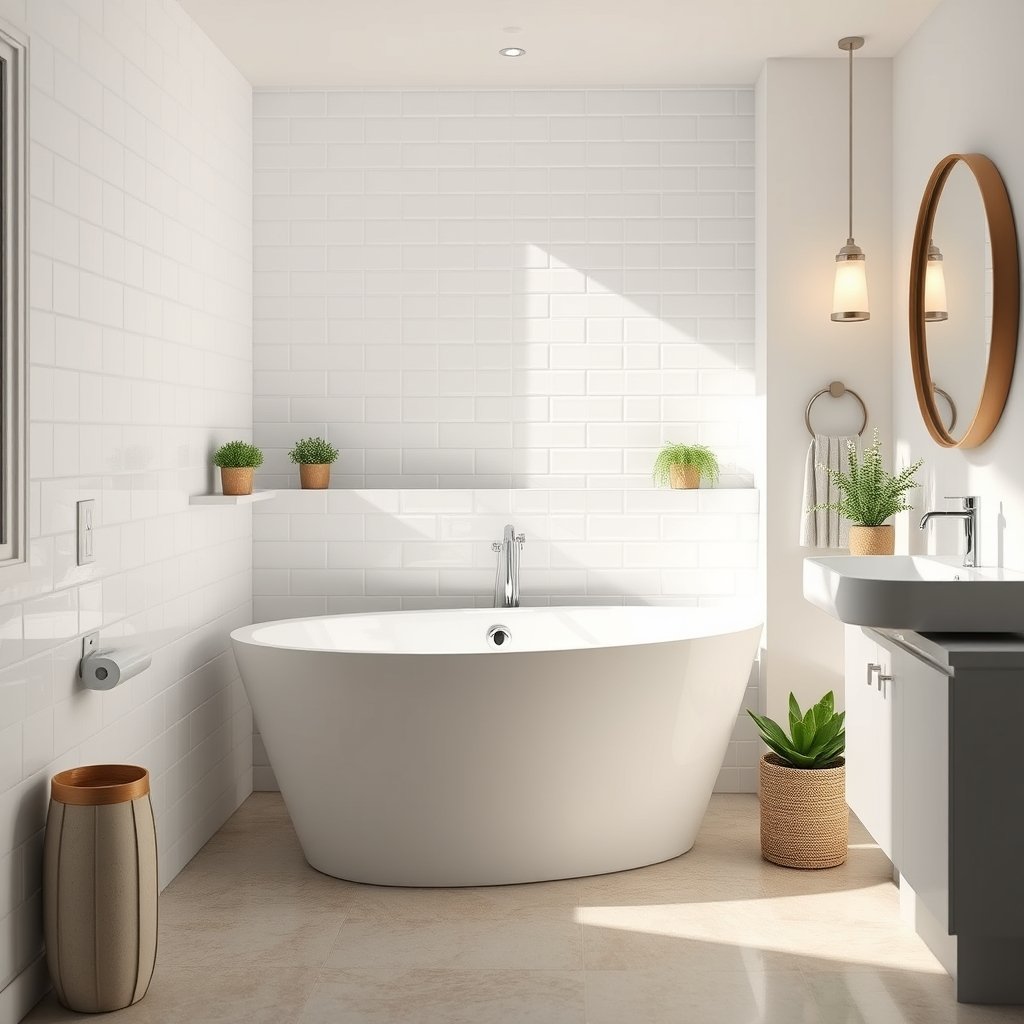
If you’re tight on space, prioritize the best freestanding tub for small bathroom layouts:
- Shape: Slipper and oval tubs save length; rectangular or flat bottom models maximize stability and wall proximity.
- Size: Stick to 48–60-inch tubs. Plenty of sub-$2,500 acrylic models fit these footprints.
- Examples: Mokleba 59″ Acrylic Single Slipper, American Standard 55–60″, or Signature Hardware 54″.
Installation tip: Flat bottom freestanding tub designs allow closer wall placement and safer entry/exit. Look for wall-adjacent or corner installs to free up more floor space.
Luxury Brands & When They’re Worth It
Want stone resin or designer cast iron? Luxury freestanding tub brands to know:
- Kohler: Flawless finish, outstanding heat retention; cast iron models run $5,500–$7,000.
- Duravit: Iconic designs; solid surface or stone resin models in the $5,000–$6,500 range.
- MTI Baths, ITAVA: Bespoke sizing, longer warranties, premium solid surface.
Choose a luxury brand if style, unique size, or bulletproof finish trumps initial price. But beware: you may need to reinforce your floor, and sometimes the warranty only covers residential installs with pro contractors.
Hidden & Ongoing Costs — Maintenance, Repairs and Lifecycle Projections
The total freestanding bathtub cost USA goes far beyond install. Here’s how costs break down long-term:
- Acrylic: Needs periodic buffing for scratches ($75/year), occasional refinish ($300–$400/decade).
- Stone Resin: Prone to chips or stains, costing $150–$300 for repairs every 5–8 years.
- Cast Iron: Can last 40+ years; enamel can chip ($200–$500 repair), occasional re-caulking ($50–$100 every few years).
Spread these costs over 10 years, and your $4,000 install with $800–$1,200 maintenance lands at $480–$520 per year true cost, not counting water or cleaning supplies. Planning for maintenance extends your investment — especially important if you’re not the “detail cleaning” type. For practical tips, see our stubborn bathroom clogs guide for drain and caulk maintenance, and home essentials roundup.
Sustainability & Materials — Eco-friendly Choices
Sustainability often gets ignored in tub shopping, but it matters for resale and health.
- Look for recycled acrylic or low-VOC stone resin products. Brands like KKR Bath and Duravit publicly list material certifications.
- Cast iron, while heavy, lasts decades and is 100% recyclable.
- Water-saving soaking options are available (narrower but deeper).
- Certifications: Greenguard, low-VOC, or GreenGuard Gold for off-gassing reduction.
As green building gains momentum, selecting sustainable options is a smart way to stand out in future listings — and improves bathroom air quality for your household.
For garden and plant lovers, pair an eco-friendly bathroom with organic fertilizer solutions elsewhere in your home.
How a Freestanding Tub Affects Resale Value — What Buyers Notice
A well-chosen freestanding tub can boost your home’s wow factor, but not every tub investment is created equal. Buyers notice:
- Professional Install: Seamless floors, aligned drains, solid feel.
- Material Quality: Stone resin and cast iron signal “premium.”
- Location and Size: Tubs that make a bath feel smaller (or eliminate a shower) can hurt resale.
- Eco Credentials: Increasingly a tiebreaker in hot markets.
A standard or poorly positioned tub may not add value. But a high-end, well-installed freestanding tub in a master bath or luxury guest suite can tip the scales with design-conscious buyers.
For a related look at full-bath upgrades and cost/ROI, see our guide on bathroom remodel cost.
Installation Checklist & Timeline — Steps the Contractor Will Take
Here are the steps your contractor should follow for a headache-free install:
- Measure room and doorways twice — confirm tub will fit both space and access path.
- Plan access panels/drain location with contractor and plumber. Ensure both can reach stub-outs after tile/finishes.
- Decide on faucet placement before ordering (floor-standing, wall mount, rim mount).
- Assess floor structure — reinforce as needed, especially above basements or on upper floors.
- Arrange delivery (cast iron or stone may require a team or even a crane for tight turns).
- Coordinate permits and inspections as required by local code.
- Final walkthrough and cleaning; test for leaks and drain flow before signing off.
Biggest causes of cost overruns: unexpected plumbing relocation, structural reinforcement needs, or missed measurements. Keep your budget $3,600–$4,100 in view, and ask for a written timeline before deposit.
Top Picks by Use Case — Quick Buy Guide
No time to shop every brand? Here are standout picks for each need and budget:
- Budget (<$2,500): Mokleba 59″ Acrylic Slipper — lightweight, stylish, widely available.
- Mid-range ($4,000–$5,000): ITAVA Solid Surface 60″ — premium look, better heat retention, moderate weight.
- Luxury ($5,500–$7,000): Kohler “Iron Works” Cast Iron — unmatched durability, classic appeal (be sure to reinforce floor!).
- Best Freestanding Tub for Small Bathroom: American Standard 55″ Oval Acrylic — flat bottom, compact install, affordable to boot.
When shopping, ask about included drains, required hardware, and delivery details. For more owner-tested picks and real fitting tips, visit our freestanding tub ideas guide.
Quick FAQ — Common homeowner questions answered
Do I need floor plumbing for a freestanding tub?
Most tubs require a centered floor drain, but some can use wall plumbing. Plan drainage before you order to skip expensive surprises.
Can a freestanding tub go on my second floor?
Yes, but filled tubs plus bather often exceed 1,000 pounds. Older joists typically require reinforcement.
How do I keep the area under and around the tub clean?
Dust and hair accumulate fast! Use a microfiber mop or vacuum with a crevice tool. Flat-bottom designs sit closer to the floor and reduce cleaning hassle.
Flat, slipper, or oval — which shape is easiest for small bathrooms?
Flat-bottom and compact oval tubs save the most space and are more stable. Slipper tubs may offer comfortable lounging with a smaller footprint but need careful placement.
What’s the best way to avoid clogs in my new freestanding tub’s drain?
Install a quality hair catcher or pop-up strainer. See our tub hair catcher guide for top picks and smarter cleaning routines.
Conclusion
Choosing the right tub is more than picking a style picture. With smart planning, honest budgeting, and a focus on practicality, your freestanding tub can transform your bathroom—and your daily routine. Focus on material, placement, plumbing, and ongoing costs to avoid the most common regrets. Ready to move from freestanding tub ideas to action?
- Measure your bathroom and double-check doorways.
- Consult a plumber and, for upstairs installs, a structural pro.
- Define your target budget and realistic price band.
- Shortlist 3 tubs (by size, weight, and material), then ask each seller about delivery and returns.
Next step: Download our one-page freestanding tub pre-install checklist before you buy. Make your freestanding tub ideas a reality—stress free, cost-smart, and built to enjoy for years. If you need help troubleshooting plumbing, our drain fixes guide has you covered.
—