

### Blog Post:
Baking soda vinegar hot water drain hack has become one of the most popular household remedies for minor clogs, promising to clear out stubborn drains with just a few pantry staples. But does it really work in 2024—or are you risking more frustration and possible pipe damage down the line? In this guide, you’ll see the researched reality, step-by-step directions, and smarter alternatives for actually fixing slow or clogged drains.
Key Takeaways
- The baking soda, vinegar, and hot water drain hack only provides minor temporary relief for some organic buildup and is often ineffective for hair, grease, and mineral clogs.
- Recent findings show dish detergent with hot water outperforms the fizzing method on grease-based clogs, and vinegar alone is best for mineral scale.
- Repeated use of this hack can cause salt and mineral residue buildup, potentially making plumbing problems worse over time.
- How the Baking Soda Vinegar Hot Water Drain Hack Works
- Step-by-Step Guide: Trying This DIY Hack Safely
- Advanced Analysis & Common Pitfalls
- Conclusion
- FAQ
How the Baking Soda Vinegar Hot Water Drain Hack Works
The core idea behind the baking soda vinegar hot water drain hack is combining an acid (vinegar) and a base (baking soda) to cause a fizzing chemical reaction. This reaction produces carbon dioxide, water, and salt. The fizzing is supposed to agitate debris and loosen clogs inside pipes, while the hot water helps to flush out the loosened material.
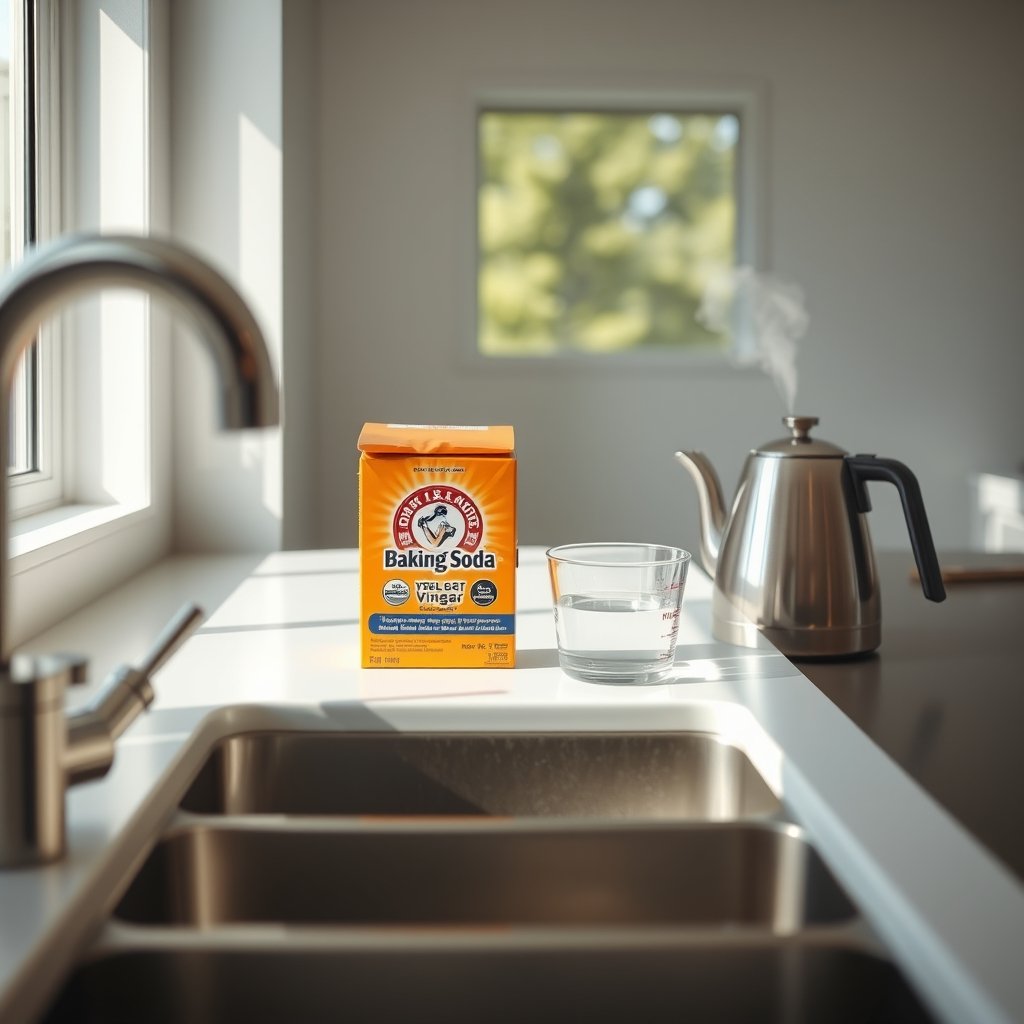
However, this method mostly provides only modest scrubbing action against very light organic buildup like soap scum or fresh hair. Independent plumber tests, including those evaluated in recent analyses, show it fails to break down grease, thicker hair mats, soap scum layers, or mineral scale. The neutralization renders both agents less effective, especially when compared with targeted approaches like a dish detergent flush (for grease) or vinegar alone (for mineral scale).
For most major clogs—especially those with months of accumulated gunk—the pressure from CO2 gas is too weak to push past the vented, wide spaces in home drain pipes. This is why plumbers overwhelmingly call this hack only a temporary band aid, not a permanent fix.
For more proven methods and essential tools all homeowners should know, visit Clogged Drain Fixes Every Homeowner Should Know Today.
Step-by-Step Guide: Trying This DIY Hack Safely
If you still want to attempt the baking soda vinegar hot water drain hack for a slow kitchen or bathroom drain, follow these steps carefully to minimize risks.
- Boil water. Heat at least 2 cups of water until almost boiling. Avoid pouring boiling water directly into PVC pipes to prevent warping. Let the water cool slightly if needed.
- Add baking soda. Pour about half a cup of baking soda directly into the affected drain.
- Pour vinegar. Slowly add 1 cup of plain white vinegar into the drain. Immediately cover it with a drain cover or a wet rag to contain the fizz in the pipe for a minute or two.
- Wait 10-15 minutes. This gives the fizzing reaction time to work, although most chemical activity finishes in the first 2-3 minutes.
- Flush with hot water. Pour the hot water you boiled earlier down the drain to force any loosened material through the system.
Repeat the process once if the water drains slowly, but do not overdo it—excess residue can build up in pipes over time.
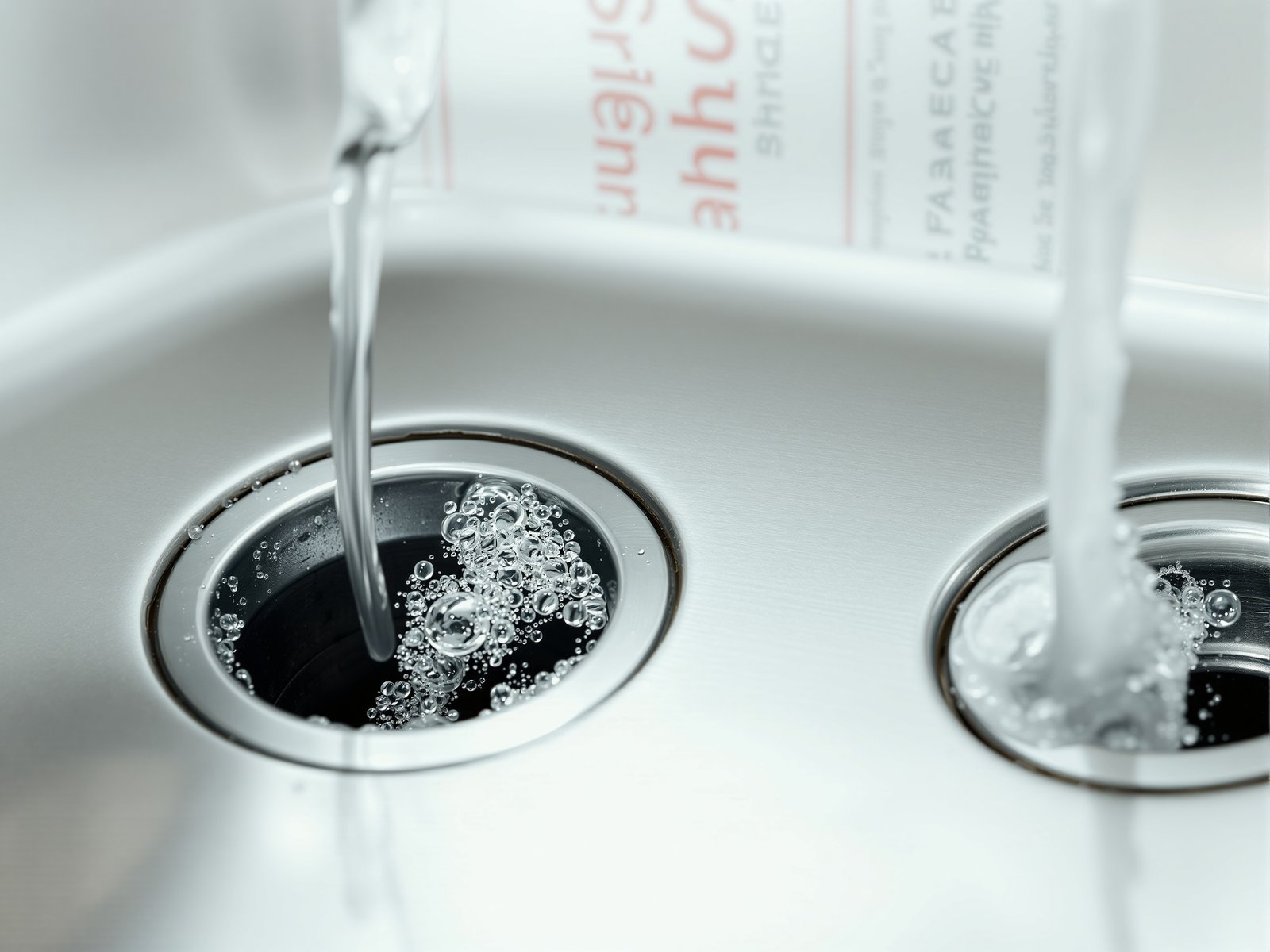
If your clog persists after two rounds, stop and consider other options—the problem is likely too severe for this method. Tools like a drill powered drain auger or an enzymatic drain cleaner may be required, or you may need to call a plumber.
For a guide to quick solutions specifically for bathroom sinks and shower hair clogs, don’t miss Quick Fixes For Stubborn Bathroom Clogs.
Advanced Analysis & Common Pitfalls
It’s tempting to expect a miracle fix from the internet’s favorite home remedy, but recent plumbing field tests and chemistry evidence highlight clear limitations. Here’s what can go wrong, and what (if anything) really works.
| Blockage Type | At-home Remedy Struggles | Best Lab-Tested Natural Solution |
|---|---|---|
| Grease (FOG) | Baking soda and vinegar make salt water—no emulsification, so grease remains (source). | Dish detergent + hot water fully melts grease in lab tests. Use plain detergent flush instead. |
| Hair | Only minor fizz breaks up loose strands—matts and clumps remain (source). | No lab-tested natural remedy; manual removal or enzymatic drain cleaner preferred. |
| Soap Scum | Weak breakup on buildup, limited effect (source). | No proven natural method—cut with enzyme products if buildup is chronic. |
| Food Particles | Helps only for very minor soft debris; thicker residues resist fizz effect. | Salt and hot water flush offer anecdotal results at best, lab data lacking. |
| Mineral Buildup | Vinegar is neutralized by baking soda; less effective together (source). | Vinegar alone dissolves scale more effectively; still typically slow and partial. |
The biggest homeowner frustrations are persistent slow drains after repeated attempts, and having minor issues turn into full blockages due to residue buildup. No reliable user testimonials confirm success against thicker clogs, and most plumbing experts warn against over-reliance on this hack for anything but early-stage organic problems.
Safety is another concern: Excessive hot water can warp or damage PVC piping, while the salt/mineral byproducts of the reaction can accumulate inside older pipes, potentially leading to corrosion or expensive repairs. No plumbing warranty void is universally specified, but residue risks and worsened clogs are repeatedly noted in field reports.
If you want proven alternatives (especially for hair and mainline clogs), compare drain-cleaning gels in Hair Dissolving Gel For Shower Drain or prevent future problems with solutions from Silicone Tub Hair Catcher Mushroom.
Conclusion
The baking soda vinegar hot water drain hack is safe and cheap for occasional use on light organic buildup, but science and plumbers agree: it won’t dissolve grease, thick hair, or mineral scale, and may actually make matters worse with repeated use. For effective alternatives, dish detergent with hot water melts grease fast, vinegar alone helps against mineral scale, and enzymatic or mechanical methods tackle tougher clogs. If the baking soda vinegar hot water drain hack hasn’t worked after two attempts, it’s best to stop and try a more targeted solution—or call a professional plumber. Ready to solve stubborn clogs for good? Explore our complete home guide on Top Drain Fix Products, Lawn Care & Pet Essentials.
FAQ
Does the baking soda vinegar hot water drain hack work on all types of clogs?
No—this hack only has a bit of effect on minor organic blockages, like loose hair or soap scum. It doesn’t dissolve grease, thick hair, or mineral scale. For persistent or recurring clogs, switch to other methods or call a professional.
Can I use baking soda and vinegar together with hot water in PVC pipes?
You can, but it’s critical not to pour boiling water into PVC as it could warp or damage the pipe. Hot (not boiling) water is a safer option, especially in older systems.
What’s a better alternative for grease clogs?
Skip baking soda and vinegar. Use a large squirt of dish detergent followed by very hot water. The surfactants break up grease much more effectively, as shown in plumber tests.
Does using this hack too often harm my pipes?
Repeating this hack can lead to salt and mineral residue building up inside pipes, especially older plumbing. Over time, this could worsen clogs or contribute to corrosion, so use it sparingly.
How much does it cost to use this hack versus calling a plumber?
The cost to use this method is typically less than $1 in supplies and about 15–30 minutes of your time. Plumber visits cost much more, but are needed for serious blockages or if repeated hacks fail.