

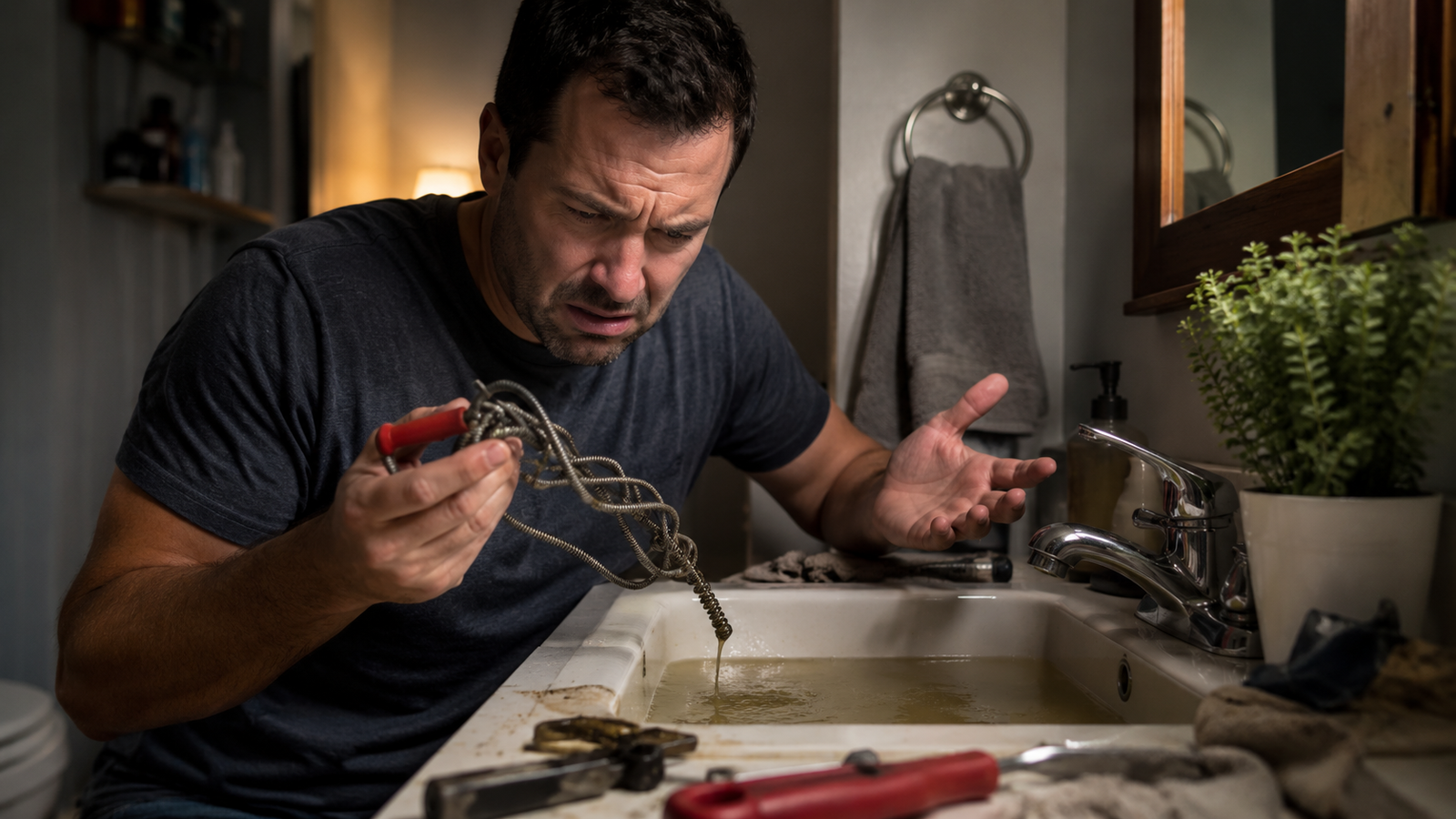
When facing a stubborn clog, the immediate thought for many homeowners turns to a DIY fix. However, before reaching for that drain snake or chemical cleaner, understanding the crucial role of a professional sewer camera inspection can save you from far costlier mistakes and extensive plumbing damage down the line.
Key Takeaways
- Common DIY drain clearing methods like misusing snakes, plungers, or attempting hydro-jetting often worsen plumbing problems.
- Improper DIY techniques can scratch pipes, embed clogs deeper, damage fittings, and even lead to severe flooding.
- A professional sewer camera inspection is essential for accurately diagnosing the true cause and extent of a blockage or damage without guesswork.
- The Hidden Risks of DIY Drain Clearing: When Simple Clogs Become Serious Problems
- Mistake #1: Misusing Drain Snakes and Augers Damages Your Pipes
- Mistake #2: The Plunger Pitfall – Incorrect Technique Worsens Blockages
- Mistake #3: The Illusion of DIY Hydro-Jetting Can Cause Major Flooding
- The Unseen Damage: Why Professional Sewer Camera Inspection Becomes Crucial
- Safe & Effective DIY Solutions for Minor Hair Clogs (When Used Correctly)
- Conclusion
- FAQ Section
The Hidden Risks of DIY Drain Clearing: When Simple Clogs Become Serious Problems
The allure of a quick, cheap DIY fix for a slow-draining sink or backed-up toilet is strong. However, what often starts as a minor clogged drain fix can quickly escalate into a far more significant, expensive plumbing nightmare if not handled correctly. Many homeowners, in an attempt to clear a blockage, inadvertently exacerbate the problem through improper techniques, unknowingly damaging their pipes or pushing the obstruction deeper into the system.
Understanding the true nature of a blockage is key, and without the right diagnostic tools, you are essentially working blind. This is where the importance of a drain pipe camera inspection becomes evident, offering a clear view into the pipes before any invasive or damaging attempts are made. Homeowners most often make three core errors that turn a simple blockage into a bigger problem: they misuse drain snakes by forcing or over-spinning the cable, using the wrong length or size and pushing it past resistance instead of pulling it back—this can scratch pipe walls, embed the clog deeper or even break the snake. They employ plungers incorrectly, either using a toilet-type plunger on a sink or applying rapid up-and-down thrusts that merely shove debris farther into the trap. And they attempt DIY hydro-jetting or “garden-hose blasting,” which lacks the pressure to clear roots or hair and can cause flooding, pipe deformation or damage to seals—mistakes that can be easily avoided with proper knowledge or professional intervention.
Mistake #1: Misusing Drain Snakes and Augers Damages Your Pipes
Drain snakes and augers can be effective tools for clearing certain clogs, but their misuse is a primary cause of further pipe damage. Homeowners often make critical errors when attempting to clear a blockage with these tools, thinking more force equals better results. A small hand snake can help with a shallow clog near the drain opening.
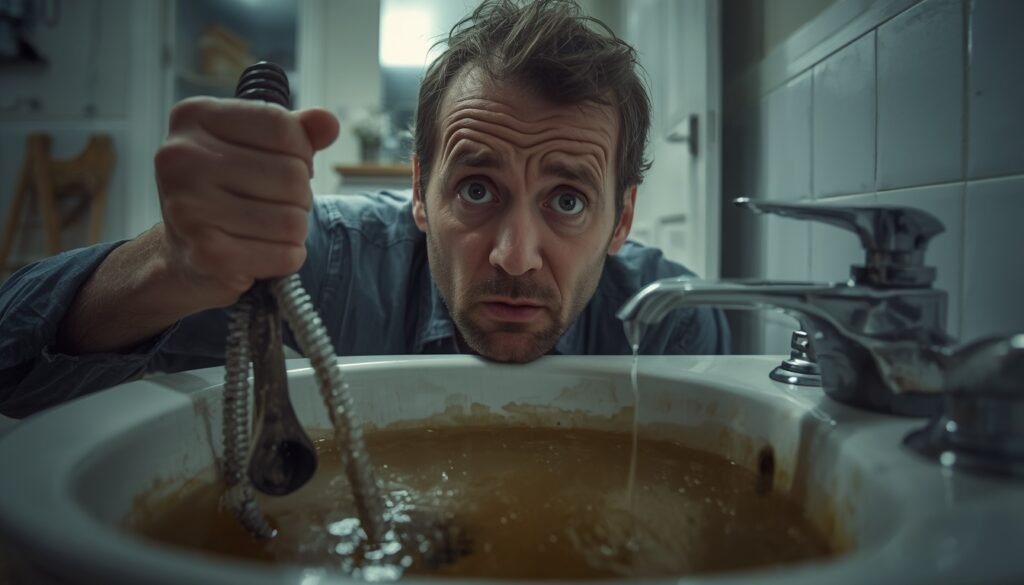
The most common mistakes include forcing the cable through tight bends, using a snake that’s the wrong size or length for the pipe, or pushing the snake past resistance instead of slowly working it back. These actions can scratch pipe walls, damage fittings, or even cause the cable to become stuck, especially in older drain systems or small branch lines. Improper use often pushes the clog deeper into the plumbing system, making it harder to reach and more challenging for even professionals to remove. You may think the drain is clear, but the snake may have only punched a small hole through the blockage, which is one of the most common DIY drain cleaning mistakes. For larger, deeper clogs that a small hand snake cannot reach, attempting to force it can lead to significant damage that a drill powered drain auger 25ft might address if used by a professional, but poses an even greater risk for DIY enthusiasts. This is why a sewer line video inspection is often the first step a professional plumber will take to assess the situation.
Mistake #2: The Plunger Pitfall – Incorrect Technique Worsens Blockages
A plunger appears to be a straightforward tool, but incorrect usage is surprisingly common and can worsen blockages. There are two main types of plungers: a cup plunger for sinks and tubs, and a flange plunger (often called a toilet plunger) designed specifically for toilets. Using the wrong type, or using any plunger incorrectly, is ineffective and can push debris further into the drain system.
When trying to fix a clogged toilet, people often plunge in an up-and-down motion really quickly, which can cause dirty water to splash on themselves and the floor around the toilet. This rapid, aggressive plunging creates turbulence rather than focused pressure, often dislodging the clog only temporarily or moving it deeper into the trap. Instead, ensure the toilet plunger has completely covered the drain, then plunge slowly up and down, never lifting the plunger from the drain to maintain a strong seal.
For sink or tub clogs, a cup plunger is appropriate. Before plunging, cover the overflow opening with a damp rag to keep pressure focused solely within the drain. Use a few firm plunges to loosen soft debris without resorting to harsh chemicals. If the clog keeps returning, it indicates a deeper issue that requires professional drain cleaning attention. For quick fixes for stubborn bathroom clogs, proper plunging technique can sometimes make a difference, but always be mindful of not worsening the situation. Learning how to unclog a drain without chemicals often begins with correct plunger use, but knowing when to stop and call for a drain camera inspection service is crucial.
Mistake #3: The Illusion of DIY Hydro-Jetting Can Cause Major Flooding
Inspired by professional plumbing techniques, some homeowners attempt “DIY hydro-jetting” using a garden hose or an inadequate pressure washer attachment. This is a particularly dangerous and often ineffective approach that can lead to significant pipe damage or even major flooding in your home.
Hydro-jetting is a powerful drain cleaning method that uses high-pressure water streams to blast away stubborn clogs, grease buildup, and even tree roots. However, it requires specialized equipment capable of generating extreme water pressure, far beyond what a typical garden hose or consumer-grade pressure washer can provide. A garden hose is not the ideal equipment for trying to unblock a drain. The pressure from it will probably not be heavy enough to unblock the drain. This is especially true if the drain is outside and has been blocked by tree roots or small animals.
Attempting to DIY hydro-jetting can cause flooding, which will only make matters worse. Furthermore, without proper training and equipment, the high pressure can damage older or weaker pipes, deform fittings, or compromise seals, leading to leaks and costly repairs. Professional hydro jetting drain cleaning involves a trained technician who knows how to control the pressure and navigate the jetting hose through the plumbing system safely and effectively. Using a garden hose is a risky gamble for any residential sewer camera issue, as it simply lacks the power to clear serious blockages and carries a high risk of creating more problems than it solves.
The Unseen Damage: Why Professional Sewer Camera Inspection Becomes Crucial
When DIY drain clearing attempts fail, or worse, worsen the problem, the actual damage often remains hidden within your pipes. This unseen damage—whether it’s scratched pipe walls, embedded clogs, damaged fittings, or cracked sections from aggressive snaking or misplaced plungers—necessitates a professional sewer camera inspection. Without a clear view inside your plumbing, diagnosing the true issue is impossible, leading to guesswork and potentially unnecessary or ineffective repairs.
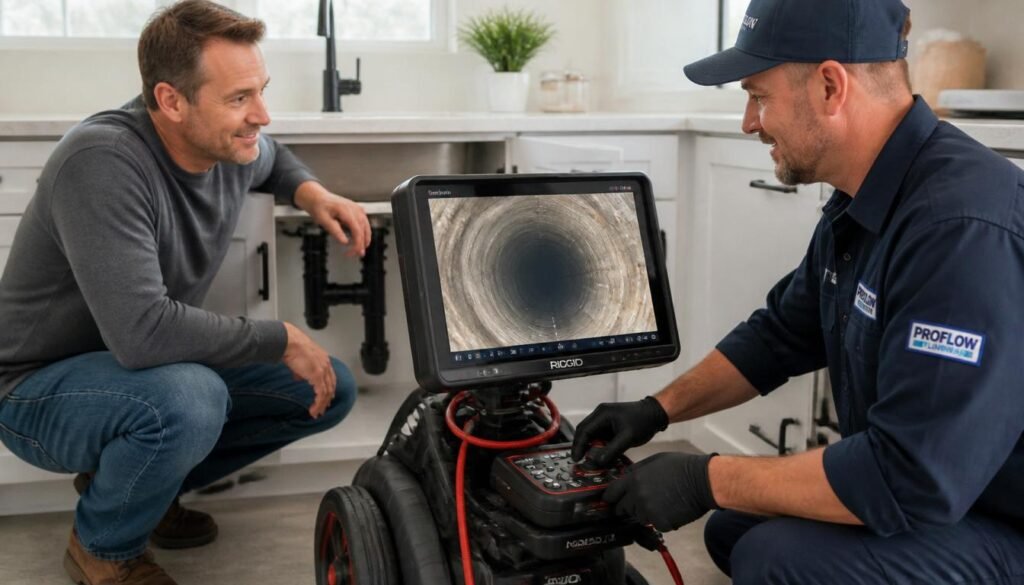
A professional sewer camera inspection involves inserting a high-resolution, waterproof camera attached to a flexible rod into your drain system. This camera transmits live video footage to a monitor, allowing the plumber to see the exact condition of your pipes in real-time. They can accurately pinpoint the location and nature of any blockage, identify pipe damage, detect tree root intrusion, or discover other structural issues that DIY methods not only failed to address but might have caused.
If you try to get this job done all by yourself without having the necessary knowledge about it, things might go wrong, followed by high expenses to repair any faults and blockages in the drain, pipes, and sewer. So, call a local professional plumber. This diagnostic step is crucial for planning the most effective and least invasive repair strategy, saving you time and money by avoiding costly trial-and-error approaches. When you’re searching for a “pipe inspection camera near me,” you’re looking for a service that can provide clarity and an accurate diagnosis before committing to any major work.
Safe & Effective DIY Solutions for Minor Hair Clogs (When Used Correctly)
While severe or recurring clogs demand professional attention, some minor hair clogs can be safely and effectively addressed with specific, inexpensive DIY tools. The key is knowing when and how to use them correctly, and recognizing their limitations. These methods are primarily for surface-level hair blockages, not deep-seated pipe issues.
For hair-specific clogs, plumbers consistently recommend three non-chemical tools. These include:
- A flexible plastic hair snake (e.g., Drain Weasel or barbed zip-stick) sold at Amazon, Home Depot, and Walmart for roughly $6-$9 per piece. These tools are designed to grab and pull out hair clogs without damaging pipes.
- A hand-operated drum or wand-style auger (¼- to ½-inch diameter) available at Home Depot, Lowe’s, and Ace Hardware for about $18-$24. These are more robust than plastic snakes but still require careful handling to avoid pipe damage.
- A portable wet/dry shop-vac (12-15 L capacity) that can suction loose hair from the trap, found at Amazon, Home Depot, and Walmart with an average price of $75-$90. This method is excellent for pulling out surface-level debris without pushing it deeper.
These tools, when used properly, can provide effective drain fix products for minor issues. The critical distinction is that these are for minor, easily accessible clogs, often hair-related, and not for complex blockages, grease buildup, or structural pipe problems that would require a comprehensive sewer scope inspection cost and professional equipment. Prevention is also vital; using drain hair catchers in showers and sinks can significantly reduce the frequency of clogs, minimizing the need for even minor DIY interventions.
Conclusion
While the urge to tackle a drain clog yourself is understandable, it’s crucial to recognize the potential pitfalls and long-term consequences of improper DIY methods. Misusing drain snakes, incorrect plunging techniques, or attempting high-pressure cleaning with inadequate tools can escalate minor inconveniences into severe plumbing damage, leading to more costly repairs down the road. For homeowners experiencing persistent drain issues or those who have exhausted safe DIY options, a professional sewer camera inspection is not just an option, but an essential diagnostic step. It provides the clarity needed to accurately identify the problem, allowing for targeted and effective solutions, saving you time, money, and future headaches. Don’t guess, inspect.
FAQ Section
What is a sewer camera inspection?
A sewer camera inspection involves a plumber inserting a waterproof, high-resolution camera attached to a flexible rod into your drain and sewer lines. This camera transmits live video footage to a monitor, allowing the technician to visually inspect the interior of your pipes for blockages, damage, or other issues.
How much does a sewer camera inspection cost?
The average cost for a sewer camera inspection can vary based on location, the complexity of your plumbing system, and the length of the inspection. It’s generally a wise investment, as it can prevent more expensive repairs by accurately diagnosing problems.
When should I get a professional sewer camera inspection?
You should consider a professional sewer camera inspection if you experience recurring clogs, slow drains, foul odors from drains, gurgling noises, or if you’re buying an older home. It’s also crucial if you’ve attempted DIY fixes that failed or suspect deeper pipe damage.
Can a sewer camera inspection find tree roots in my pipes?
Yes, one of the primary benefits of a sewer camera inspection is its ability to clearly identify tree root intrusion into your sewer lines, which is a common cause of blockages and pipe damage.
Is a sewer camera inspection worth the investment?
Absolutely. A sewer camera inspection provides invaluable insight into the condition of your plumbing system, allowing for precise problem identification. This prevents guesswork, reduces the risk of further damage from improper repairs, and can ultimately save you significant money on unnecessary or ineffective solutions.