

Hair dissolving gel for shower drain is often marketed as an easy fix for clogs, especially when constant hair buildup causes slow drainage. It sounds simple—squeeze, wait, rinse—but does it really work, and is it safe? In today’s guide, we cut through the hype and share what you should really know before pouring any chemical gel down your pipes.
Key Takeaways
- Hair dissolving gels are designed to target hair clogs in shower drains, but there is little verified data on their actual effectiveness compared to classic drain cleaning methods.
- Most formulas depend on powerful chemicals—usually lye or caustic agents—which can carry risks for old or delicate pipes and may not always work on tough or compacted clogs.
- Using gels safely requires careful handling and realistic expectations; always consider alternatives and preventative strategies for best results.
- What Is Hair Dissolving Gel for Shower Drain?
- How to Use Hair Dissolving Gel: Step-by-Step Guide
- Advanced Analysis and Common Pitfalls
- Conclusion
- FAQ
What Is Hair Dissolving Gel for Shower Drain?
Hair dissolving gel for shower drain is a chemical solution designed specifically to break down and clear hair-related clogs within shower or tub pipes. These gels focus on targeting strands of hair, which are notorious for tangling with soap residue, skin cells, and forming stubborn blockages over time. The concept is straightforward: pour the gel into the drain, wait as it supposedly dissolves the obstruction, and then flush with water.
These products typically list lye (sodium hydroxide) or similar caustic compounds as the main ingredients to eat through hair. Some promise results within minutes, while others suggest letting the product sit overnight for thorough dissolution. Despite bold marketing claims, recent research reveals little published data on how well these gels outperform traditional remedies such as plungers, drain snakes, or enzymatic cleaners. [Statista]
Consumers often choose hair dissolving gel for its perceived simplicity and low physical effort. However, performance varies widely depending on drain materials, clog severity, and product quality. For a deeper look at the best products for home maintenance—including drain care and prevention—check out our Complete Home Guide for expert recommendations.
How to Use Hair Dissolving Gel: Step-by-Step Guide
Applying hair dissolving gel for shower drain blockages is fairly simple, but maximizing safety and results means following these steps:
- Read the product label. Not all gels are equally strong—review instructions for required quantities, waiting periods, and safety directions.
- Ventilate the bathroom. Open a window or turn on the fan. Chemical fumes can be irritating or even hazardous in closed spaces.
- Wear protective gear. Gloves and eye protection are a must in case of splashes. Lye and caustics can burn skin on contact.
- Remove standing water. If possible, bail out or plunge excess water so the gel reaches the clog directly.
- Apply the gel slowly. Pour the recommended amount directly into the drain. Don’t mix products together, as this increases risk of toxic reactions.
- Wait the specified time. Most gels require 15–30 minutes, but for tough clogs, overnight sitting times can be more effective.
- Flush the drain. Use hot (but not boiling) water to rinse and test flow. Repeat once if needed, but if results are poor, try a physical removal method or call a pro.
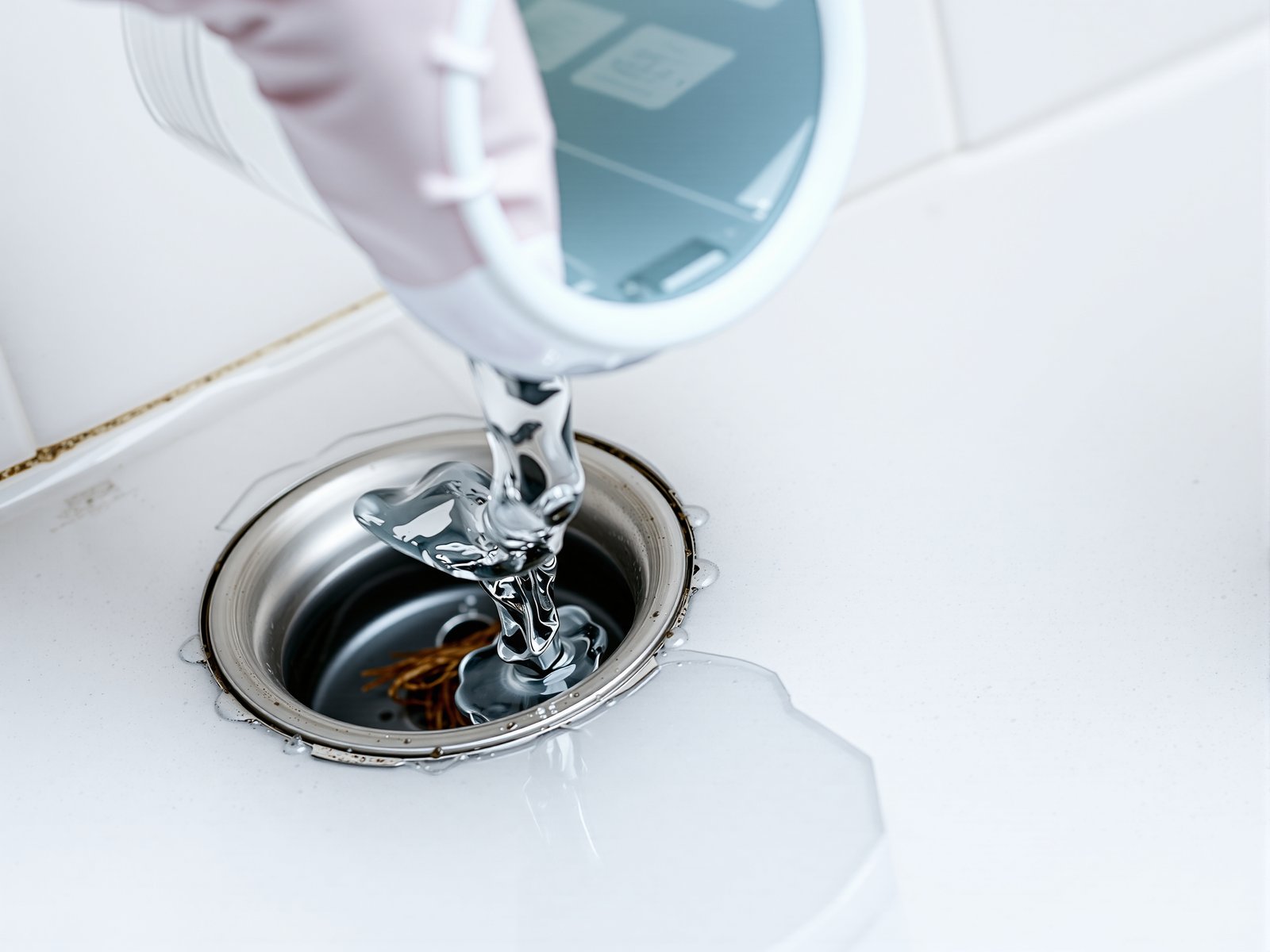
If the clog persists after a second attempt, don’t keep pouring more chemical—excessive use can damage pipes and waste money. Instead, consider proven alternatives: our quick fixes for stubborn bathroom clogs guide lists manual and mechanical methods, or look into using a powered drain auger for serious blockages.
Advanced Analysis and Common Pitfalls
Given the lack of transparent 2024 data on the true effectiveness or verified safety of hair dissolving gels for shower drains, it’s best to approach these products with clear expectations and a healthy dose of caution. Here are real issues and potential downsides:
- Product Limitations: Gels may not reach deep or compacted hair clogs, especially if fat, soap, or debris are mixed in. They work best on recent, loose blockages near the surface.
- Pipe Safety: Caustic gels can corrode aging or sensitive pipes—especially older PVC or metal lines. Overusing gel can accelerate wear-and-tear.
- Unclear Ingredients: Many bottles provide little detail on chemical concentration or risk levels. Transparency is rare in consumer-grade products.
- False Claims: Some marketing guarantees “instant” or “15-minute” results. However, as seen with topical depilatories, contact time, pH, and concentration all directly affect performance and safety—higher strength isn’t always better and can be dangerous. See this technical paper for background on chemical hair removal safety.
- Lack of Pet Hair Solutions: Current gels are not designed for pet fur—no major brands market specific “pet hair dissolving” features.
- Potential Health Hazards: Lye-based products can cause severe burns, eye damage, or dangerous fumes—especially when misused or mixed with other chemicals.
- Cost Issues: With no current cost or industry price reporting, consumer gels can be overpriced, especially compared to effective enzymatic solutions or reusable hair catchers.
| Method | Pro | Con |
|---|---|---|
| Hair Dissolving Gel | Easy to use, requires no special tools | Chemical risk, pipe damage, may not solve severe clogs |
| Manual Snake | Physically extracts hair with no chemicals | Takes effort, can scratch fixtures |
| Enzymatic Cleaner | Gentle on pipes, eco-friendly | Slower acting, less immediate effect |
| Hair Catcher Device | Prevents clogs, no chemicals | Requires regular cleaning |
Interested in more preventative strategies? Check out our comparison of bathtub hair catchers and safer enzymatic options for protecting pipes without harsh chemicals.
Conclusion
To sum up: while hair dissolving gel for shower drain clogs offers a tempting shortcut for tackling hair blockages, its real-world performance is variable and chemical safety cannot be overlooked. Take time to assess your clog, follow safe application steps, and don’t hesitate to try physical or enzymatic methods if chemical gels disappoint. For the safest, most effective solution, combine prevention—like regular use of a drain hair catcher—with smart, minimal use of dissolving gels only when truly needed. If you’re struggling with chronic clogs, browse our homeowner’s guide to clogged drain fixes for holistic solutions. Not sure what’s best for your pipe type or hair problem? Consult a pro before reaching for another bottle of hair dissolving gel for shower drain.
Ready to clear that shower drain for good? Take action today—preventative maintenance or the right cleaning product can save your pipes and your sanity.
FAQ
Is hair dissolving gel safe for all types of pipes?
No. Most products use strong alkaline chemicals like lye, which can damage old, fragile, or already corroded pipes—especially metal or older PVC. Always read the label and consider milder options for sensitive systems.
How long should I leave hair dissolving gel in the drain?
Follow the manufacturer instructions. Most require 15 to 30 minutes, but tough clogs might need overnight application. Never leave chemicals in drains longer than suggested, as it increases risk of pipe damage.
Are there safer or non-chemical alternatives to hair dissolving gels?
Yes. Try enzymatic drain cleaners (which use bacteria and enzymes to break down hair naturally), manual snakes, or a shower drain hair catcher to prevent buildup. See this guide for safe options.
Will hair dissolving gel work on pet hair clogs?
Most gels target human hair. There’s little evidence they are any more effective on pet fur, which can be finer and harder for chemicals to break down. Prevention using a strainer is still the best pet-hair solution.
What should I do if the gel doesn’t clear the clog?
If one or two applications fail, stop using chemical products. Instead, try a manual snake or call a professional. Overuse of chemical gels can worsen the problem and damage your pipes.