

freestanding tub ideas can transform a small bathroom into a statement retreat, but fit, budget, and plumbing headaches can derail your plans fast. If you’re dreaming of a modern soaking tub that’s luxe without the luxury markup—and worried about hidden costs or messy construction—this realistic guide is your shortcut to a wise, confident choice.
Key Takeaways
- Expect a total installed price between $4,000–$7,500 for most small-bath freestanding tubs, with entry acrylic models and basic labor starting lower but hidden plumbing and floor work pushing costs up fast.
- The best freestanding tub for small bathroom spaces is usually under 60 inches, with lightweight materials, wall-mount or predrilled faucet options, and a slim profile to reduce remodeling hassle.
- Brand choice and prep—knowing your room’s plumbing, floor strength, and choosing the right model—can save thousands and prevent contractor headaches later on.
- Quick overview: Is a freestanding tub right for your small bathroom?
- Cost breakdown — what you’ll really pay (tub + plumbing + installation)
- Why freestanding tubs are tricky in small bathrooms (real homeowner pain points)
- Design and placement solutions that work in tight layouts
- Plumbing and installation requirements homeowners must plan for
- Materials and profiles best suited to small bathrooms
- Luxury freestanding tub brands that perform best in small spaces
- Style-first tips: making a freestanding tub look purposeful in a small bathroom
- Budget-saving alternatives and retrofit approaches
- Quick checklist and questions to bring to your contractor or showroom
- Recommended next steps / Call to action
- Frequently Asked Questions
Quick overview: Is a freestanding tub right for your small bathroom?
If your bath is less than 80 square feet, freestanding tub ideas are a “maybe”—not a given. Before falling in love with a design, use this decision checklist:
- Room size & layout: Measure width, length, and note door swing. Most tubs for compact spaces are 48–60 inches (good for one bather) but 60–72 inches is needed for two.
- Circulation & clearance: Check for at least 15–18 inches from all tub edges to walls, vanities, or toilets for easy cleaning and safe access.
- Plumbing position: Is your supply in the wall, floor, or both? Floor-mount fillers often need new lines—wall-mount may save costs.
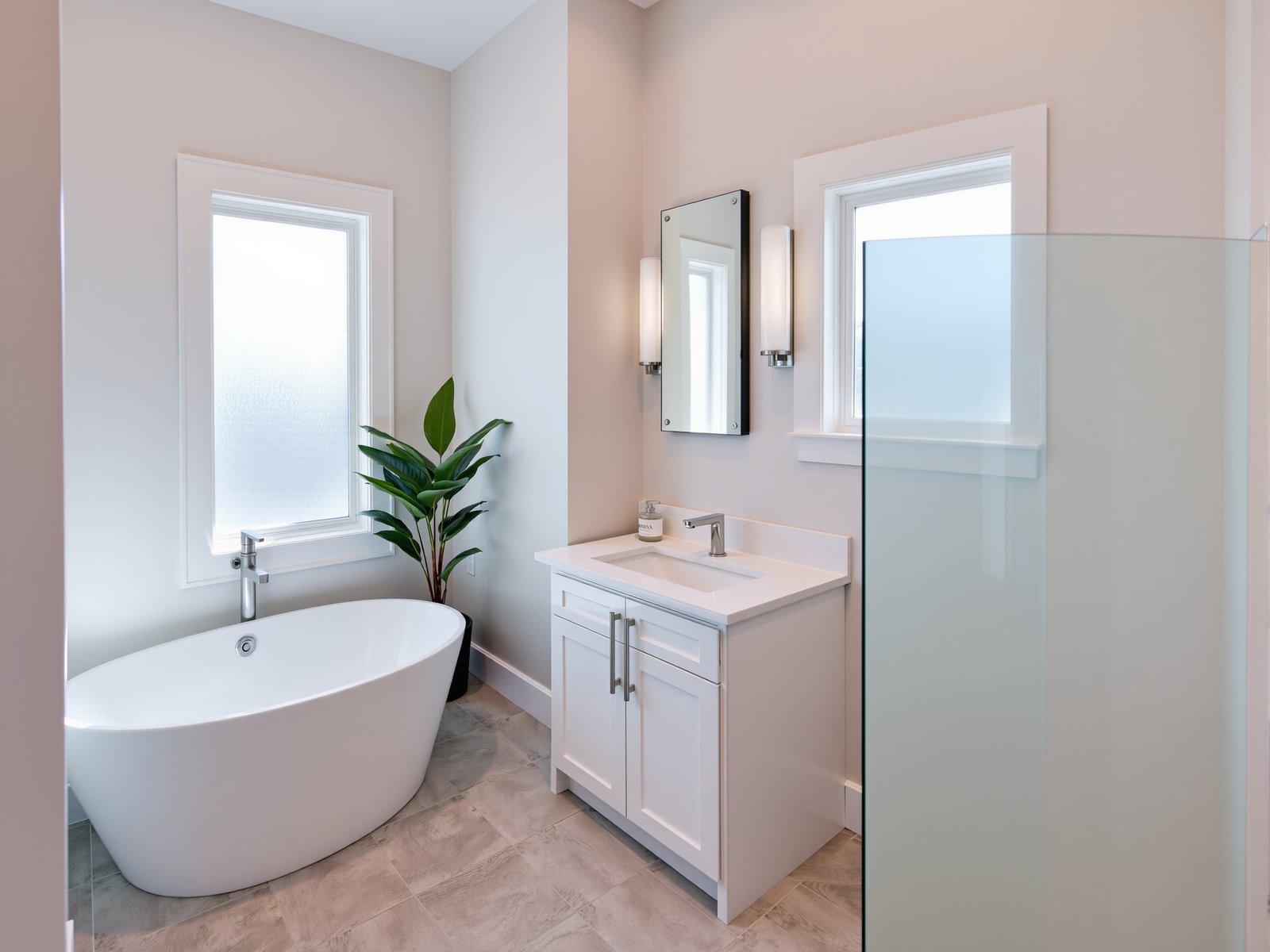
- Budget reality check: Typical 2024 US cost for a freestanding bathtub—including unit plus pro installation—is $4,000–$7,500. Entry acrylic tubs are about $1,200 for the basin, plus $800–$1,200 labor. Extra costs pop up fast if plumbing or structural work is needed. (Source)
Cost breakdown — what you’ll really pay (tub + plumbing + installation)
Let’s get transparent: Small-bath dreams become expensive if you don’t budget for the full project. Here’s how it adds up:
- Entry-level acrylic tub: $1,200 for the basin (brands: American Standard, Duravit, Aquatica USA)
- Basic plumbing & labor: $800–$1,200—up to $1,500 for complex moves or wall-to-floor plumbing rework
- Mid-range solid-surface/stone-resin tub: $2,500–$3,500 (Victoria + Albert, Badeloft, KKR)
- Designer/high-end tub: $5,000–$10,000+ installed (brands: Victoria + Albert, PSCBath, KKR)
- Extras: Floor reinforcement if needed ($500–$2,000), wall finishes, new filler/faucet hardware ($200–$800), potential demo work
Average total: $4,000–$7,500, even for a small space. Installs with rock-solid floors, local plumbing, and easy access can land at the low end; moving drains or adding subfloor access for a heavy stone tub can quickly blow up your budget. (see cost research report)
Why freestanding tubs are tricky in small bathrooms (real homeowner pain points)
Plenty of homeowners jump in, only to be surprised by unforeseen obstacles. Here are the most common trouble spots with the best freestanding tub for small bathroom layouts:
- Floor clearance and fillers: floor-mounted fillers are dramatic but need open floor around the tub and often new supply/drain runs—hard in tight rooms.
- Hidden plumbing (P-trap, supply lines): When pipes run inside the wall, converting to freestanding means breaking into subfloor or adding a new P-trap—not always simple (or cheap). (See guide)
- Weight and subfloor: Stone-resin and cast-iron tubs often require floor reinforcement, especially in older homes.
- Faucet and hardware fit: Most tubs don’t come with faucet holes—you need matching fixtures, either wall-mounted or expensive stand-alone tub fillers. Standard hardware may not work in a compact bath without extra work.
- Circulation and cleaning headaches: Building code and comfort both demand 15–18 inches around the tub for access—often more than homeowners realize, especially with vanities and toilets already in place.
These challenges are why realistic planning and model selection matter. If you can’t shift plumbing or reinforce the floor, look for lightweight or wall-friendly models from brands like Duravit (external source).
| Problem | What Causes It | Fix |
|---|---|---|
| Hard to fit filler/drain | Closet plumbing, small room footprint | Pick a wall-mounted faucet or deck-mounted tub (e.g., Aquatica USA, KKR) |
| Floor not strong enough | Heavy stone/cast iron tubs | Choose lightweight acrylic or solid-surface; reinforce floor as last resort |
| Cost spirals upward | Hidden labor, surprise demolition | Itemize quotes, avoid mid-project plumbing changes |
| Crowded layout | Too large a tub for room size | Choose models <60 in, minimal profile, and corner/alcove placement |
Design and placement solutions that work in tight layouts
Creative freestanding soaking tub placement ideas can squeeze the spa feeling into even a cozy master bath:
- Alcove install: Tuck a compact tub against a short wall—choose a wall-mount filler for minimal supply reroute and easier cleaning.
- Centered feature: Place the tub opposite the bathroom door or in front of a window for symmetry—allow for at least 18 inches clearance around.
- Offset or corner install: Use an oval or rounded tub with integrated drain to fit into a corner—keeps main walkways clear for easy circulation.
- Integrated shelving: Build a narrow ledge behind or beside the tub for storage and plumbing access, doubling as a visual anchor.
Many compact models now come under 60 inches and feature pre-drilled faucet holes or integrated drains, which homeowners say cuts install headaches and helps avoid major plumbing moves. Minimum clearances matter—15–18 inches between tub rim and cabinetry or wall is preferred for code and comfort.
For more seamless bath design, see the guides on curbless shower ideas and small bathroom remodel costs.
Plumbing and installation requirements homeowners must plan for
Understanding freestanding tub plumbing requirements is essential to get accurate contractor bids:
- Filler type: Floor-mount requires exposed supply lines and new piping; wall-mount or deck-mount can often reuse existing.
- Drain type: Standard P-trap below is ideal; if drains are wall-confined, be ready for subfloor cuts and patching. Center drains simplify install, while offset drains can save demo work depending on your old tub’s placement.
- Structural reinforcement: Lightweight acrylic is easiest—stone and cast iron almost always need extra joist or floor support.
- Access panel or open rim: Plan for access to plumbing shutoffs for future maintenance.
Average plumbing work for a freestanding tub adds $500–$1,500 depending on complexity—expect the high end if supply and drains must be moved or walls/floor opened up. (labor cost data)
For more on resolving drain and plumbing headaches, explore homeowner repair guides on clogged drain fixes and slow draining sinks.
Materials and profiles best suited to small bathrooms
When every inch counts, your tub’s material and shape will make or break your floor plan:
- Acrylic & solid-surface: Lightweight, easy to install, less risk of floor issues—ideal for retrofits in older homes (see Duravit, Badeloft).
- Stone-resin & composites: A bit heavier, but offer heat retention and luxury feel without cast iron’s drawbacks.
- Cast iron/stone: Top-end durability and finish, but very heavy—often not recommended unless existing floor can be reinforced easily.
- Flat bottom freestanding tub: Maximizes stability and minimizes height, so the room feels less crowded—use low-profile or slipper styles for best effect.
Expert tip: Duravit’s sanitary acrylic and DuraSolid models provide thin edges and modern lines perfect for small, modern baths (source).
Luxury freestanding tub brands that perform best in small spaces
Some brands stand out for compact, easy-to-install and best freestanding tub for small bathroom options. Top luxury freestanding tub brands for small spaces include:
- Victoria + Albert: QUARRYCAST volcanic limestone for sculptural shapes under 60 inches, integrated drains, and wall-mount faucet options—check the Rio or Belgravia series.
- Duravit: Lightweight sanitary acrylic and DuraSolid composite, thin architectural lines, predrilled options, and “DuraStyle” for compact models.
- Badeloft: Minimalist stone-resin tubs under 60 inches, predrilled faucet holes, and footed versions for easy install.
- KKR (KingKonree): Solid-surface with built-in drainage channels, customizable for faucet or drain position. See the solid surface bathtub collection.
- Aquatica USA: Compact European ergonomic tubs, low-profile backs, optional integrated sprayers, under 60-inch models.
Other strong performers (with options but less emphasis on ultra-compact): Jacuzzi Signature, Appollo, Orans, SSWW, American Standard. Learn more on choosing functional tubs in our remodel cost guide.
Style-first tips: making a freestanding tub look purposeful in a small bathroom
Freestanding tub ideas look most “architectural” (not jammed-in) when you:
- Pick a tub with a narrow rim and clean silhouette—thin-edged designs from Duravit and Aquatica create luxury without bulk.
- Create a feature wall with vertical tile or slab behind the tub to add depth.
- Use matching hardware finishes (matte black or brushed nickel) for tub filler, towel bars, and lighting so the look feels cohesive.
- Add integrated shelving, window ledges, or slim storage atop alcoves for daily essentials.
- Maximize depth perception with smart LED strip lights under or behind the tub.
Compact oval, slipper, and gently curved rectangular tubs read less bulky. For “spa” impact in tight rooms, prioritize flat-bottom and slim profiles over clawfoot or extra-tall designs.
Budget-saving alternatives and retrofit approaches
If a true freestanding tub won’t work—due to plumbing, floor limits, or budget—you still have paths to luxury:
- Apronless alcove tub: Use a standard alcove tub with the apron removed and surround tiled to the floor for a freestanding look.
- Drop-in or undermount tubs: Consider a deck or platform install with a new tile skirt—still modern but hides plumbing a bit easier.
- Shallow soaking tubs: Compact Japanese-style soakers under 48 inches can deliver deep comfort in little space.
- Wall-mounted fillers, linear drains: Lower labor and fewer plumbing headaches than floor-mounts; easier to retrofit in tough spaces.
These choices often keep total cost near the low end (around $1,200 for the tub plus $800–$1,200 labor), but if major plumbing changes are needed, the total can still reach $4,000–$7,500. For full cost-control, consult the full itemized breakdowns in our bathroom remodel guide.
Quick checklist and questions to bring to your contractor or showroom
Use this list to prep and get clear, apples-to-apples estimates on the best freestanding tub for small bathroom spaces:
- Exact tub model, exterior and interior dimensions, and weight
- Drain location relative to room (center, offset, wall distance)
- Filler type: floor-mount, wall-mount, or deck-mount (are predrilled holes included?)
- Required clearances: what’s code-minimum, and what feels comfortable?
- Floor load rating at install location, need for reinforcement
- Finish and hardware options—matching or custom?
- Lead time, delivery date, and warranty details
- Expected total cost installed (use $4,000–$7,500 as a reference)
- Sample questions to ask:
- Have you installed this exact tub/model before?
- Will you need to open subflooring or walls for supply/drain moves?
- Are additional hardware or shutoffs required?
- What are the maintenance access points?
- How long will the installation take, and what disruptions to expect?
On a related note, safeguarding your plumbing from bath clogs is just as important—see practical tips in our bathroom clog quick-fix guide.
Recommended next steps / Call to action
Confidently move forward with these steps:
- Measure your space and floor plan—include door swings, clearances, and existing plumbing locations
- Select two to three tub candidates: one budget acrylic, one solid-surface, and one compact “luxury” brand (see above for links and specs)
- Get at least two written contractor/plumber quotes—insist on itemized bids for tub install, supply/drain moves, and finish work
- Spot budget red flags: If your bids are well above $4,000–$7,500, ask for clarification or consider simpler tub/placement options
With the right planning—using realistic freestanding tub ideas—you’ll own a spa-worthy bath that fits both your small space and your budget. Ready to dive in? Start measuring, shortlisting models, and tapping the best local pros today!
Frequently Asked Questions
Can a freestanding tub fit in a 60–70 sq ft bathroom?
Yes—with careful planning and a compact model (48–60 inches), most suburban master bathrooms can accommodate a freestanding tub. Focus on models with slim edges and consider wall- or deck-mount fillers to minimize clearance issues.
What is the average freestanding bathtub cost USA for 2024?
The typical installed cost is $4,000–$7,500 including the tub, plumbing, labor, and any floor or wall prep. Entry-level acrylic tubs with basic install can land closer to $2,000–$2,500 if no major plumbing is needed.
Do I need to reinforce my floor for a small freestanding tub?
Usually not for lightweight acrylic or solid-surface tubs, which are designed for existing home floors. Stone-resin or cast iron tubs typically require a structural assessment and may need reinforcement—always check tub specs and have your contractor verify load ratings.
Are floor-mounted tub fillers practical in a small space?
They’re dramatic but require extra clearance and plumbing runs—not ideal for tight rooms. Most pros recommend wall- or deck-mount fillers for small bathrooms to save both space and install costs.
Which brands have the best freestanding tub for small bathroom layouts?
Victoria + Albert, Duravit, Badeloft, KKR, and Aquatica USA all offer compact models, wall-mount or predrilled faucet options, and thin edges—their tubs consistently receive positive feedback in small-space upgrades.