

Sewer backup in basement is every homeowner’s nightmare: foul odors, slimy water creeping up drains, and a real health threat for your family and pets. When disaster strikes, knowing the right urgent actions – and the actual costs you’ll face – saves time, money, and stress.
Key Takeaways
- Raw sewage in your basement is a serious hazard: act fast for health and safety, and never attempt major cleanup yourself.
- Typical sewage backup cleanup cost in 2024 runs $2,000–$10,000 nationally, often above $7 per sq ft. Emergency fees, equipment, and “after hours” rates quickly inflate the bill.
- Demand written, itemized quotes, a root-cause inspection, and post-cleanup certificates to avoid hidden fees and repeat problems.
Table of Contents
What to Do: Sewer Backup in Basement – Core Facts and Real Risks
If you’re facing a sewer backup in basement, quick thinking is critical. This isn’t just foul water: any visible sewage is considered “Category 3” or black water by industry standards. That means serious pathogens and toxic exposure. Simply covering your nose isn’t enough—airborne germs and persistent moisture can harm kids, pets, and anyone who enters without protection. Most DIY fixes (like dumping bleach or mopping) will not make the space safe or prevent mold and lingering sewage smell in basement rooms.
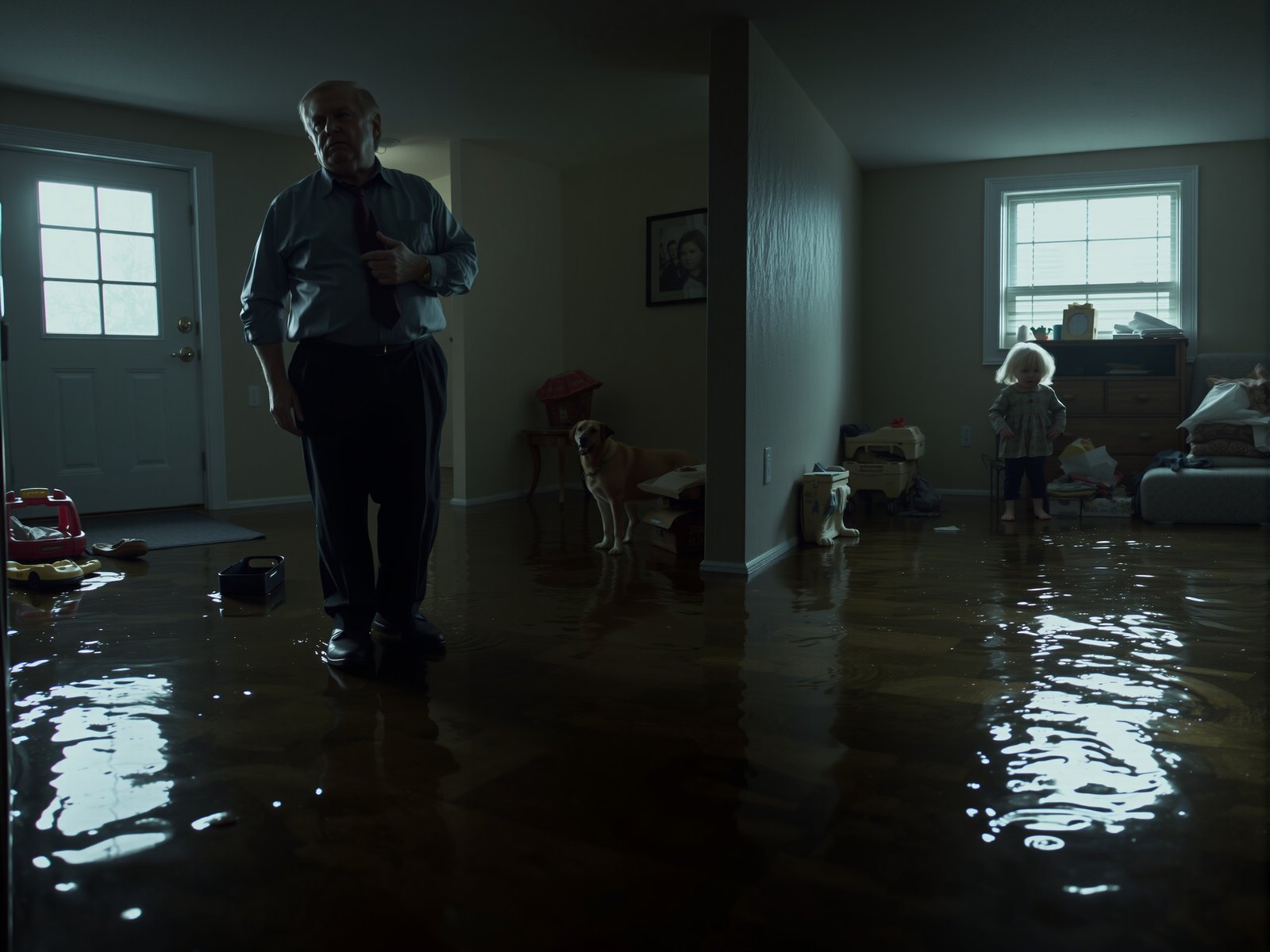
Professional sewage cleanup is essential—but when every moment counts, knowing the right sequence reduces contamination and helps you document damage for insurance. Costs rise fast if sewage spreads or sits unchecked: common cleanup bills range $2,000–$10,000, and specialized jobs in areas like Seattle or NYC can reach $12,000–$15,000 or more due to labor and disposal fees. If you smell raw sewage, treat it as both a plumbing and a biohazard emergency.
Step-by-Step: Immediate Emergency Actions for Sewer Backups
Follow these safety-first steps the moment you spot (or smell) a sewer backup in your basement:
- Evacuate and block off the affected area. Keep children and pets far away.
- Shut off water and, if safe, power to the affected zone (avoid touching flooded outlets).
- Avoid all direct contact with sewage. Do NOT touch or attempt to mop up material – splashes and aerosols are highly infectious.
- Ventilate the basement by opening windows if there is no risk of spreading contamination to the rest of your home.
- Document damage: take clear photos and quick videos from a safe distance for insurance claims.
- Call an emergency-certified, insured sewer and restoration pro. Ask for their ETA and emergency/after-hours fee policy.
- Stay upstairs and keep doors/shutters closed until the pro arrives, to prevent the sewage smell in basement from spreading further.
What should you never do?
- Never attempt to pump out black water or touch sewage wading boots or mop buckets—this puts your entire household at risk.
- Don’t run your HVAC if it could circulate contaminated air.
- Don’t start cleaning porous or upholstered surfaces — these require specialized disposal or professional sanitizing.
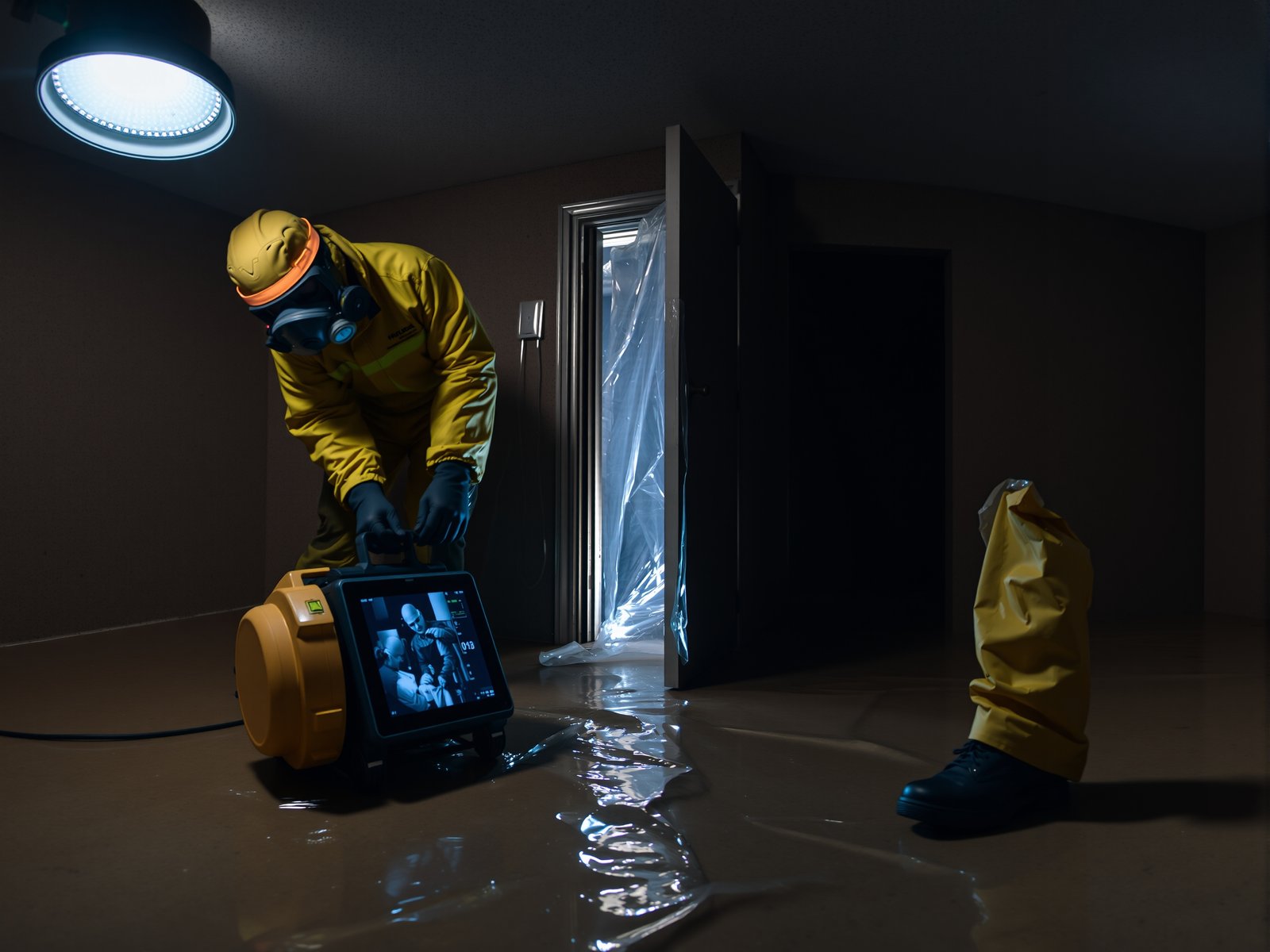
Once the professionals arrive, their process should always start with a root-cause assessment. Many reputable companies will use a sewer line camera inspection ($100–$500 per Research Report). This detects what caused the backup and documents it for both insurance and prevention.
Related: Struggling with slow sinks or repeated clogs? Explore our slow draining sink fix guide and complete home drain product selection for proven prevention tips.
Pitfalls and Hidden Cost Traps: Real Problems Homeowners Face
The moment you begin seeking estimates, beware of these common—and expensive—pitfalls:
- Hidden fees:** After-hours surcharges ($200–$500), extra charges for specialty equipment (industrial scrubbers or IAQ monitors), and “disposal” or testing fees are common surprises. Reference: Yelp cost breakdown.
- Late arrivals and missed ETAs: Homeowners report waiting hours past promised “emergency” windows.
- Superficial cleaning or incomplete drying: Lingering sewage smell in basement, mold growth, or water wicking up walls is a frequent complaint—professionals should always provide post-clean certificates and, if possible, an air quality test.
- Insurance delays: Missing itemized estimates, unclear documentation, or skipping root-cause inspection (like skipping a camera scan) hurt your claim and may even void coverage.
- Repeat incidents: Improper decontamination (missing infected wall cavities or failing to remediate under flooring) almost guarantees a future backup.
| Cost Item | Typical National Range | Common in Seattle | Common in Texas |
|---|---|---|---|
| Base Sewage Cleanup | $2,000–$10,000 | $3,500–$12,000 | $2,000–$8,000 |
| Emergency/After-Hours Surcharge | $200–$500 | $250–$500 | $200–$400 |
| Camera Line Inspection (CCTV) | $100–$500 | $150–$500 | $100–$400 |
| Black Water Cleanup (per sq ft) | $7–$14 | $8–$14 | $7–$10 |
| Testing/Air Scrubbers/Mold Prevention | $300–$1,000 | $400–$1,500 | $250–$750 |
Want the full detail of what should be in a professional quote? Here’s a simple sample line-item breakdown:
- Emergency call-out (evening): $350
- Camera inspection: $275
- Decontamination/black water cleaning (400 sq ft × $9/sq ft): $3,600
- HEPA air scrubber rental: $350
- Final post-clean microbial test: $500
- Total: $5,075
Note: Always request a full, written quote like this and clarify which line items are required vs. “recommended” or optional add-ons.

Other advanced issues—and how to outsmart them:
- Poor crew credentials: Only hire firms with active licenses, insurance, and IICRC or equivalent biohazard cleanup certifications (see credentials to verify).
- For basement drain backing up, demand a pre-work root-cause inspection (camera scan)
- Insist on a post-clean microbial clearance test—this is your proof if you need to dispute the bill or file insurance claims.
Explore more step-by-step remediation logic with quick fix guides for tricky clogs and see our proven root removal options to prevent repeat sewer line backup causes.
Conclusion and Fast Action Checklist
Sewer backup in basement emergencies require calm, fast decisions. The only safe response to Category 3 black water is to limit exposure, contact an emergency-certified pro, and demand both root-cause assessment and robust cleanup verification. Expect honest costs between $2,000–$10,000 with potential for more if plumbing repairs, after-hours surcharges, or extra air scrubbing/testing are needed. Transparent, itemized quotes and written cleanup/test certificates will reduce your risk, control costs, and get you back to normal as fast as possible.
Your Fast Action Checklist:
- Evacuate, isolate, and keep the area off-limits.
- Document damage with photos and videos immediately.
- Call an emergency-certified, licensed, insured sewer cleanup pro. Ask ETA and after-hours fee.
- Request a full, written estimate that includes emergency surcharges, camera inspection, cleanup cost per sq ft, equipment, and final air/microbial testing.
- Save every receipt and document for your insurance claim.
- Schedule a 10–14 day follow-up IAQ (indoor air quality) test and get post-cleanup certificates in writing.
For those first, anxious minutes:
Secure your home, protect your finances, and avoid repeat disasters by insisting on transparency and verification at every step. If you have a basement drain backing up regularly, consider long-term fixes like backflow prevention or routine hydro jetting drain cleaning after restoration is complete.
FAQs: Sewer Backup in Basement
How dangerous is a sewer backup in a basement?
Extremely dangerous. Raw sewage contains harmful bacteria, viruses, and parasites (Category 3 “black water”). Direct exposure and even lingering vapors can cause serious health problems. Professional remediation is required for safety.
What is the sewage backup cleanup cost in 2024?
Nationally, most jobs cost $2,000–$10,000 for cleanup and restoration, with a per-square-foot average of $7–$14. Specialty services, after-hours surcharges, and complex jobs (especially in high-cost cities) can reach $12,000–$15,000.
Can I clean up sewage backup in my basement myself?
No. DIY is not recommended for black water. Even a small amount poses major health risks. Only professionals with proper PPE, training, and post-clean testing can safely remove sewage and restore air quality.
What questions should I ask before hiring a cleanup crew?
Ask about their license, insurance, certifications, ETA, after-hours/emergency fees, if they include a camera inspection, if you’ll receive an itemized estimate, what equipment/testing are included, and if a final post-clean microbial certificate is provided.
How do I prevent another sewer backup?
Schedule regular sewer-scopes and mainline cleaning, install backflow prevention, fix exterior grading, and keep a yearly maintenance agreement with a trusted plumber/restoration pro. Prevention plans are often overlooked and save thousands long-term.