

Curbless shower ideas are transforming American bathrooms with sleek design, better safety, and proven value—especially for homeowners looking to remodel for aging in place or an easier resale. In today’s market, these accessible showers offer much more than just style: they help future-proof your space, eliminate tripping hazards, and can be surprisingly affordable if you plan ahead.
Key Takeaways
- Expect to invest $3,000–$8,000 for most curbless shower remodels—regional costs and ADA features affect the final price.
- For true accessibility, look for ADA minimums (36″×36″ shower) but aim for 42″×60″ or more for wheelchair-friendly comfort.
- Smart choices—like reusing plumbing and selecting the right tile—can reduce costs without sacrificing safety or style.
- Why a curbless shower is worth considering now
- Curbless shower installation cost — national breakdown
- Cost by region — what homeowners in each area should expect
- ADA and aging-in-place technical requirements every installer must meet
- Top 3 curbless-shower concepts for small bathrooms
- Tile, drain and finish choices that balance safety, budget and style
- Installation process — timeline, common pitfalls, and hidden costs
- Budgeting and cost-saving strategies
- Contractor checklist & next steps
- Quick summary and recommended reading/actions
- FAQs
Why a curbless shower is worth considering now
A curbless or zero-entry shower eliminates the raised threshold, blending the shower floor smoothly with the rest of your bathroom. This design visually expands your bathroom—especially valuable in small spaces—and creates a safer, step-free entrance that’s easy for anyone to use, from mobility-aid users to families with young children.
With an aging population, curbless shower ideas are top picks for aging in place and boost resale value in many markets. The investment is practical, too: most US homeowners spend between $3,000 and $8,000 for a curbless shower remodel, depending on size, materials, and regional labor.
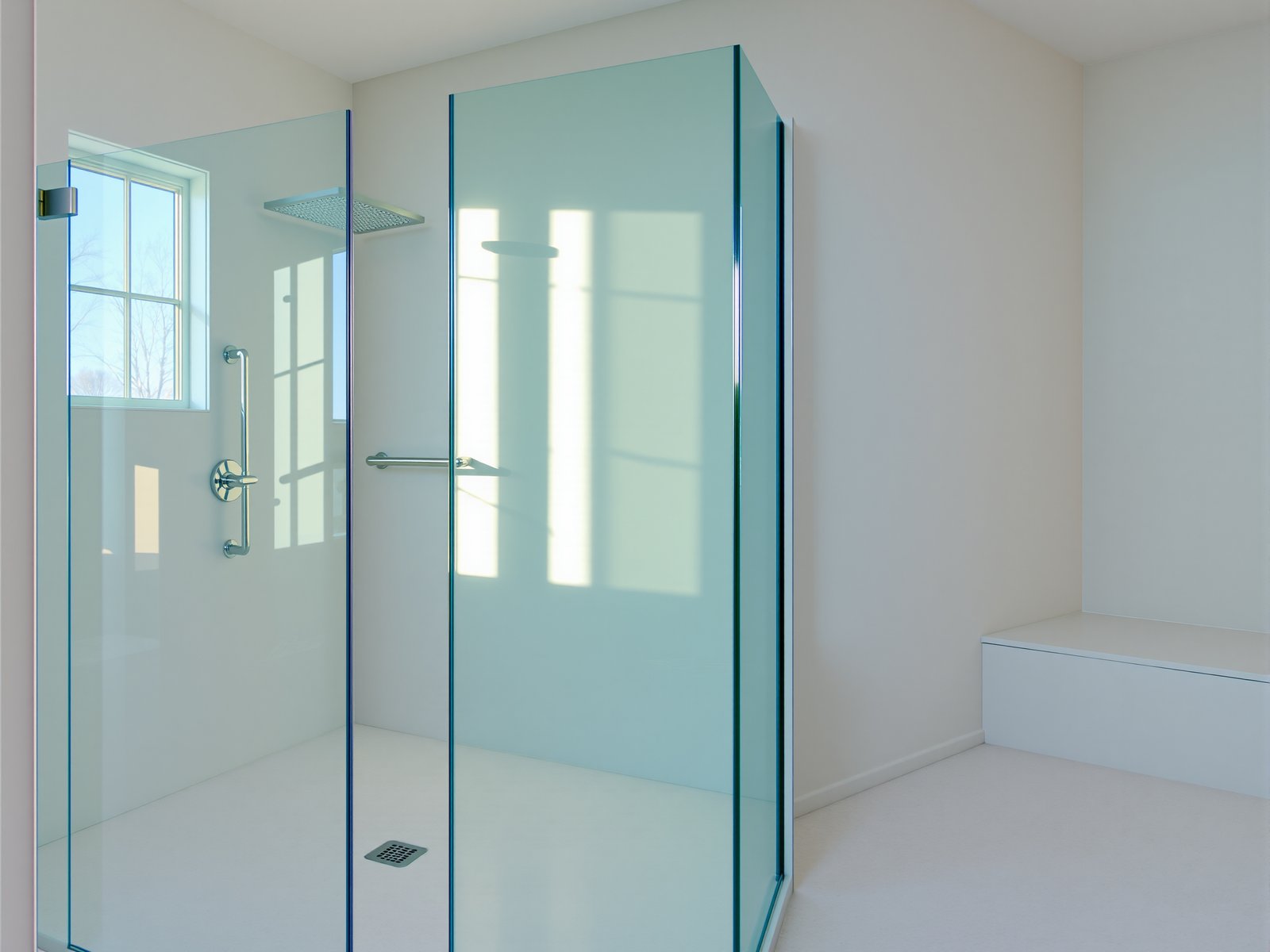
Curbless shower installation cost — national breakdown (materials, labor, hidden fees)
Here is a clear look at what you should budget for a standard curbless shower installation:
- Materials: $1,000–$4,000 (includes tile, waterproof membrane, glass, drain, and trim)
- Labor: $1,500–$5,000 (complexity, floor cutting, drainage work can push higher)
- Hidden Fees: Permits ($200–$800), drainage reconfiguration ($500–$2,000), waterproofing membrane ($800–$1,500)
Overall project totals typically range from $3,000 to $8,000—the higher end often involves customized layouts, premium finishes, or major floor adjustments. For more detail, consider reading the installation guide from Payless Bath Makeover.
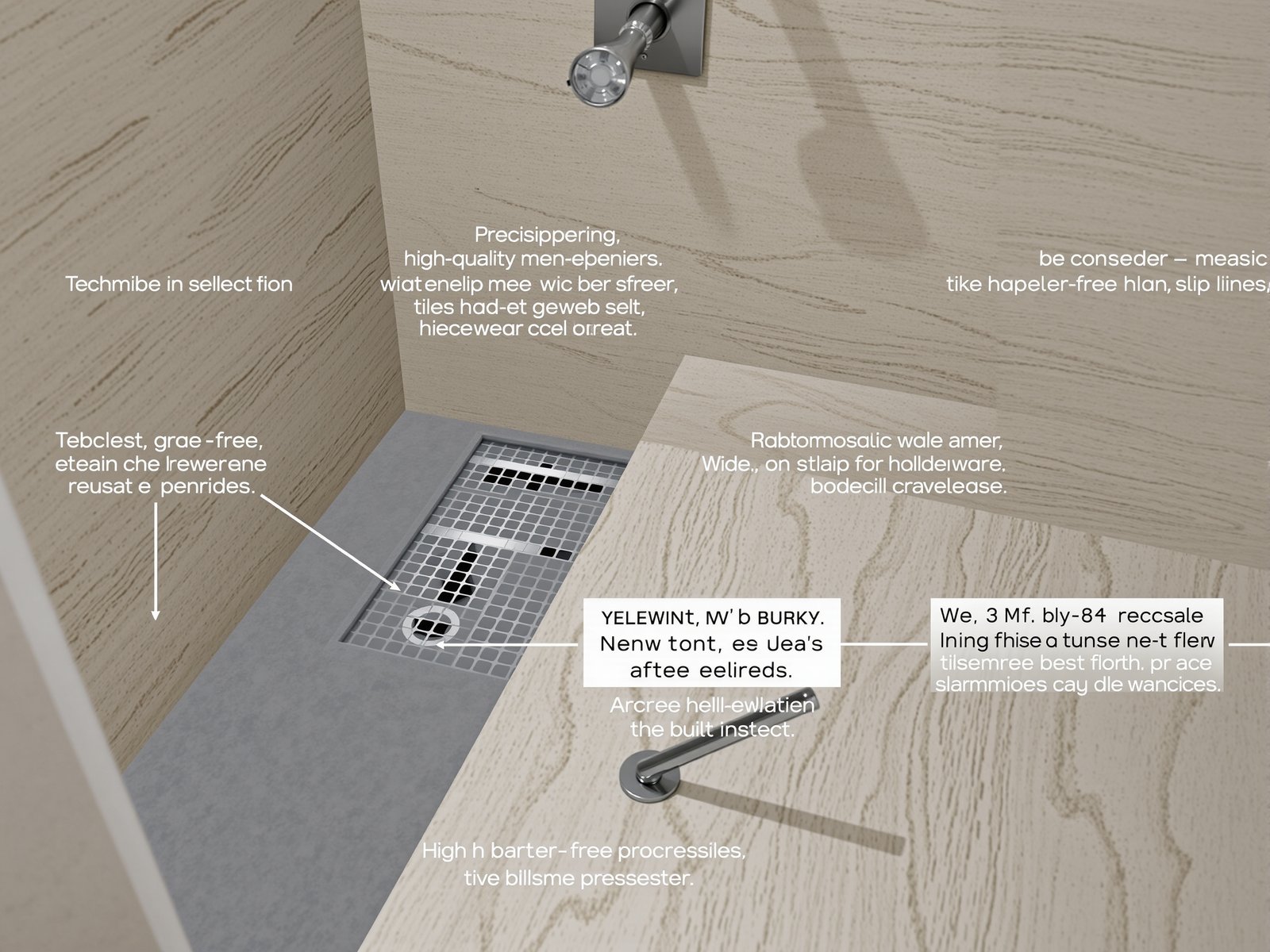
Always factor in a “surprise buffer”: slab or floor modifications can uncover problems that quickly shift a budget. Read through this detailed bathroom remodel cost guide for managing expectations and staying on budget.
Cost by region — what homeowners in each area should expect (unique insight)
Not all shower remodels are priced the same around the country. You’ll see significant cost differences in labor, permitting, and even material access, depending on your region:
| Region | Typical Curbless Shower Cost | Notes |
|---|---|---|
| Northeast | $7,500–$9,500 | High labor rates and stricter permit standards |
| Midwest | $5,500–$7,500 | Average labor; more prefab options available |
| South | $4,500–$6,500 | Lower average labor and permit costs |
| West | $6,500–$8,500 | Costly drainage work or tile in some markets |
Always ask local contractors about curbless shower installation cost for your zip code, as city and county requirements can differ. For more about unexpected regional surprises—like plumbing code or drain access—review our quick fixes for bathroom clogs to help prevent mid-project issues.
ADA and aging-in-place technical requirements every installer must meet
Safe, accessible design goes beyond “just flat flooring.” Here’s what every curbless shower for aging in place should include:
- Shower Interior: ADA minimum is 36″×36″, but for wheelchair users, 42″×60″ (or a 60″ turning circle) is much more comfortable.
- Threshold: Zero, continuous floor—no step or lip at all.
- Floor Slope: 1/4″ per foot towards drain (linear or point type), must handle at least 2 gallons per minute.
- Slip Resistance: Floor tile coefficient must be ≥0.5; use small, textured tiles for grip.
- Grab Bars: 33–36″ above floor, secure and rated for 250 pounds or more.
- Bench/Seat: 17–19″ high, fold-down or built-in, with adequate support.
- Controls & Niche: Controls positioned 38–48″ from floor; keep within easy reach from seat or entrance.
- Waterproofing: Full shower area plus at least 12″ beyond for insurance and code compliance.
For an at-a-glance ADA dimensions chart and more, check the ultimate ADA shower guide.
Top 3 curbless-shower concepts that are both stylish and functional for small bathrooms
-
Single-slope with linear drain: Slopes the whole floor gently to one wall, placing a sleek linear drain there. Maximizes usable area and modern aesthetics. Tip: Glass can go full width or just a panel for open access.
Pro: Modern, easy to roll in; Con: Linear drains need regular cleaning. -
Corner quadrant layout: Use a curved or angled glass panel and tile slope towards a near-invisible point drain. Fits easily into small bathrooms and opens up remaining floor.
Pro: Space-saving with full enclosure feel; Con: Less elbow room sitting on a bench. -
Bench-and-grab-bar combo: Compact bench at back wall plus a grab bar, with a recessed niche above for storage. Drain can be center or offset. Ideal for minimal footprints and safe transfers.
Pro: Safety plus storage; Con: Custom tile can be pricier.
Find even more zero threshold shower ideas and inspiration by browsing design galleries, or review shower drain hair fixes to maintain peak performance.
Tile, drain and finish choices that balance safety, budget and style
Smart design choices maximize both slip-resistance and visual appeal. Here is how to balance price, safety, and modern looks:
- Tile Size/Texture: Mosaic or 2×2” tiles offer best traction and let installers build correct slope; matte, textured finishes minimize slips.
- Layout Tips: Always slope tile away from center—linear for single-slope drains, radiating for point drains. Use a membrane that wraps up the walls and out from the shower for full waterproofing.
- Drain Types: Linear drains are ideal for flat, open looks and faster wheelchair access. Point drains cost less and are easiest in centered or quadrant layouts.
- Budget Context: Materials typically $1,000–$4,000; choose slip-resistant tiles rated ≥0.5. Fiberglass and acrylic shower kits can lower costs for basic remodels.
- Visual Tricks: Run large wall tiles vertically and pick glass panels over full doors to expand the feel of small baths.
For niche finishes—like tadelakt or microcement—review the pros, cons, and costs in our tadelakt vs microcement bathroom wall guide.
Installation process — timeline, common pitfalls, and hidden costs to watch
A realistic curbless shower install means more than picking tile colors. Here’s how the project usually unfolds:
- Demo: Tear out old shower and subfloor, inspect for water damage and rot.
- Sloping the Floor: Carpentry (or concrete work) to create a true 1/4” per foot slope toward the new drain.
- Drainage Setup: Install linear or point drain; check that it can carry at least 2 gallons/minute.
- Waterproofing: Lay down a full waterproofing membrane to prevent future leaks.
- Tile, Glass, and Fixtures: Lay tile (walls and floor), install glass panels, add secure grab bars, bench, and shower controls.
Expect the timeline to run 5–10 working days with 1–2 extra days for inspections and permits if required. Be aware: curbless showers typically start $1,000–$2,000 higher in labor and floor work than a standard curb shower. Permits ($200–$800) and slab or complex drainage work ($500–$2,000) often surprise homeowners mid-project.
Check out our guide to drain cleaning costs for help budgeting extra for plumbing-related surprises.
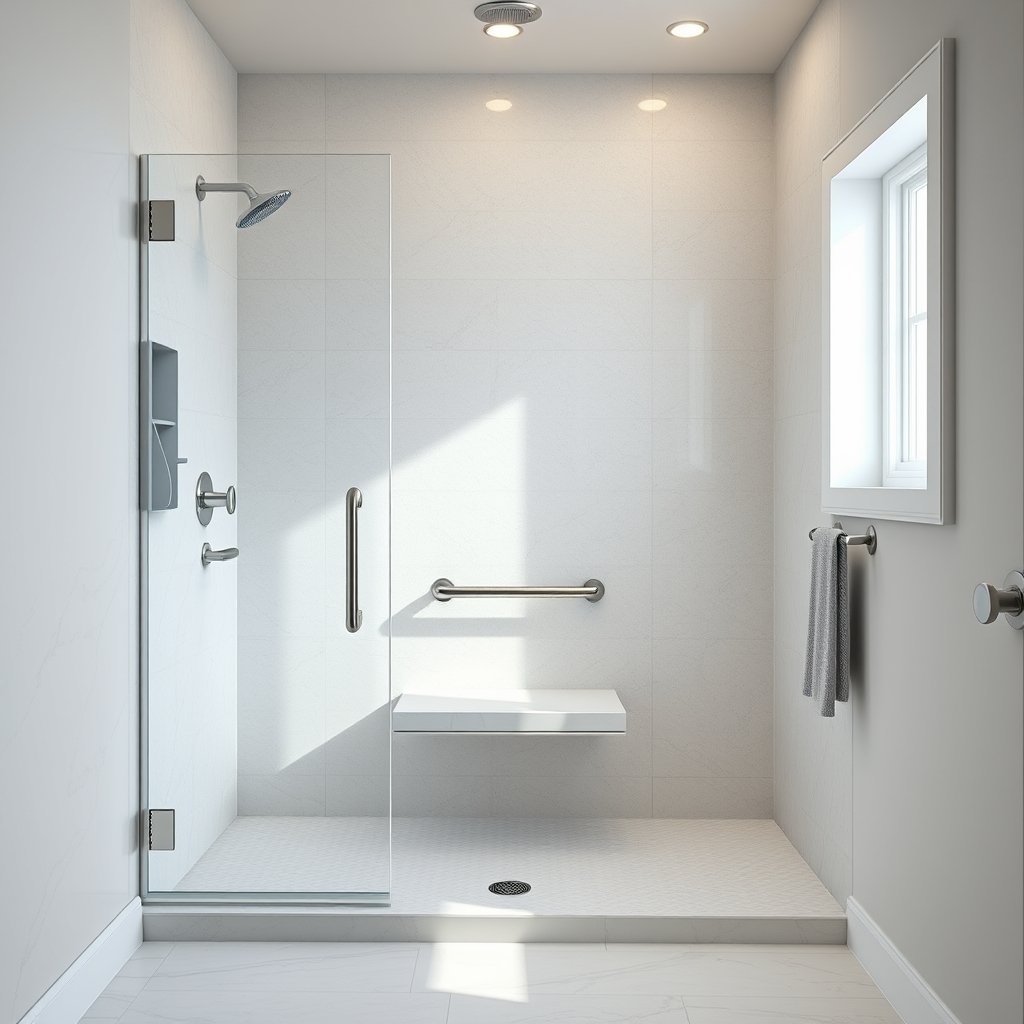
Budgeting and cost-saving strategies (practical trade-offs)
Cutting costs doesn’t have to mean cutting corners on safety or accessibility. Here are proven ways to save:
- Retain Existing Plumbing: Don’t move the drain or water lines unless absolutely needed. This alone will keep projects on track and avoid major permit and slab repair fees. For evidence, see savvy cost tradeoff examples.
- Affordable Materials: Acrylic ($500–$2,000) or fiberglass ($400–$2,000) shower pans/surrounds are durable and budget-friendly for modest remodels.
- Skip Luxuries: Omit steam systems or custom glass—these can easily add several thousand dollars.
- DIY Demo—But Not Install: Do your own tear-out to save a few hundred dollars, but always use pros for the tricky slope, waterproofing, and tile layers.
- Buffer Fund: Always hold back $1,000–$2,000 for last-minute repairs like subfloor rot or extra waterproofing—most projects need it.
More pro advice: our post on remodel cost blowups explains hidden fees to watch for in detail.
Contractor checklist & next steps (what to ask and what to get in writing)
A reliable remodel isn’t just about price—it’s about preventing headaches later. When getting bids for curbless shower ideas or installation, ask contractors for:
- Itemized written estimate: break down materials, labor, permits, and waterproofing line items.
- ADA compliance: confirm dimensions, grab bars installation, recommended slip-resistance, and whether linear or point drain meets ≥2 gpm flow.
- Timeline: Get a clear start and finish date with built-in permit or inspection days.
- Warranty: Waterproofing and workmanship coverage should be spelled out—aim for at least one year.
- City/county permits: Confirm whose responsibility it is to pull permits and pay fees up front.
- Project buffer: Plan an emergency fund for waterproof membrane cost ($800–$1,500) and possible drainage reconfiguration ($500–$2,000)—write these into the contract if you can.
Before you sign, read our guide to shop smart for a bathroom remodel for more must-ask questions.
Quick summary and recommended reading/actions
To wrap up, a successful remodel using curbless shower ideas boils down to strategic planning: budget realistically ($3,000–$8,000 nationally, but as much as $7,500–$9,500 in the Northeast and as low as $4,500–$6,500 in the South), prioritize key ADA dimensions (start at 36″×36″, but 42″×60″ is often best), and select layouts/materials to fit both safety and style—especially in small or aging-in-place bathrooms.
Next steps? Measure your space, collect at least three detailed quotes (including ADA specs), and involve an accessibility specialist for aging-in-place projects. For more practical tips, see how to maintain optimal shower drainage in our article on avoiding drain cleaning overcharges and read about top drain fix products—the right accessories can prevent headaches down the line.
FAQs
What is the typical cost to install a curbless shower?
Most homeowners pay $3,000–$8,000 for a curbless shower. Your price can vary with regional labor, materials, and the complexity of modifying the floor and drain. Permits, waterproofing, and drainage work can add $1,000–$2,000 beyond base estimates.
How do I make sure my curbless shower is ADA compliant?
ADA specs require at least a 36″×36″ interior, zero threshold, slip-resistant flooring (≥0.5 coefficient), grab bars at 33–36”, a bench or seat at 17–19”, and accessible controls. For wheelchair access, 42″×60″ or a 60″ turning circle is recommended.
What are the biggest hidden costs to watch for?
The most common extras are permits ($200–$800), drainage re-routing ($500–$2,000), waterproofing membrane installation ($800–$1,500), and subfloor repairs for rot or water damage. Always keep a $1,000–$2,000 buffer in your remodel fund.
Is it possible to have a curbless walk-in shower in a small bathroom?
Yes, with careful planning. Single-slope floors, corner quadrant layouts, and combo bench/niche designs all work well in compact spaces. Use glass panels and linear drains to maximize open floor area.
How can I prevent clogs and drainage issues in my new curbless shower?
Choose the correct drain size (at least 2 gpm capacity), maintain the right slope (1/4” per foot), and consider regular maintenance—see our guide to clearing shower drain hair for practical tips.