

Tree roots in drain pipe are one of the most persistent causes of repeated sewer backups for homeowners in 2024. If you’ve noticed your drains slowing again after snaking or chemical treatments, or if you’re tired of temporary fixes that just don’t last, it’s time to learn about durable solutions that actually protect your home’s plumbing investment for the long haul.
Key Takeaways
- Roots cause about 30% of all residential sewer backups, and repeated chemical or snaking solutions rarely solve the real problem.
- Trenchless repair, professional mechanical removal, and preventive strategies offer long-term fixes that protect your investment—and often come with strong warranties.
- Accurate diagnosis (camera inspection) is critical; most DIY or store-bought treatments are only a stopgap if unseen root entry points and pipe damage aren’t addressed.
- Why tree roots in drain pipe keep coming back
- Signs that roots — not grease or debris — are the problem
- True cost breakdown — diagnosis, short-term fixes, and long-term repairs
- Why DIY and over-the-counter chemical treatments often disappoint
- Long-term, proven professional solutions (what actually stops roots)
- Best-practice combined treatments and case studies we’ll show (what competitors skip)
- Preventive strategies that materially reduce repeat intrusions
- How to vet and select a contractor for roots in sewer line removal
- Quick FAQ + next steps (diagnosis booking CTA)
Why tree roots in drain pipe keep coming back
Tree roots are drawn to the moisture escaping from tiny cracks or loose joints in drain pipes. Older systems—especially clay or cast iron—are especially at risk. Once inside, roots grow fast, forming dense mats that partially block the sewer line. Mechanical or chemical treatments may chop or kill some of these roots initially, but the underlying gap or crack that let them in remains unsealed. This is why, after a brief break, roots often reappear, leading to repeated clogs and backups.
If you’re frustrated that even after using a drain snake or popular “root killer” the flow slows again, you’re not alone. In fact, tree roots are responsible for roughly 30 percent of residential sewer backups reported in 2024 [source]. Partial clearing almost always guarantees roots will regrow—until the pipe is repaired or properly lined.

Signs that roots — not grease or debris — are the problem
Knowing whether your clog is actually caused by a tree root drain clog makes all the difference. Here’s what to watch for before you call a pro:
- Frequent mainline clogs—especially if they happen soon after previous “fixes”
- Slow drains throughout the house (not just at one sink or tub)
- Gurgling sounds from toilets or floor drains
- Soggy or extra-green patches on your lawn, or developing sinkholes near your line route
- Unexplained sewage smell outside or wet areas during dry weather
While these signs are strong indicators, the diagnostic gold standard is a professional video camera inspection. A trained technician will send a waterproof camera through the line, confirming if a root intrusion sewer line problem exists, pinpointing the entry spot, and assessing if there is a cracked pipe, offset joint, or collapsed section [source]. Before booking, you can confirm external clues, but deep or repeating blockages demand a camera check.
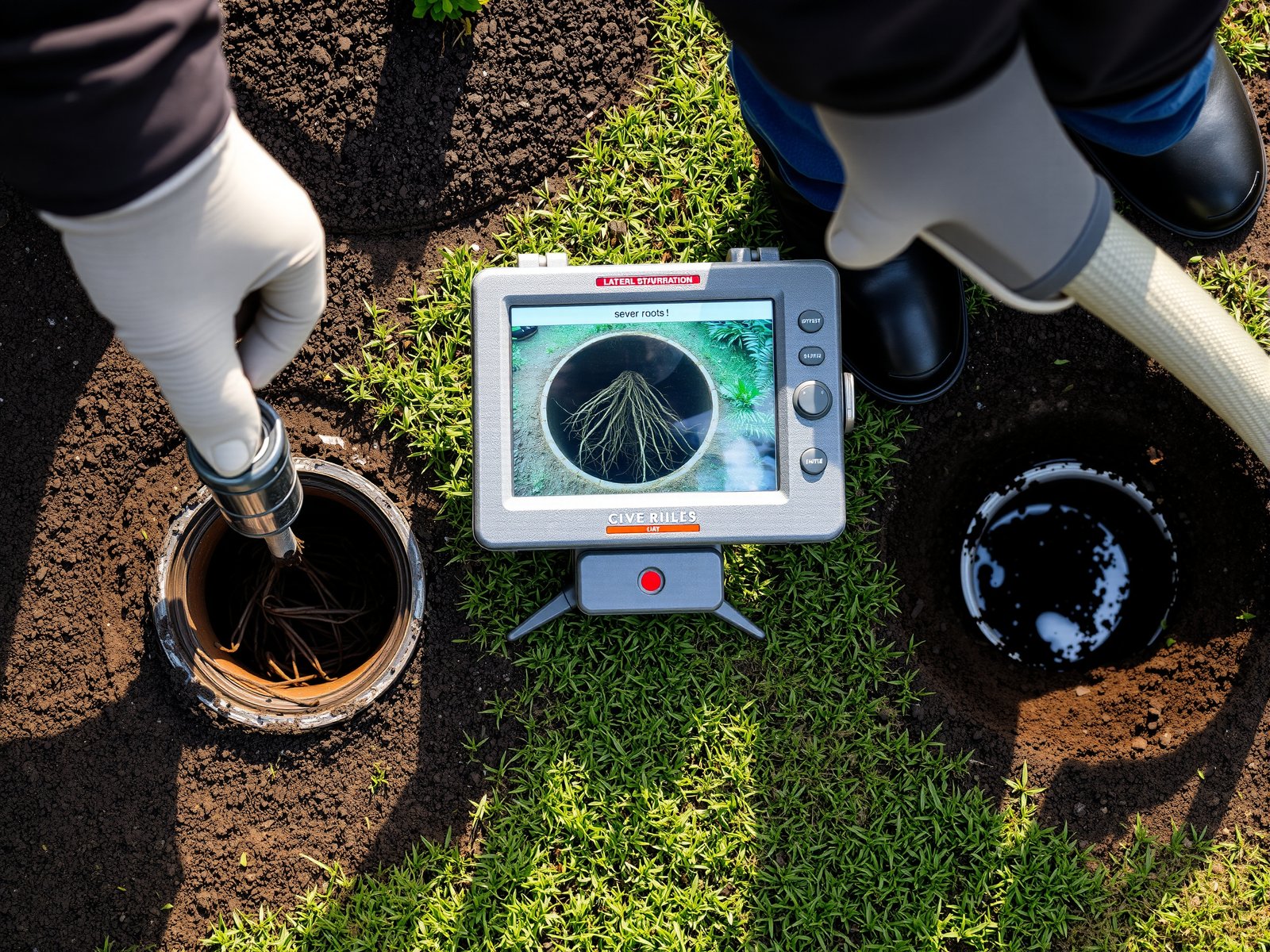
For more actionable homeowner diagnostics and what inspection actually covers—including average camera inspection costs and hidden fees—see our review of professional sewer inspection camera services.
True cost breakdown — diagnosis, short-term fixes, and long-term repairs
How much should you really expect to spend? Here’s an honest breakdown for homeowners dealing with a root intrusion sewer line issue:
| Service | Average Cost (2024) | Frequency/Longevity | Notes |
|---|---|---|---|
| Video Camera Inspection | $250–$400 | One-time (deducted if repairs proceed) | Pinpoints root entry and pipe damage |
| Chemical Root-Killer Treatment | $100–$300 | 6–12 months | Requires repeated use; can damage older pipes |
| Hydro-Jetting (Professional) | $350–$900 | Varies (may need annual repeat if pipe is unrepaired) | Physically removes roots, doesn’t fix entry point |
| Trenchless Pipe Lining (CIPP) | $2,000–$7,000 (60 ft) | 20–50 years | Seals cracks, blocks roots permanently |
| Pipe-Bursting (Trenchless) | $3,500–$10,000 | 30–50 years | Replaces pipe with minimal digging |
| Full Excavation & Replacement | $7,000–$18,000+ | 50+ years | Max disruption; typically only if line collapse is severe |
Homeowners typically spend $1,000 to $4,000 to repair pipe damage from root intrusion. It’s important to remember that sewer root killer treatment often needs to be reapplied every 6 to 12 months—costs add up and few users get more than temporary relief [source]. Dramatically longer-lasting repairs are possible, however, for those who invest in trenchless lining or pipe-bursting (see trenchless pipe lining explained here).
For quick, product-based remedies and recommendations for clogs (including root-friendly enzymatic solutions), see our complete drain fix products home guide.
Why DIY and over-the-counter chemical treatments often disappoint
It’s tempting to reach for the “how to remove roots from pipes” quick fix—but here’s what most homeowners find:
- DIY or store-bought chemical treatments (such as foaming copper sulfate) often only kill the small root tips inside the pipe at that moment
- They do NOT heal cracks or fix loose joints—the main entry for regrowth
- Many chemical “sewer root killer treatment” products corrode older clay or even newer PVC pipes, leading to costly leaks
- Odors can linger in bathrooms or near the line
- After use, blockages often return in weeks
So, when should you stop DIY attempts and call a professional? If you’ve tried more than two treatments or if blockages return within a couple of months, further chemical use just delays a bigger, often more expensive repair. Instead, schedule a camera inspection for confirmation and permanent options [source]. For advanced DIYers considering mechanical snakes or augers for mainline issues, check our guide to properly using a drill-powered drain auger.
Long-term, proven professional solutions (what actually stops roots)
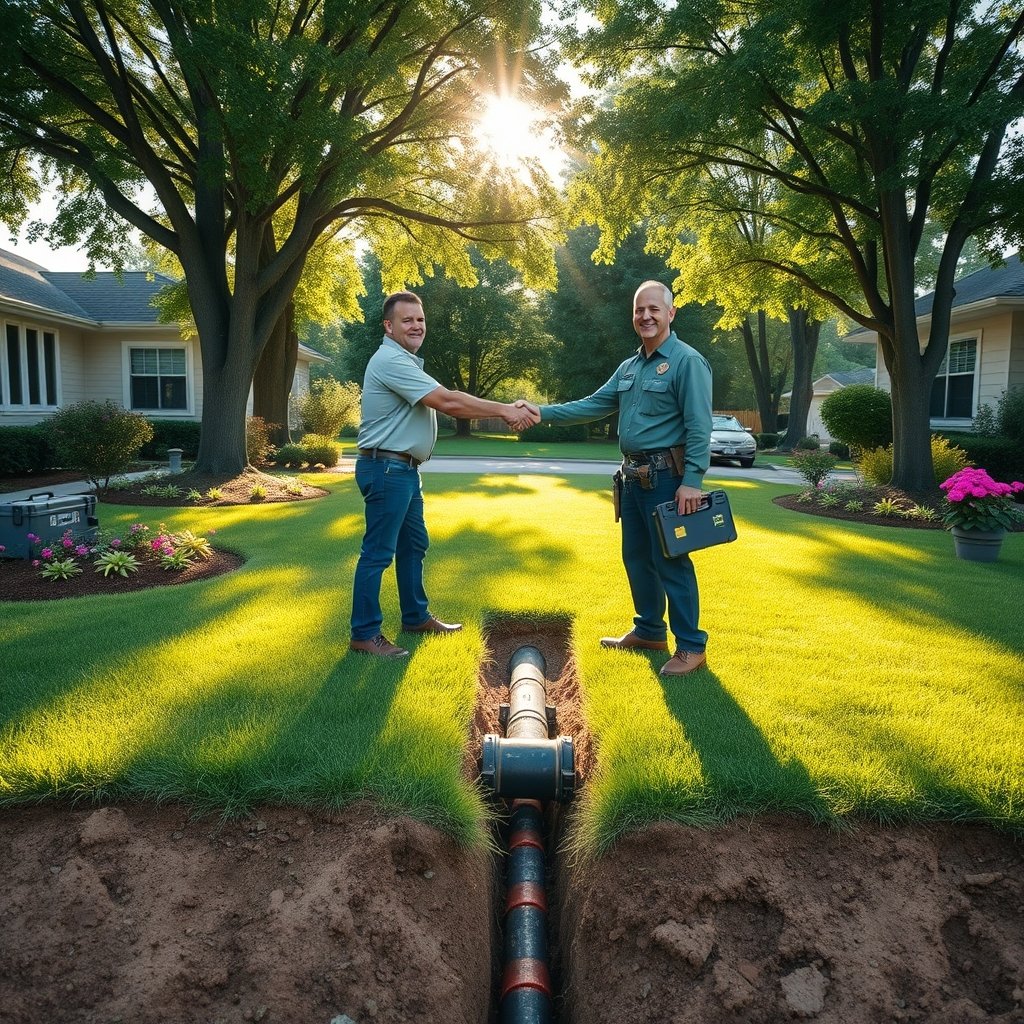
If you want roots in sewer line removal and to avoid repeat clogs for decades, it pays to focus on professional, trenchless solutions—not just repeated snake or chemical treatments. Here’s what actually works:
- Hydro-jetting and mechanical rotary cutting: Professionals use high-powered jets to blast away roots, followed by spinning blades to cut through large blockages. Effective as pre-treatment before structural fixes.
- Trenchless Cured-In-Place Pipe-Lining (CIPP): A flexible resin “sleeve” is inserted through the pipe and cured in place, sealing all cracks and blocking root reentry. Life expectancy: typically 20–50 years. Minimal digging, fast return to service. Warranties are common.
- Trenchless Pipe-Bursting: The old pipe is shattered and displaced while a new, seamless pipe is pulled through the same path. Eliminates all old leaks and root points. Lifespan: 30–50 years. Some lawn disruption at entry/exit pits.
- Full excavation: Unavoidable only if lines are totally collapsed, bellied, or crushed. Most modern homes qualify for trenchless solutions, saving $1,000s and days of mess.
Beware: Top competitor content often fails to mention these trenchless options. CIPP and pipe-bursting are pivotal long-term barrier solutions for tree roots in drain pipe, offering real protection with minimal yard mess. Check our trenchless pipe lining guide for details and tips to avoid upcharges.
Best-practice combined treatments and case studies we’ll show (what competitors skip)
Real-world repairs often require a layered approach. Here are clear, concise case studies that illustrate what works best and how costs/stretch between short and long-term results:
- Case Study 1: Suburban 1960s home with clay mainline, slow drains every 6 months.
Diagnostics: Video inspection revealed thick root mass at pipe joint 32 feet from cleanout.
Treatment: Hydro-jetting to clear roots, followed by foaming copper sulfate application.
Outcome: Flow restored. Roots regrew and partial blockage returned after 11 months; recommended CIPP lining.
Re-inspection interval: 10–12 months. - Case Study 2: Large rural property, mainline patched multiple times, frequent sewage backups.
Diagnostics: Camera showed pipe separations and root balls every 6–8 feet.
Treatment: Pipe-bursting replaced 58 feet of line. No roots or backups after 4 years.
Outcome: No repeat issues, one-time investment. Warranty issued for 25 years. - Case Study 3: Urban home, PVC line but severe failed connection.
Diagnostics: Lawn sinkhole and lush patches led to video confirmation.
Treatment: Spot repair and localized CIPP liner—hydro-jetting as prep.
Outcome: Problem solved, at one-third the cost of full replacement. Annual camera re-inspection recommended.
What’s key: While sewer root killer treatment helps thin root mass, real results come from combined hydro-jetting, targeted copper sulfate, and permanent structural fixes. Almost no competitor sites show this case-based progression or document re-occurrence rates after each solution (see more reasons in our post on best fixes for persistent clogged drains).
For a detailed look at high-pressure options and when to use hydro jetting over snaking, read our proven hydro jetting drain cleaning guide.
Preventive strategies that materially reduce repeat intrusions
Even after professional repairs, prevention matters. Here’s how to reduce future root intrusion sewer line cases:
- Install physical root barriers between trees and pipes—best done during new landscaping or pipe work.
- Follow a professional maintenance schedule. Many pros recommend annual or biennial camera checks for homes over 40 years old, especially near large trees.
- Choose root-resistant trees, and plant at least 20–30 feet away from main sewer lines. Avoid willows, poplars, and silver maples.
- Chemical root killer maintenance can help in low-risk cases, but expect re-application every 6–12 months—and only after confirming pipes have no cracks or misalignment.
Data-driven preventive root-barrier installations can dramatically reduce repeat intrusions, but are covered poorly on most competitor sites. For more on safe, ongoing maintenance, check our tips on enzymatic drain cleaner safety and root-friendly options.
If you regularly water or fertilize your lawn, know that overly wet soil encourages rapid root growth toward pipes—consider eco-friendly practices detailed in our organic fertilizer solutions guide.
How to vet and select a contractor for roots in sewer line removal
Choosing the right professional is as important as selecting the right repair. Use this checklist for roots in sewer line removal:
- Insist on a full video camera inspection before any work (with before/after footage for warranty claims)
- Ask if they provide trenchless CIPP and pipe-bursting options—not all plumbers have this capability
- Get all repair quotes in writing, with itemized breakdowns (inspect “hidden” fees like equipment charges)
- Confirm valid licensing, insurance, and local experience
- Request clear warranty details on relining or pipe replacement
- Ask for references or reviews for similar root intrusion jobs
- Avoid red flags: vague estimates, no camera offered, push for full excavation with no alternatives
Remember, a professional video inspection is the best way to confirm root intrusion and select the repair method that fits both your budget and needs [source]. For tech details on DIY camera systems and advanced locating, see our guide to sewer inspection cameras.
Quick FAQ + next steps (diagnosis booking CTA)
Will chemical root killer fix roots in drain pipe permanently?
No. Chemical treatments may provide temporary relief, but if the pipe is cracked or joints are open, roots will return until the structure is fixed. Chemicals are best used as a supplement, not a permanent repair.
How fast can professional help arrive once I call?
Most contractors provide camera inspections within 1–3 business days. Emergency hydro-jetting or snaking is often available sooner, but durable trenchless repair or relining requires site inspection and scheduling.
Is pipe relining or repair for root damage usually covered by homeowners insurance?
Most policies do not cover pipe repair due to root intrusion unless there is sudden, accidental damage. Check with your provider, and factor this into your decision about one-time vs. recurring treatments.
Will my yard get torn up during repairs?
With trenchless pipe lining or bursting, disruption is minimal—usually just two access holes. Full excavation requires digging the length of the line and major landscape restoration.
Should I keep using store-bought root killers between treatments?
After professional repair, routine use of chemical root killers is rarely needed if your pipes are sealed. For old systems with minor cracks left unrepaired, chemical maintenance every 6–12 months may help, but a permanent fix will eliminate this hassle—and its recurring cost.
In summary, if you’re battling tree roots in drain pipe over and over, long-lasting protection means accurate diagnosis, investment in trenchless repair, and ongoing maintenance—not just another round of chemicals. Book a professional camera inspection today to get a tailored action plan—and protect your home’s plumbing for the next decade.