

Smart drain monitor: It’s not just a gadget—it’s your first line of defense against expensive water damage and hidden clogs. In 2024, overlooking drain issues can cost you thousands, but many homeowners still hesitate to trust these devices. Let’s break through the skepticism and see exactly how a Smart drain monitor pays for itself, what to watch out for, and how to make the technology work for your household or rental property.
Key Takeaways
- Smart drain monitors can detect early clogs and leaks, saving homeowners an average of $200–$5,000+ in potential repairs.
- Many buyers skip these devices due to reliability and privacy fears—know what to check before you buy to avoid wasted money.
- Proper installation, offline capability, and understanding ongoing fees are critical to building trust and seeing real ROI.
- Why proactive drain monitoring matters now
- Step-by-step guide to getting true value out of a smart drain monitor
- Advanced analysis & common pitfalls: What most people miss
- Conclusion & next steps
- Smart drain monitor FAQs
Why proactive drain monitoring matters now
Most homeowners focus on drain repair only after a mess or backup occurs—but by then, it’s usually too late to avoid major bills. Nearly half of US homeowners now spend over $5,000 on unplanned repairs, with water damage and hidden leaks among the most expensive headaches[1]. Routine drain cleaning alone typically runs $100–$350 per incident, while hydro-jetting major blockages or sending a plumber for a $295–$350 camera inspection can spiral quickly[2].
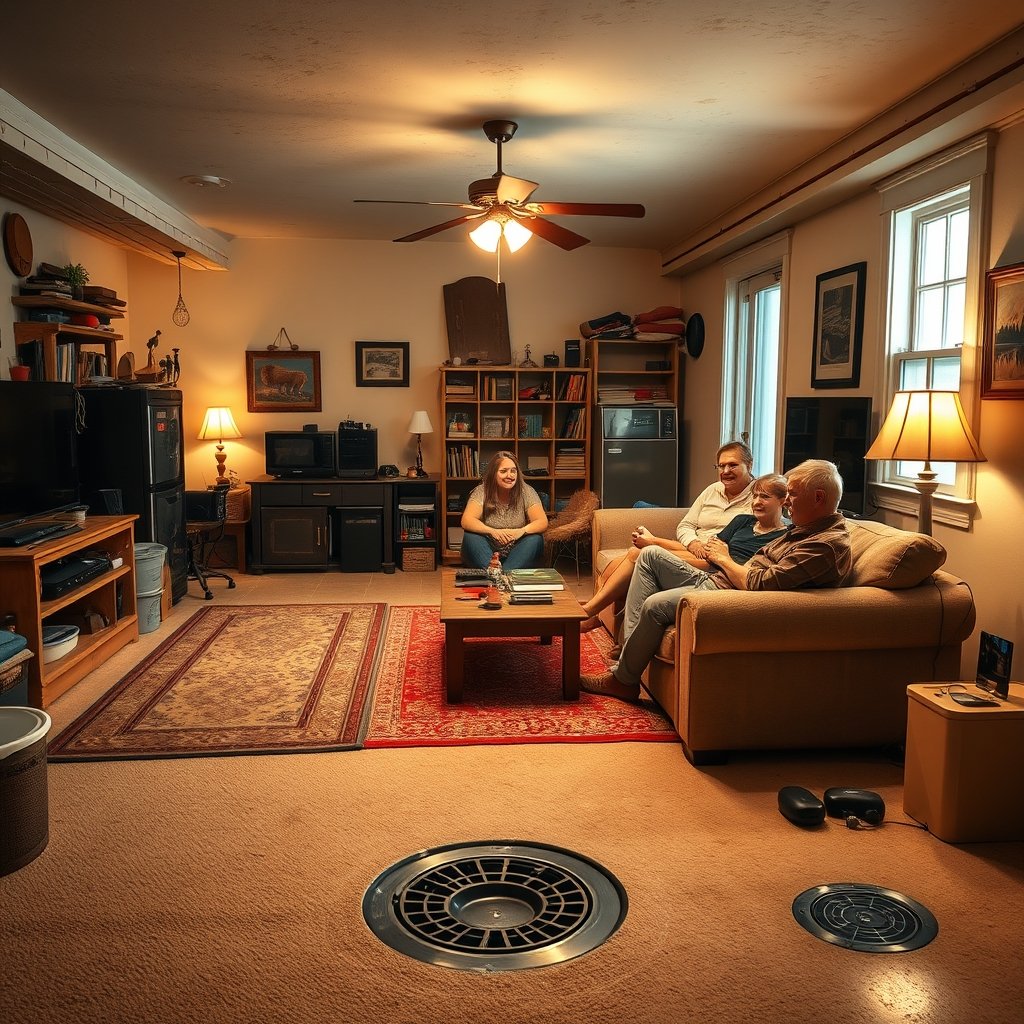
For property managers and landlords, one overflowing basement drain can quickly destroy drywall, flooring, and tenants’ trust. Proactive measures like installing a smart drain monitor or a dedicated leak detector for drains can spot slow clogs and warning signs so you intervene early—often before you notice any water at all.

Today’s best systems use drain water sensor technology to alert you the moment flow slows or abnormal pressure builds—often days to weeks before a true backup. Small repairs or cleaning now cost a fraction of waiting for a full-blown emergency.
Want more clog prevention ideas? Check these top drain fix products for homeowners.
Step-by-step guide to getting true value out of a smart drain monitor
Ready to make your home or rental smarter? Here’s exactly how to boost protection and savings using a smart home plumbing monitor—while avoiding common trust failures:
- Assess your plumbing “risk zones.” Identify high-threat drains: basement floors, kitchen sinks, laundry and main lines. Note areas with old pipes, frequent slowdowns, or past water damage.
- Select your technology:
- Drain water sensor pads: Cheapest, good for floor drains—detect standing water only (misses slow flow or clogs).
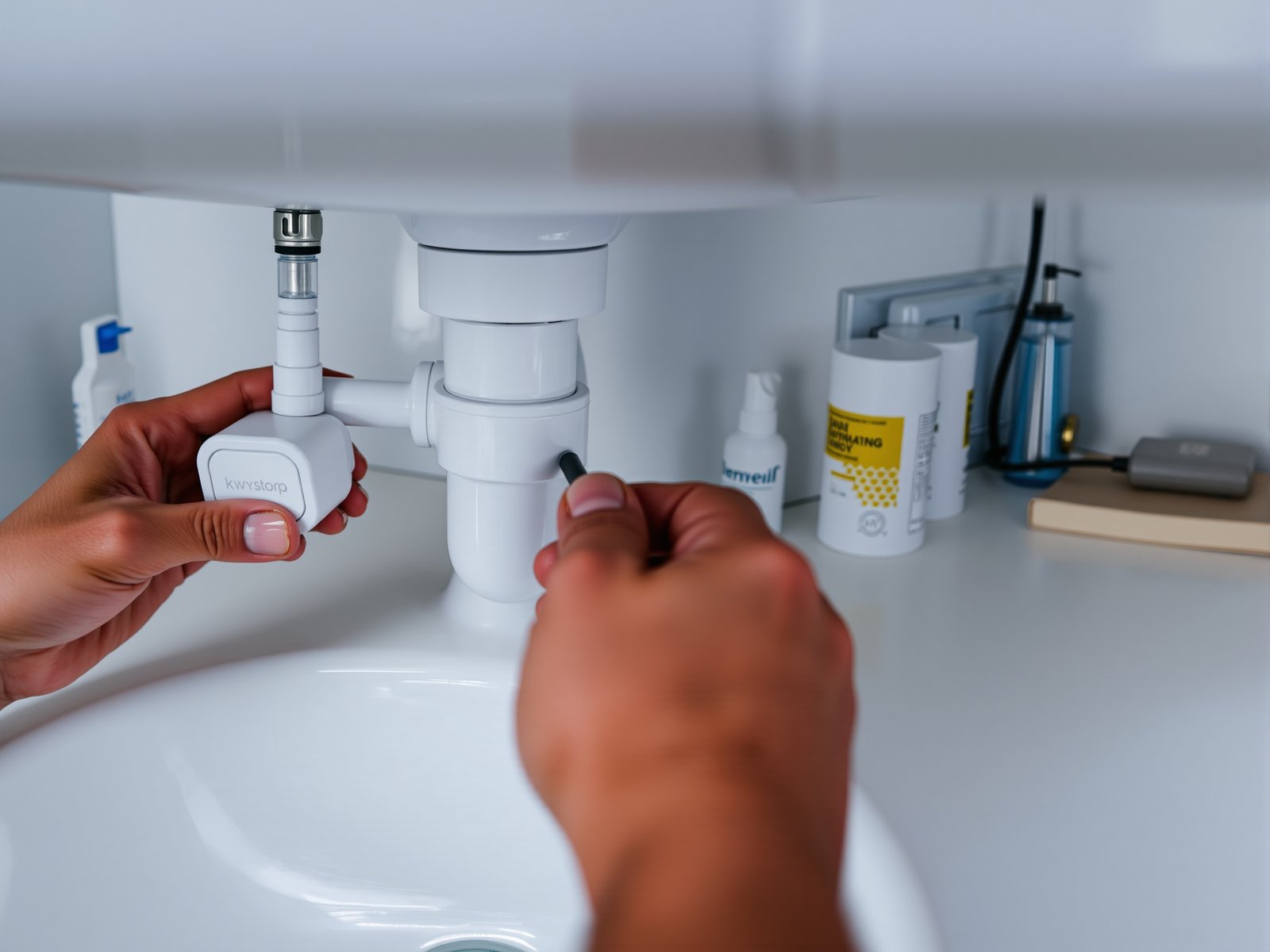
- Smart drain monitor (inline/flow-based): Installs under sink or at cleanout—analyzes water flow or pressure; best for early warnings.
- Camera-based/smart clog alert system: Pro-level, more costly—enables visual diagnostics for tricky or recurring problems.
- Check for offline/backup capability. Avoid devices that are Wi-Fi only. Look for models with battery backup, radio (Z-Wave/RF) support, or on-device alarms to prevent missed alerts during internet outages[3].
- Install sensors in the right place. Most DIY-friendly smart drain clog detectors mount to traps, under sinks, or onto floor drains. Whole-house units usually need pro install at the main line or meter—ask a plumber for complex jobs.
- Enable sensible alerts and test frequently. Set thresholds to avoid false positives—slow sinks don’t need the same alert as a main sewer blockage. Test monthly and after any plumbing change.
- Understand and track costs. Account for one-time device, install, and any ongoing subscription fees—see ROI example below.
For a full guide on simple fixes before sensor install, check out our clogged drain fixes every homeowner should know.
Advanced analysis & common pitfalls: What most people miss
Most homeowners skip smart drain monitors because of three main fears: reliability, privacy, and hidden costs. Here’s the real-world truth about each—and how to avoid the most common mistakes when choosing a smart drain monitor or clog alert system.
Common User Complaints & Technology Risks
| Feature or Failure | What Can Go Wrong | How To Avoid This Pitfall |
|---|---|---|
| Missed slow/minor clogs | Device fails to detect slow drainage, leading to sudden backups later | Pick models with flow-rate or pressure-analysis, not just standing water sensors |
| Wi-Fi Only Devices | Outages or router resets kill alerts, making the monitor useless | Choose units with offline alarm or radio frequency options |
| False Positives | Unnecessary alerts erode trust; you may stop reacting in time | Carefully set thresholds and consider devices with AI-driven filtering |
| Short Battery Life | Frequent recharging or dead units mean zero protection when it matters | Check for replaceable batteries, 2+ year life claims, or hardwired options |
| Hidden Subscription Costs | Unexpected cloud or alerting fees reduce ROI, some features locked behind paywall | Ask directly about all fees, and prioritize devices with strong local/offline features |
| Bad Integration/Setup | Clunky apps, awkward smart-home syncing, or false alarms with other devices | Review setup guides, look for prebuilt Alexa/HomeKit/Google integrations |
| Privacy Concerns | Some drain water sensors upload all usage patterns; cloud leaks possible | Choose products with transparent privacy policy, local data-only support if needed |
ROI Example: Is It Really Worth It?
Let’s run the numbers. Suppose you buy a smart drain monitor for $175, self-install (free), and skip recurring fees. If you catch just one moderate clog ($250–$450 for cleaning or hydro-jetting[4]) or avoid a $295–$350 camera inspection, you’ve instantly “broken even.” Even with one false alarm a year (say a $90 call-out), you’ll stay ahead unless alerts are frequent and untrustworthy.
Want to see a detailed itemized breakdown for your plumbing type? Start with our guide to fixing stubborn bathroom clogs—many of the same ROI principles apply.
Retrofit Checklist: Will It Work With My Pipes?
- Sensor Placement: Works best at P-traps, under sinks, at floor/subfloor drains, or existing cleanouts.
- Pipe Materials: Most smart drain clog detectors are compatible with PVC, copper, and (with adapters) cast iron. For galvanized pipes, check for specific hardware.
- Clearance/Access: Ensure 2-4 inches of clearance for sensor mounting. If you can’t access the trap or it’s behind cabinets, call a pro.
- DIY or Pro Install? Single-drain sensors are DIY-friendly. Whole-house monitors or integrations with main water shutoff typically require a pro, especially for older homes or multi-unit buildings.
- Gotcha: Always test for leaks after install—loose sensors can trigger false alarms and don’t protect against real issues.
Insurance and Data Security: Don’t Get Burned
While some insurers offer discounts for verified smart drain monitor installation, policies vary—always get written confirmation on accepted makes/models, what documentation is needed, and if your install impacts claims. For privacy, ask explicitly: “Is my drain flow data uploaded to the cloud, and can I opt-out?” Best-in-class devices offer end-to-end encryption and let you own or erase your data locally.
We break down AI, durability, and all key privacy gaps in our in-depth drain repair tech analysis.
If you’re ready for expert tips on choosing and using the best tools, see our recent review of hydro-jetter pressure washer attachments for serious DIYers.
Conclusion & next steps
If you want to stop expensive repairs before they start, a smart drain monitor can be one of the best insurance policies for your home—especially in older houses or rental properties. The core ROI is clear: spending $150–$300 pays back instantly if you avoid just one major clog. However, reliability, offline features, and honest disclosure on data and fees matter most for skeptical buyers.
Not sure where to start? Run the quick ROI template above, check compatibility with your existing plumbing, and trial a model that works even when Wi-Fi is down. Smart drain monitors are powerful—but only when you trust them to do their job.
Want personalized help or a comparison chart of the best-rated models? Get in touch for a quick audit or download our detailed comparison table.
Smart drain monitor FAQs
Will a smart drain monitor actually stop clogs from forming?
No device can prevent all clogs, but the right smart drain monitor or drain water sensor can alert you to slow drainage or rising water—giving you time to act before a full blockage or overflow causes damage.
Where should I place my sensors for the best results?
Under sinks at the trap, on laundry or basement floor drains, and at any cleanout or mainline access. Focus on areas with a history of slowdowns or water damage.
Do I have to pay a subscription for alerts or data logging?
Many entry-level models work without ongoing fees, but advanced cloud analysis, AI, or SMS/call alerts may require a subscription. Always check before buying and choose according to your budget and needs.
Are smart drain monitor alerts reliable?
Reliability depends heavily on device features. Wi-Fi-only devices can miss alerts during outages. Look for models with battery backup, radio frequency alerts, or local alarms to ensure 24/7 protection.
Can having a smart drain monitor reduce my homeowners insurance bill?
Some insurers may offer small discounts if you can document professional installation and provide supported device data. Always ask for their criteria before installing, as policies differ.