

Trenchless pipe lining is revolutionizing how homeowners and businesses repair aging or damaged sewer and water lines—without destruction or days of mess. This direct guide covers what matters most: how it works, real pros and cons, current market numbers, and actionable steps if you’re considering this modern pipe repair solution.
Key Takeaways
- Trenchless pipe lining offers minimal property disruption and fast pipe rehabilitation, with global markets surging past $6 billion in 2024.
- Up to 90% cost savings and 72-hour project timelines are reported compared to open-trench pipe replacement, but exact costs vary by region and pipe type.
- Most revenue comes from cured-in-place pipe (CIPP) for residential and urban lines—however, DIY isn’t possible, and some project factors can complicate results.
- What Is Trenchless Pipe Lining and Why Use It?
- How to Get Trenchless Pipe Lining Done: Step-by-Step
- Advanced Analysis & Common Pitfalls
- Conclusion
- Frequently Asked Questions
What Is Trenchless Pipe Lining and Why Use It?
Trenchless pipe lining is a modern method for repairing existing underground pipes without the need for full excavation. The pipe is fixed from the inside by inserting a flexible liner that hardens in place, restoring flow and preventing further leaks or failures. This technology is widely used for residential sewer lines, commercial plumbing mains, and municipal water or wastewater systems.

The main appeal is straightforward: trenchless pipe lining avoids digging up your yard, driveway, or floors. Instead of removing and replacing long sections of pipe, professionals rehabilitate pipe interiors with little surface disruption. This typically means jobs are completed in days, not weeks, and you avoid costly landscaping or structural repairs.
Industry growth is explosive. The global trenchless pipe relining market was valued at over $6.3 billion in 2024 and is expected to double by 2030. North America leads due to aging infrastructure and American government investment, especially in cities like New York, Los Angeles, and Chicago. Cured-in-place pipe (CIPP) accounts for more than 55% of all revenue, as noted in recent market analyses. Most projects focus on pipe sizes below 18 inches, covering a huge portion of residential, commercial, and public sewer lines.
Trenchless repairs are gaining popularity for drain, stormwater, and even potable water pipes. While bathroom clog fixes and classic DIY drain hacks are fine for minor issues, pipe lining is the durable fix for deeper damage.
How to Get Trenchless Pipe Lining Done: Step-by-Step
The trenchless process isn’t a “do it yourself” project—hiring an experienced, properly licensed contractor is essential. Here’s how a typical job unfolds:
- Non-destructive Pipe Inspection: Contractors begin by using a sewer inspection camera with sonde to check for root intrusions, breaks, and confirm pipe material and diameter.
- Pre-cleaning: The line is cleared of blockages and buildup, usually with hydro jetting or a heavy-duty drill-powered drain auger.
- Liner Preparation: A flexible, resin-saturated liner is custom-cut for your pipe’s size and length.
- Liner Insertion: The liner is inverted or pulled through the pipe using air or water pressure, so it fits snugly inside the host pipe.
- Curing Process: The resin is hardened in place using hot water, steam, or UV light, forming a new seamless “pipe within a pipe.”
- Final Inspection and Reinstatement: Contractors inspect the work and reinstate any previously connected branches or junctions.
- Cleanup: The area is restored, and the system is put back in service—often the same day or next morning.
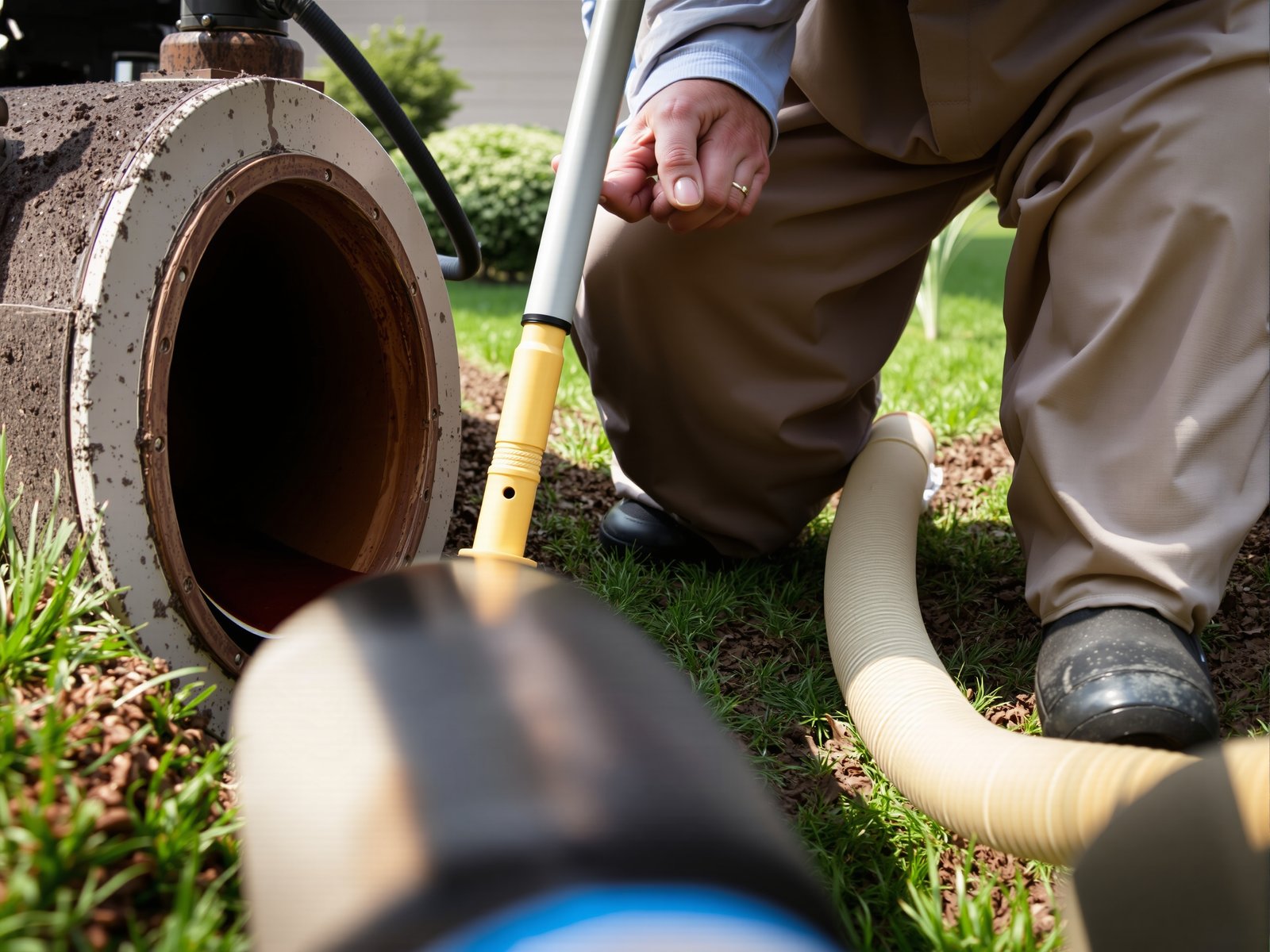
Most lining contractors provide clear estimates. If you’re comparing options, clarify if all permit fees and “reinstatements” of branch lines are included. Regional pricing, local permit requirements, and scheduling bottlenecks can make a big difference—especially in major cities where hydro jetting or full replacements are also in high demand.
Some homeowners supplement annual maintenance with enzymatic drain cleaning sticks or drain fix products after a relining, to extend the life of their investment and avoid tough clogs from returning.
Advanced Analysis & Common Pitfalls
No repair is perfect. While trenchless pipe lining offers significant benefits, there are real-world challenges and limitations you should know in advance:
- Exact Cost Estimates Can Be Vague: No standard price per foot is published for 2026. Factors like depth, access, pipe diameter, and regional labor rates all matter. While case studies claim 90% cost savings versus open-trench jobs, always get a line-item quote and clarify what’s included.
- Hidden Obstacles: Severe root intrusion, collapsed segments, heavy corrosion, or sags (“bellies”) in pipes can prevent liner installation. In rare cases, partial excavation or replacement is unavoidable.
- Short-Term Disruption: While finished in days, you’ll likely lose water or sewer service during installation and curing. Plan accordingly, especially in multi-family buildings.
- Dependence on Contractor Skill: Results are only as good as the contractor’s prep work. Poor pipe cleaning or rushed liner insertion risks failure down the road—always check references and request warranties in writing.
- Material Life & Technology Advances: There is no long-term data available for the latest CIPP liner resins introduced post-2022. Most claim lifespans of 40-50 years, but real-world testing continues as materials and curing methods change.
- Pipes with Non-Uniform Shapes: Heavily offset or deformed lines may not be eligible for trenchless relining, and some odd pipe materials require special order liners.
| Feature | Trenchless Pipe Lining | Traditional Excavation |
|---|---|---|
| Surface Disruption | Minimal (one or two small access points) | Extensive—entire yard, driveway, or floors dug up |
| Project Timelines | Typically 1–3 days | 1–2 weeks or more |
| Total Cost (Typical) | Case studies report up to 90% savings; real savings vary, clarify regional pricing | Higher due to excavation, landscaping, debris removal, and restoration |
| Pipe Types | Most common in clay, cast iron, PVC, concrete, Orangeburg (with cleaning) | Any material; replacement matches existing or upgrades to code |
| Risk Factors | Requires skilled install, thorough prep, some pipe types not eligible | Risks tied to heavy machinery, accidental utility strikes, prolonged disruption |
For greater detail on trenchless vs. traditional repair, and how to spot signs of failing pipes, review the practical steps in Clogged Drain Fixes Every Homeowner Should Know Today.

Conclusion
Trenchless pipe lining continues to reshape plumbing infrastructure repair. Its minimal disruption, faster completion, and broad market growth make it a top choice for modern pipe problems. Still, success hinges on the skill of your contractor, clarity in your project’s scope, and understanding the realistic pros and cons. When you want a lasting fix for your sewer or drain line, don’t settle for guesswork—get multiple qualified estimates and ask to see real-world project results.
Ready to explore trenchless pipe lining for your property? Get quotes fast from experienced local pros—protect your home or building and avoid unnecessary digging.
Frequently Asked Questions
How long does trenchless pipe lining really last?
Most trenchless pipe lining systems, including cured-in-place pipe (CIPP), claim 40 to 50 years of service life. However, exact lifespan depends on installation quality, resin and liner choice, and flow conditions. Advances since 2022 suggest longer durability but more real-world data is needed.
What factors affect the cost of trenchless pipe lining?
Pipe diameter, length, depth, location, and access all affect price. Permits, reinstatements of side connections, and regional contractor availability also impact costs. While up to 90% savings versus open-trench repairs are possible in some case studies, always insist on a detailed written estimate.
Will trenchless pipe lining work if my pipes are heavily corroded or cracked?
Lining can often rehabilitate pipes with moderate corrosion, cracks, or small holes. If a pipe has fully collapsed or large segments are missing, partial excavation or replacement may be needed before lining is installed.
Can I stay in my home during trenchless pipe lining work?
Yes, most jobs allow you to remain home, but water or sewer access may be interrupted for part or all of the day. Always discuss the schedule with your contractor if it’s a multi-day project so you can plan ahead.
How does trenchless lining compare to hydro jetting or snaking?
Hydro jetting and drain snaking remove blockages but do not repair or strengthen damaged pipes. Trenchless lining actually creates a new pipe within the old one, fixing leaks and significantly extending service life. Get more info on hydro jetting drain cleaning vs. lining in our detailed guide.